Soft Dog Shoes: Comfortable & Waterproof Options
author: Gigi
2026-10-21
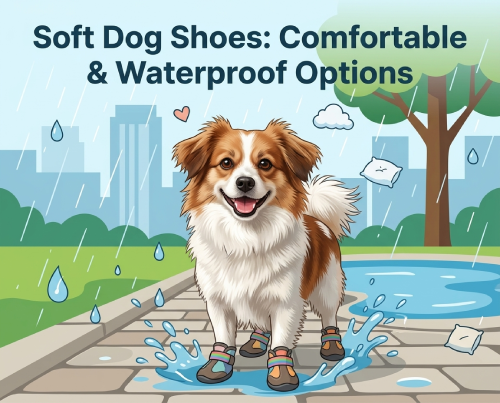
Soft dog shoes are designed to protect paws while allowing natural movement, making them a practical option for everyday walks, indoor use, and selected outdoor activities. However, softness alone does not guarantee comfort or protection. Buyers must also consider fit, breathability, sole flexibility, water resistance, and durability.
From flexible rubber outsoles to stretch-fabric uppers, material selection affects both the dog's wearing experience and the product's manufacturing cost.
Chapter 1. What Makes Soft Dog Shoes Comfortable and Suitable for Different Applications?
1. How Do Soft Shoes for Dogs Support Natural Paw Movement?
The main advantage of soft dog shoes is their ability to accommodate paw movement without creating unnecessary stiffness. Rigid footwear may provide structure, but it can feel restrictive when the sole does not flex with the dog's gait.
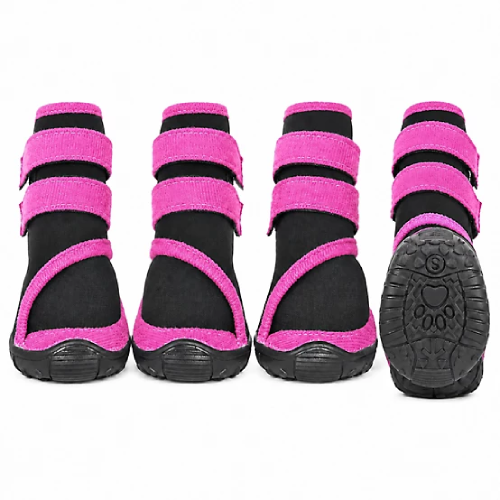
Well-designed soft shoes for dogs balance flexibility with sufficient protection. The upper should accommodate changes in paw shape during walking, while the sole provides suitable traction and abrasion resistance. Excess material, however, can wrinkle and cause friction, so softness must be combined with an appropriate pattern and secure fit.
Three material categories are particularly relevant: soft rubber, textile fabrics, and elastic fibers. Each serves a different purpose, and the best construction often combines materials rather than relying on one throughout the shoe.
2. Which Soft Materials Work Best for Dog Footwear?
Soft rubber is commonly used for flexible outsoles. Its performance depends on the rubber formulation, thickness, hardness, and tread pattern. A thinner sole generally bends more easily but may wear faster, while a thicker sole can improve abrasion resistance at the expense of flexibility.
Textile uppers, including mesh and woven fabrics, can reduce weight and improve ventilation. Their limitations include potential water absorption, fraying, and reduced protection against sharp debris. Coatings may improve water resistance, but they can also reduce breathability.
Elastic fibers help the upper conform to different paw shapes and make shoes easier to put on. However, excessive elasticity may reduce retention over time, especially if the material loses recovery after repeated stretching and washing.
For soft dog shoes, material selection should therefore reflect the intended use, expected wear frequency, and required level of environmental protection.
Chapter 2. Soft Waterproof Dog Shoes: How to Balance Comfort, Protection, and Water Resistance
1. Are Soft Waterproof Dog Shoes Suitable for Rainy Weather?
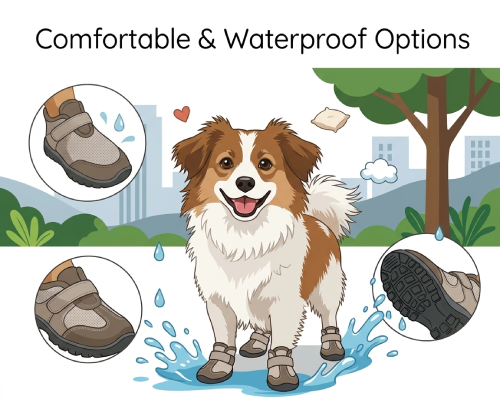
Soft waterproof dog shoes are designed to limit water penetration while maintaining enough flexibility for comfortable walking. However, waterproofing and breathability often involve trade-offs. A fully impermeable coating may keep external water out but can also trap heat and moisture inside the shoe.
For rainy conditions, buyers should evaluate the upper material, seam construction, sole connection, and opening design together. Water can enter through stitching holes, gaps around the ankle, or poorly bonded outsole edges, even when the main fabric is waterproof.
Soft waterproof dog shoes should also provide sufficient grip on wet surfaces. A flexible rubber sole with an appropriate tread pattern may improve traction, but softness alone does not guarantee slip resistance. Performance depends on the compound, tread geometry, and surface conditions.
2. How Can Buyers Choose Soft Dog Shoes for Summer and Winter?
Seasonal requirements influence the entire construction.
For summer, lightweight mesh and moisture-managing fabrics can improve airflow. Soft soles help preserve flexibility, but they must still offer adequate protection against abrasion and hot surfaces. Owners should avoid relying on footwear as a substitute for checking pavement temperatures.
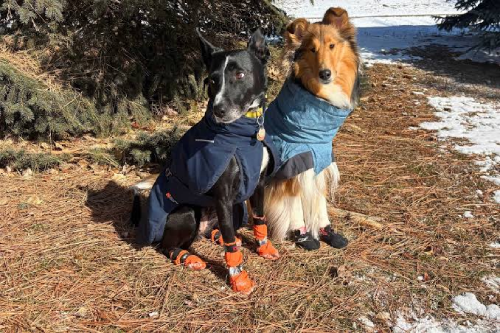
For winter, insulated linings and water-resistant outer materials may be more appropriate. However, thick linings can reduce the internal space available for the paw, making sizing particularly important.
Retailers should avoid presenting one design as suitable for every climate. A lightweight fabric shoe may work well for indoor use and mild weather but provide insufficient insulation or waterproofing for snow. Clearly defined product applications help customers choose more accurately and reduce complaints.
Chapter 3. How Are Soft Dog Shoes Manufactured, and What Can B2B Buyers Customize?
1. What Manufacturing Processes Improve Comfort and Durability?
Producing reliable soft dog shoes requires more than selecting a flexible material. Pattern development, cutting accuracy, stitching, sole attachment, and finishing all affect the final product.
First, manufacturers develop patterns according to the intended size range and shoe shape. Samples are then evaluated for paw entry, internal space, fastening position, and movement. Poor pattern proportions can cause pressure points even when every material is soft.
Next, the upper materials are cut and assembled. Stitch density, seam placement, and thread selection influence strength and comfort. Seams positioned against sensitive areas may create friction, while inconsistent cutting can lead to differences between nominally identical sizes.
The outsole is then attached through an appropriate bonding, molding, or stitching process, depending on the construction. Manufacturers should evaluate adhesion, repeated flexing, and edge separation. For water-resistant designs, seams and upper-to-sole connections require particular attention.
Quality control should include dimensional checks, visual inspection, closure testing, and appropriate durability assessments. Water-resistance claims should be supported by testing under defined conditions rather than inferred from the appearance of the material.
2. Which Customization Options Matter for Wholesale Soft Dog Shoes?
For B2B buyers, customization can help differentiate a product range without requiring every design to be developed from scratch. Depending on the manufacturer's capabilities, options may include:
- Material combinations, such as mesh uppers with flexible rubber soles.
- Different lining thicknesses, colors, and size ranges.
- Hook-and-loop closures, elastic openings, or alternative fastening systems.
- Customized logos, labels, retail packaging, and private-label presentation.
- Adjustments to outsole thickness, tread design, and water-resistant construction.
Before placing an order, buyers should confirm minimum order quantities, sample costs, tooling or development fees, production lead times, and packaging requirements. They should also clarify whether customized materials and dimensions can be maintained across repeat orders.
When evaluating soft shoes for dogs, procurement teams should request samples and assess flexibility, fit, stitching, closure performance, and material consistency. Total landed cost should include production, packaging, freight, and potential defect-related expenses rather than unit price alone.
Chapter 4. Soft Dog Shoes FAQ: Common Product Problems and Wholesale Solutions
Why Do Soft Dog Shoes Slip Off During Walking?
Slipping may result from incorrect sizing, an unsuitable opening shape, insufficient fastening, or excessive material stretch. Buyers should assess both paw dimensions and the shoe's internal proportions. Adjustable closures can improve retention, but overtightening may cause discomfort.
For retailers, clear measuring instructions and accurate size charts are essential. Suppliers should also explain how sizing is determined and whether different styles follow the same measurements.
Are Soft Waterproof Dog Shoes Completely Waterproof?
Not necessarily. Water resistance depends on the upper, seams, closure opening, and sole connection. Some designs resist splashes and damp ground but are not intended for prolonged immersion or deep water.
Wholesale buyers should ask suppliers to define the intended conditions and provide relevant test information. Precise product descriptions help prevent unrealistic expectations and avoidable returns.
How Can Manufacturers Make Soft Dog Shoes Durable Without Making Them Stiff?
The solution is to optimize material combinations rather than simply increasing thickness. A flexible upper can be paired with a wear-resistant outsole, while reinforcement can be added only to high-stress areas. Material compatibility and attachment methods must be validated through testing.
Manufacturers should also consider repeated bending, washing, stretching, and abrasion. A shoe that feels soft when new may lose elasticity or develop separation after repeated use.
What Should Retailers Check Before Buying Soft Dog Shoes in Bulk?
Evaluate sample fit, material recovery, outsole traction, seam quality, fastening strength, and suitability for the intended climate. Confirm the supplier's quality-control process, customization capabilities, MOQ, and defect-handling terms.
Soft dog shoes can offer strong product differentiation when comfort is supported by appropriate engineering. For retailers and distributors, the most effective sourcing strategy is to match materials and construction to customer needs, validate samples, and establish consistent specifications before scaling orders.
Contact Guangzhou Petsun to discuss your dog footwear requirements and request a wholesale quotation for bulk purchasing or customized soft dog shoes.
Best Dog Shoes for Summer: Top Picks and Wholesale Guide
Related Article
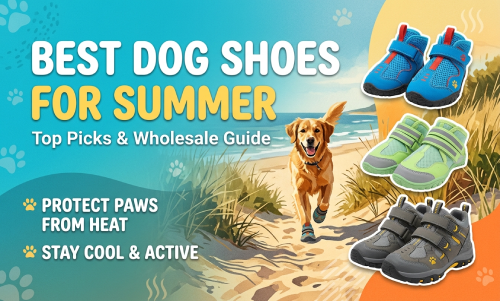
Explore the best dog shoes for summer, from breathable mesh to lightweight boots, with expert tips on wholesale pricing, OEM customization, sizing, and quality control. - Guangzhou Petsun
Best Dog Shoes for Summer: Top Picks and Wholesale Guide
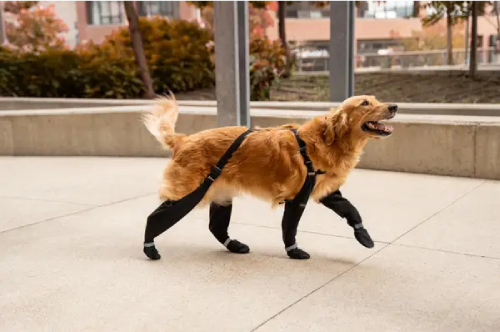
Let's find out best dog suspender boots which are secure fit for winter & snow today. Click and let's browse the information about best dog suspender boots for winter right now! | Guangzhou Petsun
Best Dog Suspender Boots: Secure Fit for Winter & Snow