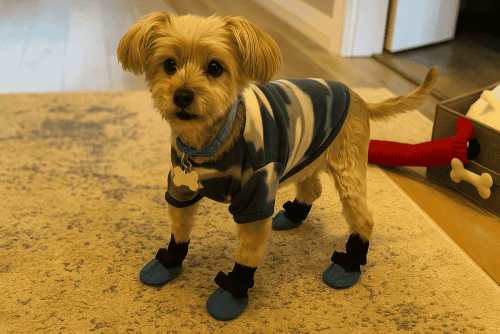
How Dog Shoes Are Manufactured: From Design to Wholesale Production
author: Gigi
2026-09-21
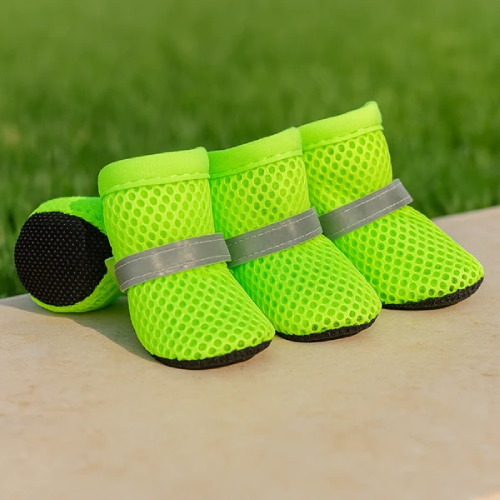
A finished dog shoe may look simple, but its performance depends on many connected decisions: pattern design, material selection, cutting accuracy, stitching, shaping, sole construction, fastening, finishing, and quality control.
But, how dog shoes are made? Why do similar-looking dog shoes have different prices? Which manufacturing steps affect durability? How can a private label product be customized without creating unnecessary production costs? And what should a buyer check before placing a wholesale order?
How Does Dog Shoe Manufacturing Start With Design and Product Development?
What happens before a dog shoe enters production?
A dog shoe manufacturer China first needs to understand the intended application. Indoor traction shoes, summer paw protectors, waterproof dog boots, hiking footwear, and everyday walking shoes require different materials and construction.
The design stage normally establishes the shoe shape, size range, upper materials, sole structure, closure system, stitching positions, and branding requirements. For B2B customers, this is also where product positioning is translated into technical specifications.
A common mistake is to provide only a reference image and expect the factory to reproduce the product. A workable specification should define measurable details such as material type, thickness, sole structure, dimensions, colors, logo placement, packaging, and tolerances.
Why are patterns and molds important in dog footwear production?
The pattern determines how flat material becomes a three-dimensional shoe. Small errors can affect symmetry, fitting, stitching alignment, and final appearance.
For different sizes, patterns must be scaled carefully rather than simply enlarged or reduced. Paw proportions do not always change at exactly the same rate across sizes.
Depending on construction, a dog boot factory may also use molds, lasts, or forming tools to establish the final three-dimensional shape. Tooling decisions can influence both development cost and future production consistency.
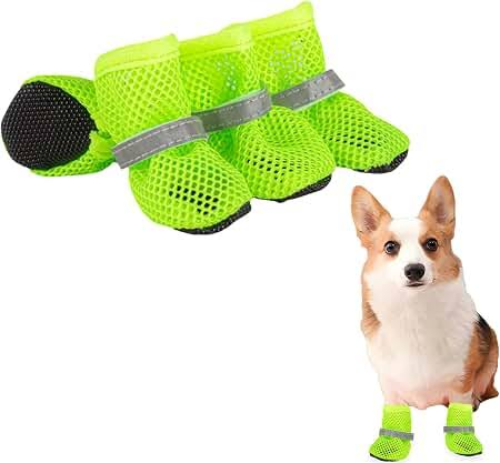
What Happens During Cutting, Sewing, and Dog Footwear Production?
How are materials prepared for mass production?
Common dog-footwear materials include mesh, textile, synthetic leather, rubber, EVA, PVC, and other polymer-based materials. Each has different characteristics in flexibility, abrasion resistance, water resistance, weight, and processing requirements.
During cutting, material is separated into individual components according to the approved patterns. Cutting accuracy matters because incorrectly sized pieces can create problems later during sewing and assembly.
For large orders, production efficiency also becomes important. Pattern nesting can reduce material waste, while standardized cutting procedures improve consistency between batches.
How are dog shoe uppers sewn together?
Panels are aligned according to the pattern and stitched using appropriate thread, needle size, stitch density, and machine settings. Areas exposed to greater pulling forces—such as straps, openings, and connection points—may require reinforcement.
This is one reason dog footwear production cannot be evaluated only by looking at the finished product. Two shoes can use similar materials but have different durability because their seam construction and reinforcement methods differ.
How does a factory form the shoe into its final shape?
Depending on construction, the upper may be positioned over a mold or form so that it achieves the required volume and shape. Heat, pressure, adhesives, or mechanical forming may be used according to the material and construction method.
This stage affects fit and appearance. Excessive heat can damage sensitive materials, while insufficient forming can create an unstable shape.
A capable dog shoe manufacturer China should therefore have defined process parameters rather than relying entirely on operator judgment.
How Are Soles, Closures, and Functional Components Added?
How is the outsole attached to a dog shoe?
The sole is one of the most important functional components because it determines traction, abrasion resistance, flexibility, and part of the shoe's protective performance.
Depending on the product design, the outsole may be bonded, molded, stitched, or produced through other construction methods. Some footwear manufacturing systems use direct injection, in which the sole is formed directly onto the prepared upper to create a strong connection.
For dog footwear, however, the best construction depends on the intended application. A lightweight indoor product does not necessarily require the same sole structure as an outdoor boot designed for rough terrain.
Why do closures matter so much in dog footwear?
Common closure systems include hook-and-loop straps, elastic openings, adjustable straps, and combinations of these structures. The appropriate design depends on the shoe's intended use and target dog size.
The closure must provide retention without excessive compression. If it is too loose, the shoe may rotate or fall off. If it is too tight, it can create discomfort and discourage use.
During sample testing, buyers should evaluate the shoe while the dog is standing, walking, turning, and moving at different speeds rather than checking the fit only when stationary.
What quality-control checkpoints should a dog boot factory use?
Incoming materials should be checked for color, thickness, dimensions, and visible defects. Cut components should be inspected for accuracy. Sewing should be checked for consistency and reinforcement. After forming and sole attachment, inspectors should examine bonding, symmetry, finishing, and overall appearance.
Functional testing is equally important. Depending on the product, this may include sole-flexing, abrasion, closure cycles, washing, water resistance, or adhesion checks.
For wholesale customers, pre-shipment inspection should confirm that the finished product matches the approved sample. This reduces the risk of receiving a large batch that differs from the development sample.
How Can B2B Brands Use Dog Shoe Manufacturing for Wholesale and Private Label?
What can entrepreneurs customize when working with a dog shoe manufacturer China?
B2B buyers can potentially customize materials, colors, sole patterns, straps, labels, sizes, packaging, instruction cards, and product combinations. More advanced projects can involve changes to the pattern, mold, outsole design, or complete product structure.
However, customization increases development complexity. New molds, special materials, unique packaging, and multiple colorways can increase tooling costs and minimum order requirements.
For startups, a better approach is often to begin with a focused product range. Testing a limited number of sizes and designs can provide market feedback before expanding the collection.
What should brands look for in a dog shoe manufacturer China?
A suitable dog shoe manufacturer China should be able to explain the production process, recommend appropriate materials, provide samples, control specifications during mass production, and communicate clearly about MOQ and lead times.
Guangzhou Petsun offers a relevant example of this dog shoe manufacturing model. Established in 1999 in China, the dog boot factory specializes in high quality pet shoes. Its main business focuses on the design, production, and wholesale of dog shoes, with an emphasis on quality, innovation, customer satisfaction, and environmental responsibility.
Industry FAQ: What are the biggest dog shoe manufacturing problems B2B buyers should avoid?
Why can two dog shoes with similar materials have very different quality?
Because construction quality depends on pattern accuracy, stitching, reinforcement, sole attachment, finishing, and process control—not material names alone.
Does a higher MOQ always mean better manufacturing quality?
No. MOQ is primarily a production and cost consideration. Quality depends on materials, processes, equipment, workmanship, and inspection standards.
Should startups develop completely new molds immediately?
Not always. Existing structures with controlled customization can reduce development costs and shorten the path to market. New tooling becomes more attractive when differentiation is commercially important.
What is the biggest sourcing mistake?
Approving a sample without establishing measurable production specifications. If the sample is the only reference, quality can become difficult to control during large-scale dog footwear production.
How can brands reduce production risk?
Use a documented product specification, approve pre-production samples, define quality checkpoints, and inspect the finished batch before shipment.
Guangzhou Petsun, a dog boot factory, combines dog-shoe design, production, and wholesale experience and can support brands exploring customized product development, private-label footwear, and larger-scale purchasing.
If you are planning a new dog footwear line, start by defining the target dog, application scenario, material requirements, size range, price position, and customization needs. A clear dog shoe manufacturing brief gives the dog shoe manufacturer China a much stronger foundation for sampling and dog footwear production—and gives the brand a better chance of building a reliable product category.
How to Start a Wholesale Dog Shoe Business