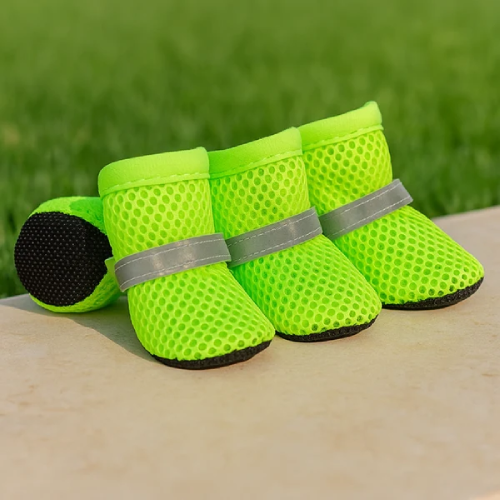
How to Start a Wholesale Dog Shoe Business
author: Gigi
2026-09-18
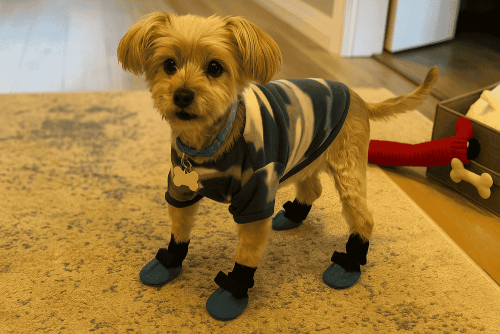
It’s seems simple to start dog shoe business: find a supplier, buy products in bulk, and sell them to pet stores or online retailers. In practice, wholesale pet footwear is more complicated. Buyers must manage multiple sizes, seasonal demand, product fit, material performance, inventory turnover, and supplier reliability.
The wholesale dog shoes frequently focus on questions such as where to find a reliable dog boot wholesale supplier, what types of dog shoes to stock, how much inventory to purchase, and whether private-label production is practical. These questions point to the real challenge: the business is not simply about selling dog shoes. It is about building a product and supply system that can respond to different dogs, markets, and sales channels.
Chapter 1: How Should You Position a Wholesale Dog Shoes Business Before Buying Inventory?
The first decision is not which dog boot wholesale supplier to contact. It is which customer problem your business will solve.
Bulk dog shoes can serve very different purposes, including paw protection from hot pavement, winter protection, rain and mud resistance, outdoor hiking, injury protection, indoor traction, and general fashion. Trying to cover every application at the beginning can create an unnecessarily large SKU portfolio.
A better approach is to select one primary market and build a focused product range around it.
What product categories should a new dog shoe wholesale business carry?
A practical starting assortment can include three layers:
Core products: everyday dog shoes with simple construction and broad market appeal.
Functional products: waterproof, winter, anti-slip, reflective, outdoor, or protective designs.
Premium products: improved materials, specialized construction, stronger packaging, or private-label positioning.
The objective is not to maximize the number of designs. It is to create a product ladder that gives retailers different price and application options.
Sizing deserves particular attention. A four-piece dog shoe set is not automatically a successful product simply because the shoes fit the stated size range. Paw width, paw length, closure position, sole flexibility, and the dog's walking behavior can all affect actual fit.
Therefore, when developing a wholesale dog shoes range, suppliers should provide clear measurement instructions and consistent size specifications. A retailer needs more than “small, medium, and large”; it needs a repeatable sizing system that reduces customer returns.
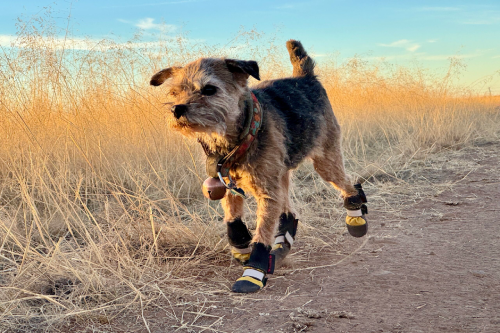
Chapter 2: How Do You Choose a Reliable Dog Boot Wholesale Supplier?
Supplier selection is one of the most important decisions when entering the market. Online marketplaces can show hundreds of wholesale dog shoes, but low purchase prices alone do not indicate a suitable long-term supplier. Current dog boot wholesale supplier listings show significant variation in MOQ, product construction, customization options, and production positioning, which means buyers need to evaluate suppliers against their own business model rather than simply choosing the cheapest quotation.
What should you ask a dog boot wholesale supplier before placing an order?
Start with five areas.
Product consistency. Ask whether the same materials, sole construction, dimensions, and stitching standards can be maintained across repeat orders.
Sizing and technical specifications. Request complete size measurements, material specifications, sole information, fastening methods, and packaging details.
MOQ and production flexibility. MOQ varies substantially between suppliers and products. Some listings offer very low minimum quantities, while factory-oriented products may require hundreds or even thousands of units.
Quality control. Ask how incoming materials, cutting, stitching, forming, sole attachment, finishing, and final packing are inspected.
Customization capability. If the long-term objective is private labeling, determine whether the supplier can support customized colors, logos, packaging, sizing, and product development instead of simply relabeling existing stock.
A useful dog boot wholesale supplier evaluation process is to request samples first, test them under realistic conditions, then place a small commercial order before increasing volume.
Guangzhou PETSUN is one example of a dog boot wholesale supplier positioned around this model. For a B2B buyer, the more relevant point is the combination of product development, manufacturing, and wholesale capability rather than simply the number of available designs.
Chapter 3: How Can You Control Bulk Dog Shoes Inventory and Protect Cash Flow?
Inventory is where many new wholesale businesses underestimate risk.
Buying larger quantities can reduce unit costs, but bulk dog shoes only create value when they sell at a reasonable rate. Dog footwear contains multiple sizes, colors, styles, and seasonal variations. A large order can therefore create slow-moving inventory much faster than a single-SKU product.
How much inventory should a new wholesale dog shoe business buy?
Instead of starting with maximum volume, calculate inventory from expected sales.
A basic approach is:
Required inventory = expected sales during replenishment period + safety stock − existing inventory
The important variable is not only monthly sales. It is the sales distribution between sizes and products.
Suppose one design sells well overall, but 60% of demand comes from two sizes. Ordering identical quantities across every size will create an artificial shortage in popular sizes and excess inventory in unpopular ones.
Should you choose low MOQ or large volume wholesale orders?
Low MOQ is useful during market validation because it reduces inventory exposure. Large volume purchasing becomes more attractive after sales data confirms which products and sizes perform consistently.
The goal is not to obtain the lowest possible factory price. It is to achieve the best landed cost-to-sell-through relationship.
A product that costs slightly more but has better quality, fewer returns, stronger repeat orders, and faster turnover can be more profitable than a cheaper product with high defect or return rates.
Chapter 4: How Can You Build Sales Channels and Market Wholesale Dog Shoes?
A wholesale dog shoe business can target pet stores, regional distributors, online pet retailers, grooming businesses, veterinary-related retailers, outdoor pet brands, and e-commerce sellers.
The strongest channel depends on your positioning.
A distributor may prioritize competitive pricing, stable supply, and mixed-SKU purchasing. A private-label retailer may care more about packaging, branding, exclusivity, and product development. An online seller may prioritize photography, product differentiation, fast replenishment, and low return rates.
How should a new business market wholesale dog shoes?
Avoid relying entirely on product photos and price lists. B2B buyers need information that helps them decide whether the product is commercially viable.
Useful marketing content includes:
Product application guides: Explain which dog shoes are suitable for rain, snow, hot pavement, hiking, or everyday walking.
Sizing education: Show how retailers can measure paws and reduce size-related returns.
Material comparisons: Explain the differences between mesh, PU, rubber, textile, waterproof materials, and different sole constructions.
Manufacturing content: Demonstrate cutting, sewing, forming, inspection, packaging, and product testing.
Business cases: Show how a retailer or distributor can structure a product range instead of simply displaying individual products.
Supplier transparency: Explain MOQ, customization processes, sample development, production lead times, packaging, and quality-control procedures.
For dog boot wholesale supplier such as Guangzhou PETSUN, manufacturing-oriented content can also demonstrate why product development and production experience matter to wholesale buyers. Established in 1999, Guangzhou PETSUN combines dog shoe design, production, and wholesale, providing a useful example of how a supplier can participate in the broader B2B supply chain rather than functioning only as a product reseller.
What are the biggest mistakes when starting a wholesale dog shoe business?
The most common mistake is treating dog shoes as a generic pet accessory.
The product has direct contact with an animal's paws, so fit, comfort, fastening security, sole performance, material selection, and durability can directly influence customer satisfaction.
Another mistake is expanding the SKU range too quickly. More products do not necessarily mean more sales. They often mean more inventory, more purchasing complexity, and more capital tied up in slow-moving items.
FAQ: What B2B Buyers Should Know Before Entering Dog Footwear
Is wholesale dog shoes a profitable business?
It can be, but profitability depends on product positioning, inventory turnover, landed cost, channel margin, and repeat purchasing. A low factory price does not guarantee a high business margin.
Is it better to buy ready-made dog shoes or develop private-label products?
Ready-made products are usually more practical for market testing. Private labeling becomes more attractive after the buyer understands its target customers, best-selling sizes, preferred materials, and acceptable price range.
How do I find a good dog shoe wholesale supplier?
Evaluate samples, manufacturing capability, MOQ, quality-control procedures, sizing consistency, customization capability, communication, packaging, and repeat-order reliability. Do not judge suppliers only by catalog price.
What is the biggest inventory problem in bulk dog shoes?
Size imbalance. A product can have strong overall sales while several sizes remain slow-moving. Inventory planning should therefore be based on SKU-level sales data rather than total units alone.
How important is product customization?
Customization becomes increasingly important when competing in mature markets. Custom colors, packaging, branding, sizing, or functional features can help a retailer avoid direct price competition with generic products.
What should a new B2B buyer test before placing a large order?
Test fit, fastening, sole grip, material durability, stitching, comfort, packaging, size consistency, and performance under the conditions the product is designed for. Commercial testing should happen before large-scale inventory investment.
How Dog Shoes Are Manufactured: From Design to Wholesale Production