Dog Shoe Design and Development Process
author: Gigi
2026-11-28
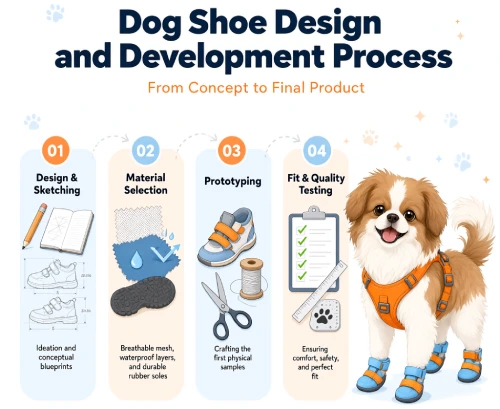
Developing a successful dog shoe involves much more than creating an attractive appearance. A professional dog shoe design process transforms market requirements into a product that can be consistently manufactured and comfortably worn by dogs. From identifying consumer trends and developing initial sketches to 3D modeling, physical sampling, and fit testing, every stage influences the final product's quality and market acceptance.
1. How Does Market Trend Analysis Shape the Dog Shoe Design Process?
Before developing a new product, manufacturers and brands need to understand what customers actually expect from dog footwear. Market research establishes the functional requirements, product positioning, and dog footwear design direction.
1.1 What Market Trends Should B2B Buyers Consider?
Several factors are influencing modern dog footwear design:
- Seasonal protection: Demand for breathable summer dog shoes, waterproof rain boots, and insulated winter footwear reflects different climatic requirements.
- Paw protection: Products designed to protect paws from hot pavement, rough surfaces, snow, ice, and road debris remain important product categories.
- Comfort and ergonomics: Lightweight construction, flexible soles, and adjustable closures are increasingly important for everyday use.
- Fashion and personalization: Color combinations, decorative details, and coordinated pet accessories create opportunities for differentiated product collections.
- Breed-specific requirements: Different paw shapes, body sizes, and activity levels require different sizing and construction approaches.
1.2 How Do Manufacturers Translate Market Demand into Product Specifications?
A practical product brief should define the intended dog size range, usage environment, target retail price, material preferences, sole requirements, closure system, and expected order quantity.
These requirements form the foundation of the dog shoe design process. They also help designers evaluate whether an existing product platform can be modified or whether an entirely new structure is necessary.
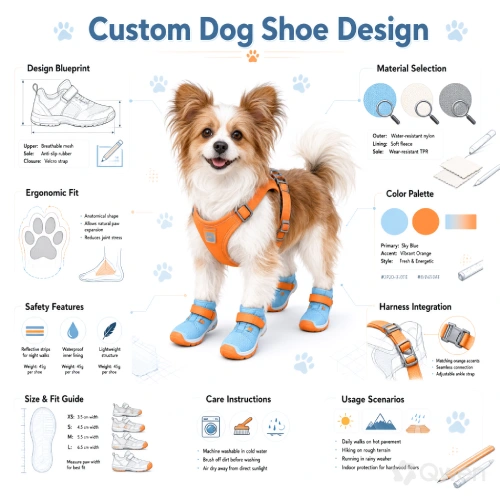
2. How Do Sketch Design and 3D Modeling Turn Ideas into Technical Custom Dog Shoe Design?
Once the product direction is confirmed, designers begin translating commercial requirements into visual and technical specifications.
2.1 How Are Initial Dog Footwear Sketches Developed?
The sketching stage explores the shoe's silhouette, proportions, construction, and functional details.
A professional dog footwear design team should consider several structural elements:
- Upper: Mesh, nylon, polyester, or other materials selected according to breathability, flexibility, and environmental exposure.
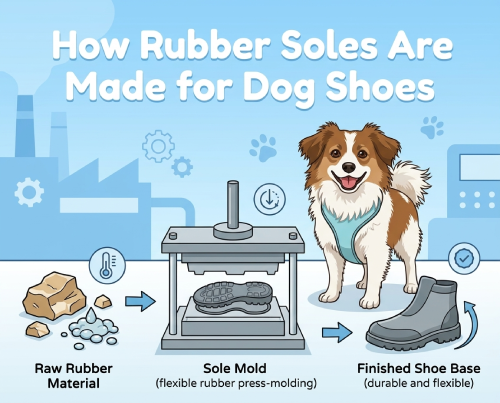
- Outsole: Rubber or other suitable compounds designed around traction, abrasion resistance, and flexibility.
- Lining: Soft, skin-contact materials that help reduce friction and improve wearing comfort.
- Closure system: Hook-and-loop straps, zippers, or elastic openings that balance secure fitting with ease of use.
- Reinforcement: Additional protection around the toe, heel, and high-wear areas.
Designers must also consider how these components interact. A thicker outsole may improve ground protection but increase weight and reduce flexibility. A wider opening may simplify putting shoes on but create a greater risk of slipping if the fastening structure is inadequate.
The objective of custom dog shoe design is therefore not simply visual differentiation. It is to balance appearance, functionality, comfort, and production feasibility.
2.2 Why Is 3D Modeling Important in Dog Boot Development?
After sketch approval, designers convert the concept into digital models and technical drawings.
3D modeling helps evaluate:
- Overall shoe proportions and structural appearance.
- Upper and outsole alignment.
- Material placement and component relationships.
- Closure positioning and reinforcement areas.
- Logo placement and color combinations.
However, dog paws are not identical to human feet. Their shape, toe arrangement, and weight distribution create specific fitting challenges.
2.3 What Technical Information Should a Dog Shoe Design Team Prepare?
| Development element | Key specifications | Purpose |
| Upper pattern | Material, dimensions, seam positions | Ensure structural consistency |
| Outsole | Material, thickness, tread pattern | Improve traction and protection |
| Closure | Strap length, fastening position | Reduce slipping |
| Lining | Material, thickness, contact surface | Improve comfort |
| Size specification | Paw length, width, opening circumference | Support accurate fitting |
| Branding | Logo size, position, labels | Maintain brand consistency |
A complete technical package makes communication between designers, sample makers, and production teams more efficient.
3. How Do Prototyping and Fit Testing Improve Dog Shoe Development?
A digital dog footwear design may look correct, but the physical product can reveal problems that cannot be identified through drawings alone. Prototyping is therefore a critical validation stage.
3.1 How Is the First Dog Shoe Prototype Made?
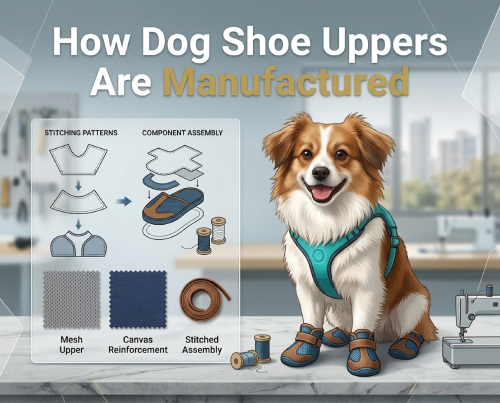
The sample making dog shoe design process generally involves material preparation, pattern cutting, sewing, component assembly, and outsole attachment.
The first sample should prioritize structural feasibility rather than cosmetic perfection.
During dog boot development, manufacturers should evaluate:
- Whether the upper maintains its intended shape.
- Whether seams create uncomfortable pressure points.
- Whether the outsole bends naturally during movement.
- Whether the closure system holds the shoe securely.
- Whether the materials can withstand repeated movement and contact with different surfaces.
3.2 How Should Dog Shoe Fit Testing Be Conducted?
Fit testing is one of the most technically demanding stages of dog footwear design.
Unlike human footwear, dog shoes must accommodate four paws that may differ in size, as well as variations in paw shape between breeds.
A structured fitting evaluation should include:
1. Static fitting: Check paw length, width, toe clearance, opening circumference, and overall contact pressure.
2. Walking evaluation: Observe whether the shoes rotate, slide down, or restrict natural movement.
3. Dynamic testing: Evaluate the shoe during turning, running, and changes in direction.
4. Surface testing: Assess grip, outsole stability, and material performance on relevant surfaces.
5. Repeated-wear evaluation: Check seam strength, fastening durability, abrasion, and material deformation.
3.3 What Common Problems Require Design Adjustments?
| Common problem | Possible technical cause | Recommended adjustment |
| Shoes fall off | Incorrect opening or fastening structure | Adjust strap position and circumference |
| Paw discomfort | Insufficient toe space or internal friction | Modify pattern and lining |
| Sole feels too stiff | Excessive thickness or unsuitable compound | Reassess sole material and geometry |
| Shoes rotate during walking | Poor upper-to-paw fit | Improve structural support |
| Seams tear easily | Incorrect stitch density or reinforcement | Optimize stitching and stress points |
Each fitting round should produce documented feedback, including photographs, measurements, test observations, and specific modification instructions.
This makes the dog shoe design process more systematic and reduces repeated sampling caused by unclear feedback.
4. How Does Custom Dog Shoe Design Move from Approved Samples to Mass Production?
A successful prototype does not automatically guarantee a successful commercial product. Before production begins, manufacturers must confirm that the custom dog shoe design can be reproduced consistently at the required quality and cost.
4.1 What Must Be Confirmed Before Mass Production?
The final dog boot development stage involves several important activities:
- Sample approval: Confirm the final appearance, materials, dimensions, and construction.
- Size grading: Develop appropriate specifications across the target size range and verify that proportions remain suitable.
- Material confirmation: Lock down material types, colors, thicknesses, and supplier specifications.
- Production evaluation: Review cutting efficiency, sewing procedures, assembly methods, and potential quality risks.
- Quality control: Establish inspection criteria for stitching, sole attachment, dimensions, appearance, and fastening performance.
4.2 How Does a Professional Design Team Support Customization?
A qualified custom dog shoe design team should combine creative design capabilities with practical manufacturing knowledge.
Its professional capabilities generally include:
1. Market-oriented product research and concept dog boot development.
2. Structural dog footwear design and material selection.
3. Pattern dog boot development and sample evaluation.
4. Fit adjustment and technical problem-solving.
5. Production coordination and quality standardization.
4.3 What Is the Typical OEM/ODM Customization Process?
A structured cooperation dog shoe design process generally follows these steps:
Requirement communication → Design confirmation → Sampling and quotation → Sample evaluation → Design adjustment → Order confirmation → Mass production → Quality inspection and delivery.
Petsun's published customization service includes dog footwear design development, sampling, branding, and packaging. Its existing-model customization and new dog boot development options provide different routes depending on the buyer's requirements.
5. FAQ: Common Questions About Dog Shoe Design and Development
Q1: How long does it take to develop a custom dog shoe?
The timeline depends on dog footwear design complexity, material availability, tooling requirements, and the number of sample revisions. Petsun indicates a typical sampling period of 7–14 days for its customization services. Projects requiring new structures or molds may need additional dog boot development time.
Q2: Why do dog shoes frequently fall off even when the size appears correct?
Shoe retention depends on more than overall length. Paw width, ankle circumference, opening geometry, strap positioning, and upper flexibility all influence stability. A shoe can match paw length but still slip if its fastening system cannot accommodate the dog's anatomical shape.
Q3: Should brands choose existing models or develop completely new dog shoes?
Existing-model customization is generally more suitable for buyers who want to adjust materials, colors, logos, or sole characteristics while controlling dog boot development costs. New-product development is preferable when a brand requires unique construction, specialized sizing, or proprietary designs.
Q4: How can buyers reduce repeated sampling costs?
Provide clear product requirements, reference images, target dimensions, material preferences, and intended applications before dog boot development begins. After each sample round, consolidate feedback into measurable modification instructions. This reduces misunderstandings and unnecessary revisions.
Q5: What should B2B buyers evaluate when selecting a dog shoe manufacturer?
Look beyond sample appearance. Evaluate the manufacturer's dog footwear design experience, pattern development capabilities, material knowledge, fitting evaluation methods, production consistency, and ability to translate approved samples into repeatable bulk orders.
Guangzhou Petsun welcomes discussions about OEM/ODM dog footwear design cooperation, existing style customization, and new dog shoe development.