Do Dogs Need Shoes Guide for Dog Owners
However, not every dog needs footwear every day. Whether dogs should wear shoes depends on the weather, walking surface, breed, age, activity level, and individual paw sensitivity. Understanding when dog shoes are beneficial and when they may be unnecessary helps owners make better decisions about their pets' well-being.
For pet product wholesalers, retailers, and distributors, this question also represents an important commercial opportunity. As more pet owners seek specialized protective products, understanding real customer needs can help businesses develop a more effective dog footwear assortment. Guangzhou Petsun, a pet footwear supplier, offers a range of products and customization services that businesses can explore when developing their own pet footwear collections.
Do Dogs Really Need Shoes in Everyday Life?
Do Dogs Naturally Have Enough Protection Without Wearing Shoes?
Dogs have paw pads that provide cushioning, traction, and a certain degree of protection against ordinary walking surfaces. Under normal conditions, many healthy dogs can walk comfortably without shoes. Their paws are naturally adapted to outdoor movement, and regular activity helps maintain paw strength and conditioning.
However, natural protection has its limits. Paw pads can become irritated by excessively hot pavement, damaged by sharp objects, or uncomfortable when exposed to freezing temperatures, ice, and road salt. Dogs that regularly walk on rough terrain or participate in outdoor activities may also benefit from additional protection.
The important point is that dog shoes should serve a specific purpose rather than becoming an unnecessary accessory. Owners should evaluate their dog's environment and physical condition before deciding whether footwear is appropriate.
Should My Dog Wear Shoes for Regular Daily Walks?
For ordinary walks on grass, dirt paths, and comfortable pavement in moderate weather, most dogs do not need shoes. If the dog walks naturally, shows no signs of paw discomfort, and has healthy paw pads, footwear may not provide any meaningful additional benefit.
Nevertheless, daily walking conditions can change. A route that is comfortable in the morning may become dangerously hot in the afternoon. Construction debris, broken glass, or seasonal weather can also create risks. Owners should evaluate the walking environment instead of assuming that the same footwear decision applies every day.
For pet retailers, this distinction is important when communicating with customers. Dog shoes should be positioned as practical protective products for specific needs, not as something every dog must wear constantly. Honest recommendations help build trust and encourage customers to select products that genuinely benefit their pets.
Can Dogs Wear Shoes Even If They Do Not Have Paw Problems?
Yes. Dogs can wear properly fitted shoes even when their paws are healthy, provided the footwear is suitable for the activity and does not restrict natural movement. Some owners choose shoes to protect their dogs during hiking, travel, or outdoor recreation.
However, wearing shoes should not be treated as a substitute for monitoring paw health. Owners still need to inspect their dogs' paws, maintain appropriate nail length, and ensure that the footwear is comfortable. If a dog consistently resists wearing shoes, the owner should reconsider the fit, design, and actual need for protection.
When Do Dogs Need Shoes in Hot Weather?
Should Dogs Wear Shoes on Hot Pavement?
Hot pavement is one of the most important situations in which dog shoes may be necessary. Asphalt, concrete, and other urban surfaces can absorb considerable heat during sunny weather. Even when the air temperature feels manageable to people, the ground may become uncomfortable or unsafe for a dog's paws.
Hot surfaces can cause paw pad irritation and burns. Owners should avoid walking during the hottest hours, seek shaded routes, and check the surface temperature before allowing their dogs to walk on it. Protective dog shoes can provide an additional barrier when walking on warm or hot surfaces is unavoidable, but they should not be used to justify prolonged exposure to extreme heat.
For businesses, summer dog footwear is a product category with clear seasonal demand. Lightweight construction, breathable materials, and protective soles are important features to consider when selecting products for warm-weather customers.
Do Dogs Need Boots for Hiking and Rough Outdoor Trails?
Dogs that accompany their owners on hiking trips may encounter rocks, gravel, thorny plants, rough terrain, and other potentially damaging surfaces. Although many dogs can handle moderate trails without footwear, repeated exposure to rough ground may increase the risk of paw irritation or injury.
Dog boots can provide an additional protective layer for outdoor activities. The most suitable designs generally balance sole protection with flexibility, allowing dogs to move naturally without feeling as though their paws are completely restricted.
Owners should introduce hiking footwear gradually before taking their dogs on long adventures. They should also check the paws and shoes during breaks, especially when walking on unfamiliar terrain. A comfortable fit and appropriate footwear design are essential for safe outdoor use.
When Should Dogs Wear Shoes During Summer Walks?
Dogs may benefit from shoes when walking across hot pavement, rocky paths, or other surfaces that could irritate their paws. However, the time of day, humidity, shade, and walking duration all influence whether footwear is appropriate.
Owners should remember that dog shoes do not automatically eliminate heat-related risks. Some materials can retain heat, and poorly ventilated footwear may become uncomfortable. When temperatures are extreme, changing the walking schedule or staying indoors is often the safest decision.
For pet product buyers, this creates an opportunity to offer summer footwear alongside practical educational content. Guangzhou Petsun provides a variety of dog shoes and pet footwear products that businesses can explore when evaluating options for seasonal collections and different outdoor applications.
Do Dogs Need Shoes in Winter, Snow, and Ice?
Should Dogs Wear Boots in Snow and Freezing Temperatures?
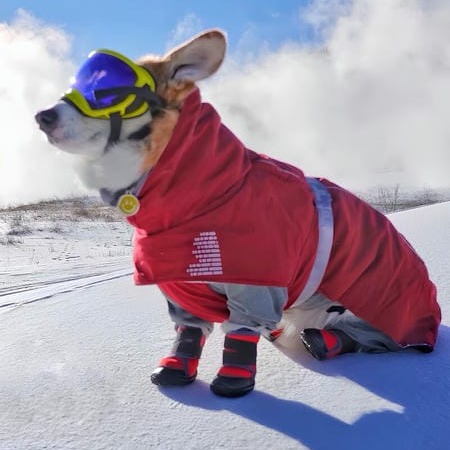
Some dogs need boots during winter, particularly when they spend extended periods outdoors in snow, freezing temperatures, or icy conditions. Snow can accumulate between the toes, while prolonged cold exposure may make the paws uncomfortable. Dogs with short coats, small bodies, or limited cold tolerance may require additional protection.
Winter dog boots can help reduce direct contact with snow and ice while providing insulation and a barrier against environmental hazards. However, the appropriate level of protection depends on the dog's size, breed, health, and the severity of the weather.
Owners should still limit outdoor exposure during extreme cold and watch for signs of discomfort. Footwear is an additional protective measure, not a guarantee that a dog can safely remain outside for extended periods.
Do Dogs Need Shoes to Protect Their Paws From Road Salt?
Road salt and chemical deicers can irritate dogs' paw pads. After walking through treated areas, dogs may also lick their paws and accidentally ingest residues. This is particularly concerning during winter, when sidewalks and roads may be treated frequently.
Dog boots can help reduce direct contact with these substances. When footwear is not practical, owners should rinse or wipe their dogs' paws after walks and inspect them for redness, cracks, or irritation. Preventing excessive paw licking after exposure is also important.
For retailers, winter footwear should be evaluated not only for warmth but also for its ability to provide a practical protective barrier. Clear product descriptions explaining intended applications can help customers choose suitable winter dog shoes.
When Should My Dog Wear Shoes in Icy Conditions?
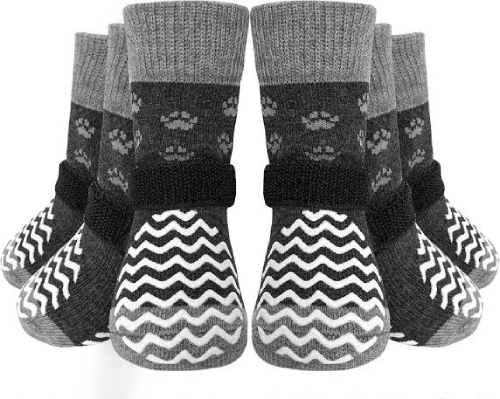
Dogs may need footwear when walking on icy sidewalks, frozen ground, or slippery surfaces. However, protection and traction are equally important. A shoe that provides warmth but has a slippery sole may increase the risk of losing balance.
Owners should select products with appropriate grip and secure fastening systems. They should also avoid walking dogs across dangerously slippery surfaces whenever possible. Even well-designed footwear cannot eliminate every risk associated with ice.
From a product development perspective, winter dog footwear requires careful attention to outsole materials, tread patterns, flexibility, and fastening reliability. These features influence whether a product can meet customers' expectations for cold-weather use.
Which Dogs Are More Likely to Need Shoes?
Do Small Dogs Need Shoes More Often Than Large Dogs?
Small dogs may be more vulnerable to certain environmental conditions because their bodies are closer to the ground. Snow, moisture, and cold surfaces may affect them more noticeably during outdoor walks. Some small breeds also have delicate paws that may be less suited to rough terrain.
However, size alone does not determine whether a dog needs shoes. A large dog with sensitive paws may require more protection than a small dog accustomed to outdoor activity. Owners should consider individual needs rather than relying exclusively on breed or weight.
For businesses, offering a range of sizes is essential. A comprehensive assortment should accommodate different paw widths, shapes, and proportions rather than assuming that small, medium, and large labels are sufficient for every dog.
Should Senior Dogs Wear Shoes for Additional Paw Protection?
Senior dogs may benefit from footwear when they experience paw sensitivity, reduced mobility, or difficulty walking across certain surfaces. Some older dogs also have less tolerance for extreme weather and may require additional support during outdoor activities.
Nevertheless, senior dogs should be evaluated individually. Shoes that are too heavy or restrictive may make movement more difficult. Owners should prioritize comfortable materials, appropriate sizing, and designs that do not interfere with natural gait.
If a senior dog suddenly begins limping or avoiding walking, footwear should not be used to mask the problem. A veterinarian should evaluate persistent pain, mobility changes, or unusual sensitivity before the owner introduces a new protective product.
Do Puppies Need Shoes Before Their Paws Fully Develop?
Puppies generally do not need shoes for routine indoor movement or short walks on safe surfaces. Their paws are still developing, and their early experiences with footwear should focus on gentle handling and positive associations rather than prolonged wearing.
Protective footwear may be useful in certain environmental conditions, but owners should select appropriately sized products and monitor their puppies carefully. A puppy can quickly outgrow a shoe size, so fit should be checked frequently.
For pet businesses, puppy footwear represents a specialized customer segment. Product development should consider lightweight construction, easy fastening, adjustable sizing, and simple training guidance for first-time dog owners.
Do Dogs With Sensitive Paws or Allergies Need Shoes?
Some dogs have particularly sensitive paws or experience irritation after walking on certain surfaces. In these cases, protective footwear may help reduce direct exposure to environmental irritants during specific activities.
However, dog shoes are not a treatment for underlying skin conditions, allergies, or injuries. Owners should consult a veterinarian when symptoms persist, and footwear should be selected carefully to avoid trapping moisture or creating additional friction.
For product manufacturers, this customer group highlights the importance of material selection. Soft linings, smooth seams, suitable breathability, and carefully designed openings can influence comfort for dogs that are more sensitive to footwear.
Can Dogs Wear Shoes Comfortably and Safely?
How Can You Tell Whether Dog Shoes Fit Correctly?
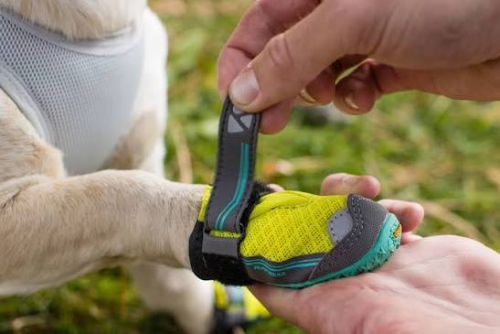
A properly fitted dog shoe should stay securely in place without squeezing the paw or restricting movement. The dog's toes should have adequate room, and the fastening system should hold the shoe without excessive pressure.
Owners should measure their dogs' paws according to the manufacturer's instructions, ideally while the dog is standing and bearing weight. Paw width and shape are important, and measurements may differ between front and rear paws. Always consult the specific product's size chart rather than assuming that every brand uses the same sizing standards.
After putting the shoes on, observe how the dog stands and walks. If the footwear repeatedly twists, slips off, or causes an abnormal gait, the size or design may not be suitable.
Can Dog Shoes Affect a Dog's Natural Walking Style?
Yes. Dogs rely on the sensations from their paws to maintain balance and understand their surroundings. When shoes are introduced, the unfamiliar covering may temporarily change how a dog moves. Some dogs lift their paws unusually high, walk stiffly, or hesitate before taking steps.
This adjustment is not necessarily a problem, but the owner should introduce footwear gradually. Short indoor sessions, positive reinforcement, and gradual exposure to different surfaces can help dogs adapt.
If a dog continues to walk abnormally, appears painful, or refuses to move, owners should stop the session and check the fit. Comfortable footwear should support movement rather than force the dog to tolerate discomfort.
How Long Can Dogs Wear Shoes During Outdoor Activities?
There is no universal duration that applies to every dog. Wearing time depends on the shoe design, weather, terrain, the dog's physical condition, and its level of comfort. Some dogs may tolerate footwear for an entire activity, while others need shorter periods.
Owners should begin with brief wearing sessions and gradually extend them. During outdoor activities, they should inspect the shoes periodically and check for moisture, debris, slipping, or signs of rubbing.
Dogs should never be expected to wear footwear continuously simply because the shoes have been purchased. Monitoring comfort and adjusting usage according to the conditions remain essential.
How Can You Train a Dog to Wear Shoes for the First Time?
How Should You Introduce Shoes to a Dog Gradually?
Start by placing the shoes near your dog and allowing it to investigate them naturally. Reward calm curiosity with treats or praise. Once the dog becomes comfortable, gently touch a shoe against its paw before attempting to put it on.
Introduce one shoe at a time or use another gradual approach that suits your dog's behavior. Keep the first wearing experience brief and positive. The goal is to help the dog understand that footwear is not something to fear.
For brands and retailers, training instructions are an important part of the customer experience. Owners who understand the adjustment process are more likely to use the product successfully and develop realistic expectations.
How Can Treats Help Dogs Accept Wearing Shoes?
Positive reinforcement encourages dogs to associate footwear with enjoyable experiences. Offer a treat when the dog approaches the shoes, allows paw handling, accepts a shoe, or takes a few comfortable steps.
Rewards should follow the desired behavior immediately. Keep sessions short, and avoid forcing the dog to continue when it becomes anxious. Over time, the dog may become comfortable wearing shoes without needing a treat every time.
This approach is particularly helpful for first-time dog owners who may otherwise interpret a dog's initial hesitation as rejection of the product. Consistent, gentle training can make a significant difference in the wearing experience.
How Can You Help a Dog Walk Naturally in Shoes?
Once your dog tolerates wearing shoes while standing, encourage a few steps indoors on a familiar, non-slip surface. Use treats, toys, or gentle encouragement to motivate movement.
Gradually introduce other safe surfaces, such as carpet, grass, or pavement. Avoid immediately taking the dog on a long or demanding walk. Give it time to adjust to the unfamiliar sensation and observe its behavior throughout the process.
Training should always progress at the dog's pace. If the dog becomes distressed or uncomfortable, return to an easier stage instead of insisting on further progress.
What Should Dog Owners Check Before Buying Dog Shoes?
How Important Are Materials and Breathability in Dog Footwear?
Material selection influences comfort, flexibility, durability, and suitability for different environments. Lightweight and breathable materials may be appropriate for warmer weather, while insulated constructions may be more suitable for winter applications.
However, no single material is ideal for every situation. Outdoor footwear may need greater abrasion resistance, while indoor footwear may prioritize flexibility and lightness. Owners should select products according to the intended activity rather than relying on appearance alone.
For B2B buyers, evaluating materials is a critical part of product sourcing. Guangzhou Petsun provides a range of pet footwear products that buyers can assess when comparing product categories, target markets, and design requirements.
Why Should Buyers Pay Attention to Sole Design and Traction?
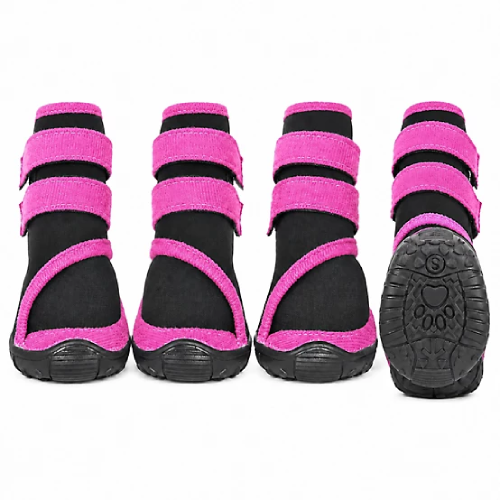
The sole is one of the most important functional components of dog shoes. It influences traction, flexibility, durability, and protection from environmental hazards. A sole that is too rigid may interfere with movement, while one that is too thin may provide insufficient protection for certain surfaces.
Buyers should evaluate the intended usage scenarios when selecting products. Hiking shoes, winter boots, and lightweight everyday footwear may require different outsole characteristics. Product testing should reflect the actual conditions in which customers will use the shoes.
For retailers, clearly explaining these differences can help customers choose suitable footwear and avoid unrealistic expectations. For manufacturers, understanding these requirements supports more targeted product development.
How Do Fastening Systems Influence Comfort and Convenience?
Fastening systems determine how easily owners can put on and remove dog shoes and how securely the footwear stays in place. Adjustable straps, suitable openings, and practical closures can make the product easier to use, especially for dogs that are unfamiliar with footwear.
A fastening system should provide stability without applying excessive pressure. If straps are too loose, the shoes may slip or rotate. If they are too tight, they may create discomfort or restrict movement.
From a commercial perspective, convenience is an important purchasing consideration. Product designs that simplify application and improve fit may be more attractive to customers who use dog footwear regularly.
What Should Pet Brands and Wholesalers Know About Dog Shoe Demand?
Why Is Dog Footwear Becoming an Important Pet Product Category?
Pet owners increasingly look for specialized products that support their dogs' comfort, safety, and outdoor lifestyles. Dog footwear is connected to several practical needs, including summer paw protection, winter weather protection, hiking, travel, and sensitive-paw care.
These needs create opportunities for retailers to develop product collections around different usage scenarios. Rather than offering only one general-purpose dog shoe, businesses can organize their assortments into seasonal, functional, and lifestyle categories.
For wholesalers, this approach can support more effective inventory planning and product positioning. Understanding why customers need dog shoes helps businesses select products that address real problems instead of relying entirely on visual trends.
How Can Retailers Identify the Right Target Customers for Dog Shoes?
Different customer groups have different priorities. Urban dog owners may be interested in protecting paws from hot pavement and road salt. Outdoor enthusiasts may seek footwear for hiking and rough terrain. Owners of small or senior dogs may prioritize comfort, lightweight construction, and ease of use.
Retailers should consider these differences when organizing their product categories and marketing messages. A customer looking for winter boots has different expectations from someone searching for lightweight summer dog shoes.
By clearly identifying product applications, businesses can improve product discovery and help customers make informed purchasing decisions. This also creates opportunities for targeted SEO content addressing specific customer questions.
How Can OEM and ODM Services Help Businesses Develop Customized Dog Shoes?
OEM and ODM services provide opportunities for pet brands to develop products that reflect their own market positioning. OEM projects typically involve manufacturing according to the buyer's specifications, while ODM projects may include supplier-supported design and development.
For example, a brand targeting summer outdoor activities may prioritize breathable materials, lightweight construction, and flexible soles. A winter collection may require insulation, weather-appropriate materials, and enhanced traction. Customization may also involve colors, patterns, logos, packaging, and other product details.
Guangzhou Petsun offers OEM and ODM customization services for businesses interested in developing pet footwear products. Buyers should discuss design requirements, available customization options, material specifications, sample development, minimum order quantities, and production schedules directly with the supplier.
How Can Wholesale Buyers Source Dog Shoes for Different Markets?
Wholesale purchasing can help retailers and distributors establish a product assortment without developing every design from scratch. When evaluating suppliers, businesses should consider product availability, sizing options, quality consistency, pricing, order requirements, and shipping arrangements.
Ready-to-order products may be useful for businesses testing market demand, while customized products may be more suitable for brands seeking differentiation. The right sourcing strategy depends on the buyer's sales channels, budget, inventory goals, and customer profile.
Guangzhou Petsun provides information about in-stock products and wholesale services. Buyers can explore available options and discuss order requirements to determine whether the products align with their business needs.
Do Dogs Need Shoes? What Are the Most Frequently Asked Questions?
Do Dogs Need Shoes Every Day?
No. Most healthy dogs do not need shoes every day when walking on comfortable surfaces in moderate weather. Footwear is generally most useful when environmental conditions create risks to paw health or when dogs need additional protection during specific activities.
Should Dogs Wear Shoes in Summer?
Dogs may need shoes when walking on hot pavement or rough surfaces during summer. Owners should also adjust walking schedules, avoid extreme heat, and choose breathable, appropriately fitted footwear when protection is necessary.
Do Dogs Need Boots in Winter?
Some dogs benefit from boots in snow, freezing temperatures, icy conditions, or areas treated with road salt. The need depends on the dog's cold tolerance, paw sensitivity, weather conditions, and time spent outdoors.
Can Dogs Wear Shoes Indoors?
Yes, dogs can wear properly fitted shoes indoors when there is a specific reason, such as paw protection or traction support. However, most dogs do not need indoor footwear for ordinary movement around the home.
Should You Put Shoes on Your Dog if It Refuses to Walk?
No. If a dog refuses to walk in shoes, owners should stop and check for discomfort, poor fit, or an unfamiliar sensation. Gradual training may help, but persistent resistance should not be ignored or treated as misbehavior.
Are Dog Shoes Safe for Long Walks?
Dog shoes can be suitable for longer walks if they fit correctly, match the environment, and do not cause discomfort. Owners should introduce them gradually and check the paws and footwear periodically during extended activities.
What Is the Final Answer to Whether Dogs Need Shoes?
Dogs do not necessarily need shoes for every walk or every day. Their natural paw pads provide sufficient protection for many ordinary activities. However, dog shoes can be valuable when environmental conditions create risks, including hot pavement, snow, ice, road salt, rough terrain, and certain outdoor activities.
The best decision depends on the individual dog. Breed, size, age, paw sensitivity, physical condition, weather, and walking environment should all be considered. When footwear is appropriate, owners should select comfortable, properly fitted shoes and introduce them gradually through positive reinforcement.
For pet product businesses, the question "Do dogs need shoes?" represents an opportunity to educate customers while developing a more focused product assortment. Understanding real-world applications, material requirements, sizing challenges, and customer expectations can help wholesalers and retailers serve the market more effectively.
Guangzhou Petsun provides pet footwear product options, OEM/ODM customization, and wholesale services for businesses exploring this category. Buyers interested in product selection and industry-related educational resources can visit the Guangzhou Petsun product collection and the Guangzhou Petsun news and blog section to explore additional information.
Is It Bad for Dogs to Wear Shoes
How to Train Your Dog to Wear Shoes
Related Article