How to Train Your Dog to Wear Shoes
Why Do Some Dogs Need Training Before Wearing Shoes?
For many dogs, wearing shoes is an unfamiliar experience. Unlike humans, dogs rely heavily on their paws to explore their surroundings, maintain balance, and understand the world around them. When owners first introduce dog shoes, it is common for their pets to walk awkwardly, lift their paws unusually high, freeze in place, or try to remove the footwear. These reactions are not necessarily signs that the shoes are uncomfortable. Often, they simply indicate that the dog needs time to understand this new sensation.
Learning how to train a dog to wear shoes is therefore about much more than putting footwear on its paws. It requires patience, positive reinforcement, gradual exposure, and an understanding of canine behavior. For pet product retailers, distributors, and brands, this training process also reveals an important connection between product design and customer satisfaction. A comfortable, well-designed dog shoe can make the learning process significantly easier, while an unsuitable product may discourage both the dog and its owner from continuing.
As a professional pet footwear supplier, Guangzhou Petsun understands that successful dog footwear products must balance protection, comfort, functionality, and ease of use. Exploring the training process helps pet businesses better understand what consumers expect from dog shoes and how product development can support a positive wearing experience.
How Should You Prepare Your Dog for Its First Pair of Shoes?
How Can You Introduce Dog Shoes Without Creating Fear?
The first step is to allow your dog to become familiar with the shoes before attempting to put them on. Place the footwear on the floor in an area where your dog feels comfortable. Let your pet approach, sniff, and investigate the shoes naturally. Avoid forcing the dog to interact with them, because pressure can create unnecessary anxiety.
During this stage, owners can reward their dogs with small treats whenever they show curiosity toward the footwear. Even a brief sniff or calm interaction deserves positive reinforcement. Over time, the dog begins to associate the shoes with something enjoyable rather than something unfamiliar or threatening.
For pet brands, this simple interaction demonstrates the importance of product presentation. Shoes with soft materials, attractive colors, and approachable designs may create a more positive first impression. Packaging and instructional materials can also encourage owners to introduce footwear gradually rather than immediately attempting a complete wearing session.
How Can You Help Your Dog Feel Comfortable Around the Shoes?
After your dog becomes comfortable approaching the shoes, try holding one shoe near its paw without putting it on. Allow your dog to smell the material and observe your movements. If your dog remains calm, reward it immediately with a treat or verbal praise.
Next, gently touch the shoe against the paw for a few seconds. This small step helps the dog become familiar with the sensation of footwear near its toes and pads. If the dog pulls away, do not punish it or insist on continuing. Simply return to an easier stage and try again later.
Manufacturers should consider how the physical characteristics of dog shoes influence this experience. Lightweight materials, flexible openings, and soft inner linings can reduce the unfamiliar sensations associated with wearing footwear. Guangzhou Petsun offers a range of pet footwear products that businesses can explore through its dog shoes and pet footwear product collection.
How Can You Choose the Right Environment for Training?
Training should take place in a quiet, familiar environment where your dog feels secure. A living room, bedroom, or another comfortable indoor space is generally more suitable than a busy park or crowded street. Too many distractions can make it difficult for your dog to focus on the new experience.
Owners should also choose a time when their dogs are relaxed but still alert. Training immediately after an intense play session or during a stressful situation may not produce the best results. A calm environment allows dogs to process each new sensation at their own pace.
For pet retailers, this recommendation can become valuable customer education content. Rather than simply selling dog shoes, brands can provide practical guidance about when and where to introduce them. Clear instructions help customers feel supported and reduce the likelihood of negative product experiences.
How Can You Train Your Dog to Wear Shoes Using Positive Reinforcement?
How Can Treats Help Dogs Associate Shoes With Positive Experiences?
Positive reinforcement is one of the most effective approaches to training dogs to accept unfamiliar objects. The basic principle is straightforward: reward desirable behavior so that the dog becomes more likely to repeat it.
When introducing dog shoes, offer a small treat whenever your dog approaches the footwear calmly. Once the dog becomes comfortable, reward it for allowing you to touch its paw with the shoe. Later, provide another treat after successfully putting on one shoe.
The timing of the reward matters. Dogs learn more effectively when the positive experience immediately follows the behavior you want to encourage. If you wait too long, your dog may not understand what it is being rewarded for.
For commercial dog footwear brands, this training method highlights the importance of creating products that work naturally with positive reinforcement. Shoes that are easy to put on, stay securely in place, and do not cause immediate discomfort allow owners to reward successful interactions more consistently.
How Can Verbal Praise and Play Improve the Training Experience?
Food rewards are useful, but they are not the only way to encourage dogs. Some pets respond more enthusiastically to verbal praise, gentle petting, or a favorite toy. Understanding what motivates your individual dog can make training more effective.
For example, a dog that enjoys playing with a ball may respond well to a short play session after successfully wearing one shoe. Another dog may prefer a calm voice and affectionate attention. The goal is to make the entire process enjoyable rather than treating shoe training as a stressful obligation.
Pet brands can incorporate this principle into educational resources by explaining that every dog has different motivations. Providing flexible training advice helps customers feel more confident and encourages them to continue using the product even when the initial experience is challenging.
How Can You Avoid Using Punishment During Shoe Training?
Dogs may shake their paws, bite at the shoes, walk backward, or attempt to remove the footwear. These behaviors are common during the adjustment period. Punishing a dog for reacting this way can increase anxiety and create a negative association with the shoes.
Instead, calmly remove the footwear if the dog becomes distressed and return to a shorter or easier training session. Reward calm behavior, introduce the shoes gradually, and allow the dog to develop confidence.
This approach is particularly important for first-time dog owners. Brands that explain common behavioral reactions in advance can prevent customers from interpreting normal adjustment behavior as product failure. Clear communication helps establish realistic expectations and supports long-term customer satisfaction.
How Can You Introduce Dog Shoes Gradually Without Overwhelming Your Pet?
How Long Should a Dog Wear Shoes During the First Training Session?
During the first successful wearing attempt, keep the shoes on for only a few seconds. The objective is not to make the dog walk a long distance immediately. Instead, focus on helping the dog understand that wearing shoes is safe and temporary.
After the dog accepts the footwear calmly, remove the shoes and provide a reward. This creates a predictable sequence: shoes go on, a positive experience occurs, and shoes come off. Predictability can help reduce uncertainty and make future sessions easier.
For most dogs, short sessions lasting approximately one to three minutes can be more productive than prolonged training. However, the exact duration depends on the dog's temperament, sensitivity, and previous experience with handling its paws.
How Can You Gradually Increase the Time Your Dog Wears Shoes?
Once your dog can comfortably wear shoes for a few seconds, begin extending the duration in small increments. For example, you might start with ten seconds, increase to twenty seconds, and then gradually progress to thirty seconds or one minute if the dog remains relaxed.
There is no need to increase the duration during every session. Some dogs may need several days to become comfortable with a particular stage. Others may progress more quickly. The important thing is to observe the dog's behavior rather than following a rigid schedule.
When developing dog footwear products, manufacturers should remember that ease of wearing influences whether owners are willing to repeat this process. A secure but comfortable fit, smooth interior surfaces, and manageable fastening systems can make repeated short training sessions much easier.
How Can You Recognize When Your Dog Is Ready for the Next Stage?
Look for signs that your dog is becoming comfortable, including relaxed body posture, normal movement, willingness to accept treats, and reduced attempts to remove the shoes. These behaviors suggest that the dog is adapting to the unfamiliar sensation.
On the other hand, repeated freezing, trembling, excessive licking, persistent biting at the footwear, or attempts to escape indicate that the dog may need more time. If discomfort continues even with gradual training, owners should inspect the fit and consider whether the shoe design is suitable for their pet.
For businesses selling dog footwear, this distinction is valuable. Customer education should explain not only how to train dogs but also how to recognize potential fit problems. A dog that cannot comfortably tolerate an unsuitable shoe will not benefit from additional training alone.
How Do Different Dog Shoe Styles Affect Training and Acceptance?
Are Lightweight Dog Shoes Easier for Beginners to Accept?
Lightweight dog shoes are often a practical starting point because they introduce less additional weight around the paws. Dogs that have never worn footwear may be particularly sensitive to changes in balance and movement. A heavy or rigid shoe can make these changes more noticeable.
Lightweight construction can help reduce the sensation of carrying something unfamiliar on each paw. However, weight alone does not determine comfort. The material must also provide appropriate flexibility, breathability, and protection for the intended environment.
For wholesalers and private-label buyers, lightweight dog shoes may be attractive for everyday walking and warmer-weather applications. Guangzhou Petsun provides pet footwear options that businesses can evaluate when developing product assortments for different customer needs and markets.
Are Dog Boots With Flexible Soles Better for Natural Movement?
Flexible soles allow dogs to move their paws more naturally and may help them adapt to footwear more easily. Dogs rely on the movement of their toes and paws to maintain balance, particularly when walking across uneven surfaces. A sole that is excessively stiff can interfere with this natural movement.
However, flexibility must be balanced with protection. Shoes designed for hot pavement, rough outdoor trails, or cold winter conditions may require different levels of sole thickness and structural support. A product that works well indoors may not provide sufficient protection outdoors.
For product developers, this creates an important design challenge. The ideal sole should provide protection appropriate to the application without unnecessarily restricting movement. Testing the footwear under realistic conditions is essential before making claims about comfort or performance.
Can Dog Shoes With Adjustable Straps Improve Wearing Comfort?
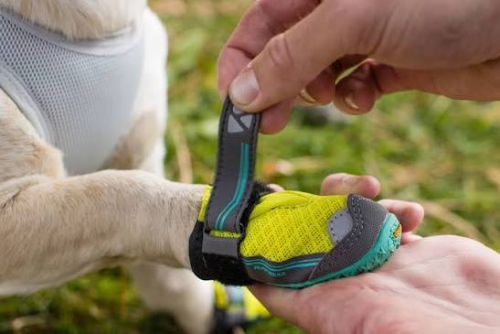
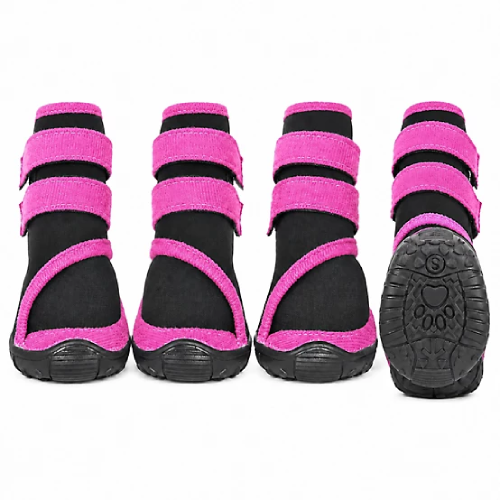
Adjustable straps can help owners secure dog shoes around different paw shapes and sizes. When properly designed, they reduce the likelihood of footwear slipping off during movement. They can also make it easier to put on and remove shoes during the training process.
However, straps that are too tight may create pressure, while straps that are too loose may allow the shoes to rotate or slide. Owners should learn how to fasten the footwear securely without restricting circulation or causing discomfort.
From a B2B perspective, adjustable fastening systems are an important product feature to evaluate. Buyers should consider the strap's material, fastening strength, ease of adjustment, and compatibility with different paw shapes. These details can significantly influence product reviews and repeat purchases.
Are Socks and Soft Dog Shoes Suitable for Sensitive Dogs?
Some dogs are particularly sensitive to rigid footwear. Soft dog shoes or protective dog socks may provide a gentler introduction because they often use flexible materials and create less noticeable structural restriction.
Nevertheless, soft footwear is not automatically suitable for every application. Some products may offer limited protection against sharp objects, moisture, or extreme temperatures. Owners should choose footwear according to their dog's needs, the surrounding environment, and the intended activity.
For manufacturers and distributors, offering different footwear categories can help address a broader range of customer requirements. A carefully organized product portfolio allows retailers to recommend products based on comfort, protection, seasonality, and training experience rather than relying on a single universal shoe design.
| Dog Shoe Type | Potential Training Advantage | Important Consideration | Typical Application |
|---|---|---|---|
| Lightweight Dog Shoes | May feel less unfamiliar during initial wearing | Balance weight with durability and protection | Daily walking and warm-weather use |
| Flexible-Sole Dog Boots | May allow more natural paw movement | Ensure sufficient protection for the terrain | Outdoor walking and active use |
| Adjustable-Strap Dog Shoes | Can help owners achieve a more secure fit | Avoid excessive pressure or loose fastening | Walking and varied paw shapes |
| Soft Dog Shoes or Socks | May offer a gentler introduction for sensitive dogs | Evaluate traction, protection, and material limitations | Indoor use and selected light activities |
How Can You Teach Your Dog to Walk Naturally in Shoes?
How Should You Begin Walking Practice Indoors?
Once your dog can comfortably wear all four shoes while standing, begin with a few steps indoors. Choose a familiar room with a clean, non-slip surface and encourage your dog to walk toward you using treats or gentle verbal encouragement.
Some dogs initially lift their paws unusually high or move in a stiff, exaggerated manner. This reaction is often temporary. The dog is adjusting to the feeling of having something covering its paws and learning how the footwear changes its movement.
Keep the first walking attempts short. If your dog takes several comfortable steps, reward the behavior and end the session on a positive note. Repeated successful experiences are generally more helpful than trying to achieve a long walk immediately.
How Can You Help Your Dog Adjust to Different Walking Surfaces?
After your dog becomes comfortable walking indoors, gradually introduce other safe surfaces. A smooth floor, carpet, grass, and outdoor pavement may each feel different through the shoes. Allow your dog to explore one new surface at a time.
Observe how the footwear performs during movement. If it twists, slips, or causes your dog to change its gait significantly, check the sizing and fastening. A properly fitted shoe should support movement without repeatedly distracting the dog.
For B2B buyers, this stage demonstrates why product evaluation should include multiple surfaces and practical usage scenarios. A footwear design that performs well on one surface may not provide the same traction or stability on another. Retailers can use this information to explain product applications more accurately to customers.
How Can You Progress From Indoor Training to Outdoor Walks?
When your dog can walk comfortably indoors, begin with a short outdoor session in a quiet area. Avoid crowded sidewalks, busy roads, and unfamiliar environments during the first few outings. These distractions can make it difficult for your dog to focus on adapting to the footwear.
Start with a few minutes of walking and gradually increase the duration as your dog becomes more confident. Pay attention to changes in gait, attempts to remove the shoes, and signs of discomfort. Dogs may need several outings before wearing footwear feels normal.
Owners should also remember that outdoor conditions influence footwear performance. Heat, moisture, rough terrain, and debris may affect comfort and durability. Choosing the correct shoe for the activity is just as important as training the dog to wear it.
What Common Dog Shoe Training Mistakes Should Owners Avoid?
Why Should You Avoid Putting All Four Shoes on Immediately?
Putting all four shoes on a dog during the first attempt can overwhelm it. The sudden change in sensation may cause the dog to freeze, struggle, or become anxious. For a dog that has never worn footwear, this can turn an unfamiliar experience into a stressful one.
A more gradual approach is to begin with paw handling, then introduce one shoe, and eventually progress to all four. Some dogs may benefit from practicing with one front paw first, while others may tolerate one shoe on each side more comfortably. Owners should adapt according to the dog's response.
For manufacturers, this illustrates why instructions should explain gradual introduction rather than presenting dog shoes as a product that requires no adjustment. Better education can improve customer expectations and reduce avoidable complaints.
Why Should You Avoid Training Sessions That Are Too Long?
Long training sessions can cause frustration for both dogs and owners. When a dog becomes tired or uncomfortable, it may begin resisting the footwear even if it initially accepted it. Continuing beyond the dog's comfort level can make the next session more difficult.
Short, positive sessions allow the dog to finish while still feeling successful. Owners should gradually increase the duration only when the dog is comfortable with the current stage. Patience is particularly important for rescue dogs, senior dogs, and pets with sensitive paws.
Brands can support this approach by providing easy-to-follow training guides that emphasize progress rather than speed. Practical customer education is often more valuable than promising immediate results.
Why Should You Never Ignore Signs of Poor Fit or Discomfort?
Training cannot solve every problem. If a dog repeatedly pulls away, develops irritation, walks abnormally, or appears uncomfortable whenever the shoes are worn, owners should inspect the footwear carefully. Incorrect sizing, restrictive straps, rough seams, or unsuitable materials may be responsible.
Dog paws vary considerably in width, shape, and proportions. Measuring the paws while the dog is standing and following the manufacturer's sizing guidance can help reduce fitting problems. Owners should also check that the shoes remain secure without becoming excessively tight.
For pet footwear businesses, sizing information is a critical part of the customer experience. Accurate size charts, clear measuring instructions, and product-specific fitting advice can help buyers choose more suitable footwear and reduce return rates.
How Can Pet Brands and Wholesalers Improve Dog Shoe Training Success?
How Can Product Design Make Dog Shoes Easier for Owners to Use?
Dog shoe acceptance is influenced by several interconnected design factors. Weight, sole flexibility, inner lining, opening structure, fastening systems, and sizing accuracy all contribute to the wearing experience. Even a visually attractive product may struggle in the market if owners find it difficult to put on or dogs refuse to tolerate it.
Pet brands should therefore evaluate footwear from the perspective of both the dog and the owner. Dogs need comfort, appropriate protection, and freedom of movement. Owners need convenient application, clear sizing, secure fastening, and confidence that the product will perform as expected.
Guangzhou Petsun works within the pet footwear category, where businesses can explore different product styles and consider how specific features align with their target markets. For buyers developing a new assortment, reviewing a supplier's product range can be a useful starting point for evaluating available footwear options.
How Can OEM and ODM Services Help Brands Develop Better Dog Shoes?
OEM and ODM services allow pet brands to develop footwear products that reflect their own positioning, customer needs, and commercial goals. OEM projects generally focus on manufacturing products according to the buyer's specifications, while ODM projects may involve greater supplier participation in design and product development.
For example, a brand targeting first-time dog shoe users may prioritize lightweight materials, easy-to-open structures, and simple fastening systems. A brand focused on outdoor activities may place greater emphasis on sole protection, traction, and durability. These differences influence not only product development but also the training advice that accompanies the finished product.
Guangzhou Petsun offers businesses an opportunity to explore OEM and ODM customization services when developing their own pet footwear collections. Buyers should discuss design requirements, material selection, customization possibilities, sample development, minimum order quantities, and production timelines directly with the supplier to determine the most appropriate project approach.
How Can Wholesale Buyers Choose Dog Shoes for Different Customer Segments?
Wholesale buyers should consider the needs of different customer groups rather than selecting products based only on appearance or price. First-time dog owners may prefer simple, lightweight shoes that are easy to introduce. Experienced outdoor enthusiasts may prioritize protective soles and more secure fastening systems. Seasonal shoppers may seek footwear designed for hot pavement, rain, or winter conditions.
Building an assortment around these different needs can help retailers provide more relevant recommendations. It also creates opportunities to educate customers about product selection and training, improving the overall shopping experience.
For businesses looking to source ready-to-order products or explore wholesale purchasing options, Guangzhou Petsun provides information through its in-stock and wholesale services. Buyers can discuss product availability, order requirements, and suitable purchasing arrangements according to their business needs.
How Can Customer Education Improve Dog Footwear Sales and Satisfaction?
Customer education should be considered an extension of product development rather than an afterthought. A dog owner who understands how to introduce footwear gradually is more likely to have a positive experience than someone who expects their pet to accept shoes immediately.
Brands can provide educational materials covering paw measurement, sizing, initial introduction, positive reinforcement, gradual wearing time, walking practice, and common adjustment behaviors. These resources can be shared through product packaging, websites, blogs, social media, and post-purchase communication.
For B2B companies, educational content also supports organic search visibility and answer-oriented content strategies. Articles addressing questions such as "how to train a dog to wear shoes" and "how to train your dog to wear shoes" can attract relevant traffic while helping customers understand the product category before making a purchase.
Businesses can develop additional educational resources through the Guangzhou Petsun news and blog section, creating a useful information pathway between product discovery, training guidance, and purchasing decisions.
How Long Does It Usually Take to Train a Dog to Wear Shoes?
Can Some Dogs Learn to Wear Shoes Within a Few Days?
Yes, some dogs become comfortable wearing shoes within a few days, especially when they are naturally curious, accustomed to having their paws handled, and introduced to well-fitting footwear. These dogs may quickly learn that wearing shoes leads to treats, praise, and enjoyable activities.
However, a few days should not be treated as a universal expectation. Dogs differ in temperament, previous experiences, sensitivity, and physical comfort. A training schedule that works for one dog may be too demanding for another.
Owners should focus on the quality of the dog's response rather than the number of days required. Calm behavior, comfortable movement, and willingness to participate are more meaningful indicators of progress than reaching a particular milestone quickly.
What Should You Do if Your Dog Still Refuses to Wear Shoes?
If your dog continues to resist wearing shoes, return to the earliest stage at which it feels comfortable. This may mean allowing the dog to sniff the footwear again, practicing paw handling, or rewarding brief contact with a single shoe.
Next, examine the product itself. Check whether the shoes are the correct size, whether the opening is easy to use, whether the straps apply pressure, and whether the material feels appropriate for your dog's paws. Persistent resistance may be caused by discomfort rather than a lack of training.
If your dog displays significant pain, limping, persistent irritation, or unusual sensitivity, discontinue use and consult a veterinarian when appropriate. A successful training program should never require ignoring a dog's physical discomfort.
How Can You Maintain Your Dog's Confidence After Training?
Once your dog accepts footwear, continue rewarding calm behavior occasionally. Make wearing shoes part of a predictable routine before activities the dog enjoys, such as outdoor walks or exploring new environments.
Owners should also maintain good fitting habits. Check the paws and footwear after use, clean the shoes when necessary, and replace products that show signs of damage or no longer fit properly. Comfortable footwear is more likely to remain a positive part of the dog's routine when owners pay attention to these details.
For pet businesses, long-term product satisfaction depends on more than the initial sale. Clear usage instructions, practical training guidance, reliable product quality, and responsive customer support can all contribute to stronger customer relationships and repeat purchasing behavior.
What Is the Best Way to Help Your Dog Enjoy Wearing Shoes?
The most effective way to train your dog to wear shoes is to combine patience, positive reinforcement, gradual exposure, and careful product selection. Begin by allowing your dog to become familiar with the footwear, reward calm interactions, introduce shoes for only a few seconds, and slowly increase wearing time as your dog becomes comfortable. Short indoor walking sessions can then lead to more confident outdoor experiences.
At the same time, owners should recognize that successful training depends on the quality and suitability of the footwear. Lightweight construction, flexible soles, comfortable materials, appropriate sizing, and practical fastening systems can all influence whether a dog accepts shoes willingly.
For B2B buyers, retailers, and pet brands, these insights highlight an important market opportunity. Developing and sourcing dog shoes that prioritize comfort and usability, while providing clear educational resources, can help bridge the gap between product availability and successful real-world use.
Guangzhou Petsun supports businesses exploring pet footwear products, wholesale sourcing, and OEM/ODM development. By combining thoughtful product selection with practical customer education, pet businesses can create a more positive wearing experience for dogs and their owners while building stronger, more sustainable relationships with their customers.
What Is the Step-by-Step Dog Shoe Training Checklist?
Use this practical checklist to help your dog gradually develop confidence with footwear. Every dog learns at a different pace, so move to the next step only when your dog appears comfortable and relaxed.
| Training Stage | What Should You Do? | Success Indicator |
|---|---|---|
| Step 1: Introduction | Place the shoes near your dog and allow it to sniff and explore them freely. | Your dog approaches the shoes without fear. |
| Step 2: Positive Association | Offer treats, verbal praise, or toys when your dog calmly interacts with the shoes. | Your dog begins associating the footwear with positive experiences. |
| Step 3: Paw Familiarization | Gently touch the shoes against your dog's paws and reward calm behavior. | Your dog allows brief contact without persistent avoidance. |
| Step 4: First Shoe | Put one shoe on briefly, reward your dog, and remove it calmly. | Your dog tolerates wearing one shoe for a few seconds. |
| Step 5: Gradual Progression | Introduce additional shoes and slowly increase wearing time. | Your dog remains relaxed while wearing the footwear. |
| Step 6: Indoor Walking | Encourage a few steps on a familiar, non-slip surface. | Your dog begins walking without excessive hesitation. |
| Step 7: Surface Adaptation | Practice on different safe surfaces, such as carpet and grass. | Your dog walks comfortably across different surfaces. |
| Step 8: Outdoor Practice | Start with short walks in quiet, familiar outdoor environments. | Your dog accepts the shoes during outdoor activities. |
| Step 9: Regular Use | Gradually incorporate shoes into appropriate walking routines. | Your dog wears properly fitted shoes comfortably. |
| Step 10: Fit and Comfort Check | Inspect paws, straps, materials, and footwear condition after use. | No persistent irritation, rubbing, or discomfort is observed. |
What Should Owners Check Before Every Training Session?
- Are the dog's paws clean, dry, and free from visible irritation?
- Are the shoes the correct size and appropriate for the dog's paw shape?
- Are the inner materials soft and free from uncomfortable seams?
- Are the fastening straps secure without being too tight?
- Is the training environment quiet, familiar, and free from distractions?
- Are treats or other positive rewards ready?
- Is the training session short enough to prevent stress or fatigue?
- Is the dog showing relaxed body language and willingness to participate?
- Are the shoes suitable for the temperature, terrain, and intended activity?
- Will training stop if the dog shows persistent distress or physical discomfort?
Important reminder: Successful dog shoe training should never be measured by speed alone. The goal is to help dogs feel safe, comfortable, and confident while wearing properly fitted footwear.
How Can You Train Your Dog to Wear Shoes? (Quick Answers)
How do you train a dog to wear shoes for the first time?
Start by allowing your dog to sniff and explore the shoes. Use treats and positive reinforcement to create a positive association. Introduce one shoe at a time, begin with a few seconds of wearing time, and gradually increase the duration as your dog becomes comfortable.
How long does it take to train a dog to wear shoes?
Some dogs adapt within a few days, while others may need one to several weeks. Training time depends on the dog's temperament, previous experience, paw sensitivity, shoe design, and fit. Consistent, short, positive training sessions are more effective than rushing the process.
Why does my dog walk strangely when wearing shoes?
Dogs may initially walk awkwardly because shoes create unfamiliar sensations around their paws and change how they experience movement. This reaction is common during the adjustment period. Start with short indoor walking sessions and gradually increase practice time. If abnormal walking persists, check the shoe fit and discontinue use if the dog shows signs of discomfort.
Should dogs wear all four shoes during their first training session?
Not necessarily. Many dogs benefit from gradual introduction, starting with one shoe and progressing as they become comfortable. Some dogs may tolerate two shoes better than one, so owners should observe their individual reactions and avoid overwhelming them.
What type of dog shoes are easiest for beginners to accept?
Lightweight dog shoes with soft inner materials, flexible soles, comfortable openings, and adjustable fastening systems may be easier for beginners to accept. However, the best choice depends on the dog's paw shape, sensitivity, activity level, and the intended environment.
How long should a dog wear shoes during training?
Begin with a few seconds and gradually increase wearing time. Initial sessions may last only one to three minutes in total. As your dog becomes comfortable, extend the duration based on its behavior rather than following a fixed schedule.
Can treats help a dog get used to wearing shoes?
Yes. Treats are an effective form of positive reinforcement. Reward your dog when it approaches the shoes, allows paw handling, accepts footwear, and walks calmly. Timing rewards immediately after the desired behavior helps reinforce positive associations.
What should I do if my dog keeps trying to remove its shoes?
Stop and check whether the shoes fit correctly. Look for tight straps, uncomfortable seams, excessive weight, or inappropriate sizing. If the footwear appears comfortable, return to shorter training sessions and reward calm behavior. Never force a dog to continue wearing shoes when it shows persistent distress.
Are dog shoes necessary for every dog?
No. Dog shoes are useful in certain conditions, such as hot pavement, rough terrain, snow, ice, or environments where paw protection is needed. Owners should evaluate the weather, surface conditions, activity, and their dog's individual needs before choosing footwear.
Do Dogs Need Shoes Guide for Dog Owners
Keep Dog Rain Socks Paws Dry in Wet Weather
Related Article