Size Guide Best Snow Boots for Small Dogs
Whether you are a concerned pet parent or a retailer looking to stock the best small dog boots for snow, this comprehensive guide covers everything from sizing secrets to insulation technology. We will also explore insider knowledge on customization and wholesale opportunities that can set your product line apart in a competitive market.
What Makes the Best Snow Boots for Small Dogs Stand Out?
Why Do Small Dogs Need Different Snow Boots Than Larger Breeds?
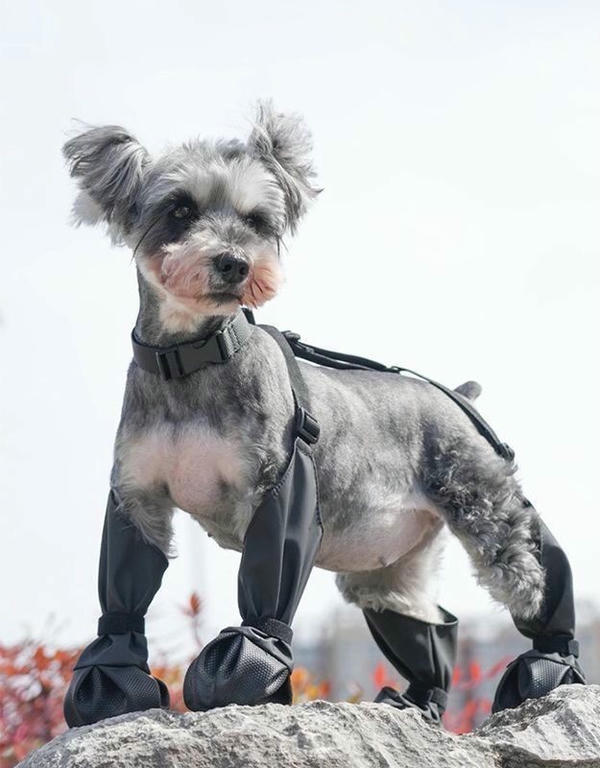
Here is the thing about small dogs. They are not just miniature versions of big dogs. Their physiology is completely different. A Great Dane's paw has thick, tough pads built for endurance, but your Maltese or Toy Poodle has delicate, sensitive pads that freeze in minutes. Their legs are shorter, which means their bellies and chests get dragged through slush and ice with every step. The best snow boots for little dogs need to account for these fundamental differences. They require higher shafts to protect those low-hanging bellies, lighter materials that do not weigh down tiny legs, and proportions that actually fit narrow, compact paws rather than forcing them into boots designed for broader feet. It is like the difference between buying children's shoes versus just getting the smallest adult size. One actually fits, and the other is a disaster waiting to happen.
How Does Proper Insulation Keep Tiny Paws Warm Without Overheating?
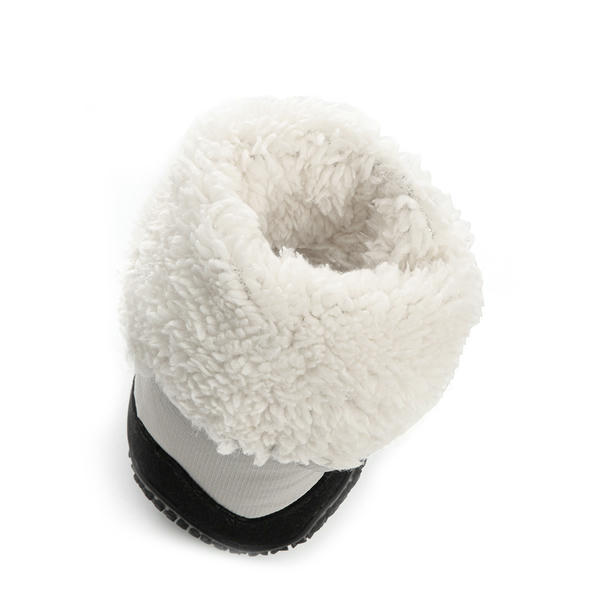
Insulation in small dog boots is a delicate balancing act that many manufacturers get wrong. Small dogs have faster metabolisms and can overheat quickly, but their tiny paws also lose heat rapidly in freezing conditions. The best small dog snow boots use advanced thermal materials like Thinsulate or fleece linings that trap warmth without creating bulk. Here is what most people do not realize. It is not just about adding more insulation. It is about strategic placement. The top of the paw and between the toes need more protection than the pad itself, which actually generates some heat through contact with the ground. Premium boots use breathable, moisture-wicking linings that prevent sweat buildup, because damp paws freeze faster than dry ones. Companies like Guangzhou Petsun understand this nuance, designing boots that maintain the perfect microclimate around your dog's paws regardless of whether it is 20°F or 40°F outside.
What Role Does Traction Play in Small Dog Winter Safety?
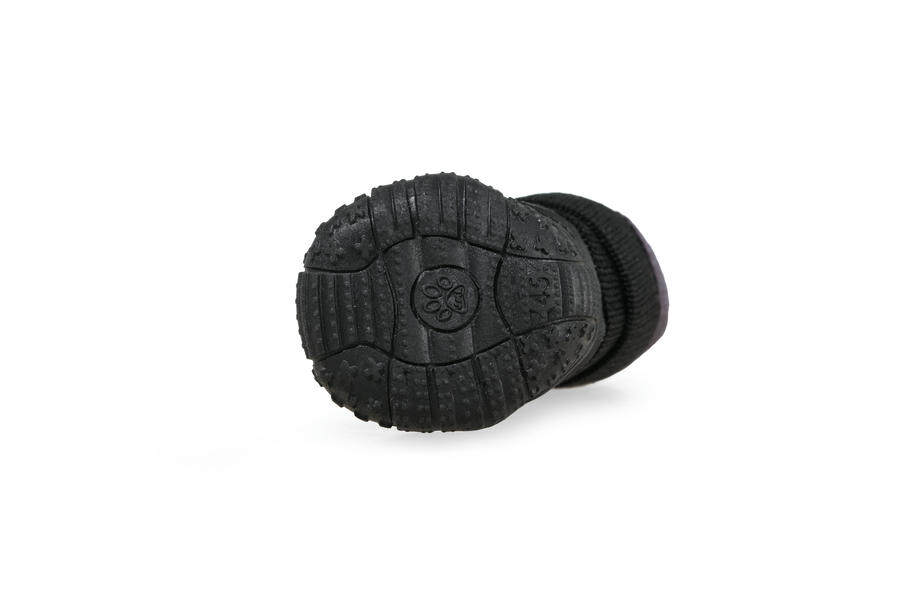
Imagine trying to walk on an ice rink in smooth-soled dress shoes. That is what cheap dog boots feel like to your small pup. Traction is not just a nice-to-have feature. It is absolutely critical for preventing injuries. Small dogs are already prone to luxating patellas and other joint issues. Slip on ice, and you are looking at potential sprains, fractures, or long-term mobility problems. The best snow shoes for small dogs feature rubber soles with deep, multi-directional tread patterns that grip ice, packed snow, and slippery indoor floors. Some advanced designs even incorporate textured rubber that remains flexible in extreme cold. The tread pattern matters too. It needs to channel snow and slush away rather than letting it build up under the paw. The sole should extend slightly up the sides of the boot to protect against sideways slippage on icy curbs and uneven terrain.
How Do You Choose the Right Size for Small Dog Snow Boots?
Why Is Measuring Your Small Dog's Paws More Complicated Than You Think?
Here is where most pet parents go wrong. They measure once, order the size chart recommendation, and wonder why the boots do not fit. Small dog paws are deceptively complex. You need to measure both width and length while your dog is standing, because weight-bearing paws spread wider than lifted ones. But that is just the beginning. You also need to measure the circumference around the widest part of the paw, the leg circumference where the boot shaft will sit, and the height from paw to where you want the boot to end. Different breeds have different paw shapes too. A Dachshund has oval, elongated paws, while a Pug has round, compact ones. The best small dog boots for snow come with detailed, breed-specific sizing guides that account for these variations. You should measure both front and back paws, as many small dogs have slightly different sized front and rear paws.
What Are the Common Sizing Mistakes That Make Boots Fall Off?
Nothing frustrates dog owners more than boots that pop off mid-walk. The most common culprit is ordering based on weight rather than actual paw measurements. A 10-pound French Bulldog has completely different paws than a 10-pound Italian Greyhound. Another huge mistake is not accounting for fur. Small dogs with fluffy feet need boots that accommodate compressed fur, or the boots will be too tight. Conversely, shaving the fur between paw pads without adjusting size leads to boots that are too loose. The closure system matters enormously too. Velcro straps that seem secure in the store can loosen as your dog walks, especially if they are stepping through wet snow. The best snow boots for small dogs feature dual or triple closure systems that keep boots firmly in place without cutting off circulation.
How Can You Test Boot Fit Before Your First Winter Walk?
Before you venture into a snowstorm, you need to do a proper fit test indoors. First, put the boots on and check that you can fit one finger comfortably between the boot shaft and your dog's leg. Any tighter and you are restricting circulation, any looser and snow will get in. Have your dog walk on hardwood or tile floors. Listen for clicking or sliding sounds that indicate the boots are too loose. Watch their gait carefully. Some initial awkwardness is normal, but they should not be dragging their feet or refusing to walk after a few minutes. Check for pressure points by running your finger around the boot edges. Red marks that do not fade within a minute mean the boots are too tight. The best small dog snow boots will have some adjustability built in, allowing you to fine-tune the fit over multiple short training sessions.

Which Features Matter Most in the Best Small Dog Boots for Snow?
Why Is Waterproofing Essential Even for Short Winter Walks?
Waterproofing is not just about keeping paws dry during long snow hikes. It is about preventing the rapid heat loss that happens when moisture meets cold. Wet paws can develop frostbite in minutes, even in temperatures well above freezing. The best snow boots for little dogs use waterproof membranes that allow moisture vapor to escape while blocking liquid water from entering. This breathability is crucial because small dogs' paws do sweat, and trapped moisture creates the perfect environment for bacterial and fungal infections. The seams matter too. Cheaper boots have stitched seams that create tiny holes where water can penetrate. Premium boots use welded or sealed seams that are completely waterproof, ensuring a complete barrier against moisture.
How Do Reflective Elements Enhance Small Dog Winter Safety?
Winter days are short, and many dog owners find themselves walking in darkness during early morning or evening hours. Small dogs are particularly vulnerable because they are harder for drivers to see, especially in snowy conditions where visibility is already compromised. Reflective elements on the best small dog boots for snow are potentially life-saving. The best boots use 360-degree reflective trim that catches light from any angle, not just head-on. Some advanced designs incorporate reflective threading woven throughout the boot material rather than just surface strips, creating a more comprehensive visibility system. Products from manufacturers like Guangzhou Petsun often include multiple reflective zones strategically placed for maximum visibility from all angles, making them a major selling point for safety-conscious pet owners.
What Makes Adjustable Closures Critical for Small Dog Comfort?
Small dogs come in an incredible variety of shapes and sizes, even within the same weight class. An adjustable closure system is an absolute necessity for getting the best snow shoes for small dogs to fit properly. But adjustability means more than just having Velcro straps. The best systems feature multiple adjustment points. One at the ankle to prevent snow entry, one around the mid-paw for secure fit, and sometimes even a toe adjustment for breeds with unusually shaped feet. The quality of the adjustment mechanism matters enormously. Premium boots use industrial-strength hook-and-loop fasteners, reinforced stitching at stress points, and elastic gussets that allow the boot to flex with your dog's natural movement while maintaining a secure seal. Retailers often work with manufacturers offering detailed OEM ODM details to customize these closure systems for their specific market needs.
What Are the Top Picks for the Best Snow Boots for Little Dogs?
Which Boot Styles Work Best for Ultra-Small Breeds Under 10 Pounds?
When you are dealing with dogs in the 2 to 10 pound range, every ounce matters. These tiny companions need boots that provide protection without becoming anchors that drag them down. The best snow boots for small dogs in this category typically weigh less than 2 ounces per boot and use ultra-lightweight materials like ripstop nylon or technical mesh with waterproof coatings. The shaft height is critical too. Too tall and the boot interferes with leg movement. Too short and snow pours in. For ultra-small breeds, a shaft height of 2 to 3 inches usually hits the sweet spot. Companies specializing in small dog footwear, like Guangzhou Petsun, often offer extended size ranges that go down to XX-Small, ensuring even the tiniest pups can find properly fitting protection.
How Do Mid-Size Small Dog Boots Balance Protection and Mobility?
Dogs in the 10 to 25 pound range have different needs than their tinier cousins. They are more likely to be hiking through deep snow or playing in drifts, which means they need boots that can handle more abuse while still allowing natural movement. The best small dog snow boots for this category typically feature reinforced toe caps and heel areas where wear is heaviest, thicker insulation for longer outdoor sessions, and more robust sole construction for traction on varied terrain. But they still need to be lightweight enough that your dog does not feel like they are wearing concrete blocks. Adjustable features are crucial here because these dogs often have more variation in leg musculature, such as a stocky French Bulldog versus a lean Whippet mix.
What Premium Features Justify Higher Prices in Small Dog Snow Boots?
You can find small dog snow boots for a very low price, or you can spend significantly more. What is the real difference? Premium boots justify their cost through superior materials, advanced construction techniques, and features that actually make a difference in real-world use. We are talking about rubber soles that maintain grip in extreme cold, breathable waterproofing, reliable zippers that will not fail mid-walk, and insulation that uses advanced materials instead of basic polyester fill. Premium boots also tend to last multiple seasons, making them more economical over time. For retailers, stocking premium options alongside budget choices allows you to serve different market segments. Many successful pet retailers work with manufacturers through wholesale details programs to offer tiered product lines that meet various price points while maintaining strict quality standards.
How Do the Best Snow Shoes for Small Dogs Protect Against Winter Hazards?
Why Are De-Icing Chemicals So Dangerous for Small Dog Paws?
Road salt, calcium chloride, and magnesium chloride are everywhere in winter, and they are absolutely brutal on small dog paws. It is not just about the immediate burning sensation. These chemicals can cause chemical burns that take days to heal, and when dogs lick their paws to soothe the irritation, they ingest toxins that can cause vomiting, diarrhea, and even kidney damage. Small dogs are at higher risk because their paws are closer to the ground where salt concentration is highest. The best small dog boots for snow create a complete barrier between paws and these hazards. The material needs to be chemically resistant, not just waterproof. Premium boots use materials that resist chemical degradation and are easy to clean, preventing salt crystals from accumulating in seams and continuing to irritate paws.
How Do Snow Boots Prevent Ice Ball Formation Between Paw Pads?
Ice balls are a small dog owner's winter nightmare. Snow accumulates between paw pads, freezes into hard, painful balls of ice, and can actually cut the delicate skin between toes. Small dogs are especially prone because their paw pads are closer together, creating perfect pockets for snow accumulation. The best snow boots for little dogs prevent this problem entirely by covering the entire paw, including the spaces between toes. The ideal boot has a snug, anatomical fit that leaves no gaps for snow entry, with smooth interior surfaces that do not trap moisture. Some premium designs even incorporate moisture-wicking linings that pull any condensation away from the paw, keeping the interior completely dry and eliminating the need for owners to constantly trim fur between pads.
What Protection Do Small Dog Boots Offer Against Sharp Ice and Frozen Debris?
Frozen ground is not just cold. It is dangerous. Ice can form razor-sharp edges, frozen twigs become like spears, and even seemingly smooth surfaces can hide jagged chunks of ice. Small dogs face amplified risks because their lighter weight means less natural pad thickness to absorb impacts, and their shorter legs put their bellies closer to ground-level hazards. The best small dog snow boots feature puncture-resistant soles that can handle sharp objects without compromising. Look for boots with multi-layer sole construction. A tough outer rubber layer for abrasion resistance, a middle layer for puncture protection, and a comfortable inner layer for cushioning. The sole should wrap up the sides of the paw to protect against sideways cuts from ice chunks.
Why Do Small Breeds Need Specialized Winter Footwear?
How Do Body Size and Surface Area Affect Small Dog Cold Tolerance?
Small dogs have a much higher surface-area-to-volume ratio than large dogs. In plain English, they have more skin surface relative to their body mass, which means they lose heat much faster. Their paws are disproportionately vulnerable. Small dog paws have less natural insulation, thinner pads, and less fur coverage than larger breeds. When a small dog stands in snow, their delicate pads are in direct contact with freezing surfaces, and heat drains from their body through those tiny feet at an alarming rate. The best snow boots for little dogs compensate for these physiological disadvantages by providing artificial insulation and creating a barrier against conductive heat loss, all while remaining light enough not to restrict blood flow.
What Unique Challenges Do Short-Legged Breeds Face in Snow?
Dachshunds, Corgis, Basset Hounds, and other short-legged breeds face a winter challenge that taller dogs do not even think about. Their bellies drag through everything. In snow, this means their sensitive abdominal skin is constantly in contact with freezing wetness, ice crystals, and hidden hazards. Even a few inches of snow can soak a short-legged dog's belly, leading to rapid heat loss. The best small dog boots for snow for these breeds need extended shafts that provide more than just paw protection. They need to create a seal high enough on the leg to prevent snow from entering. Understanding these breed-specific needs is crucial for retailers selecting inventory, which is why many work with manufacturers offering comprehensive OEM ODM details to source or create products tailored to these specialized requirements.
How Do Hairless and Thin-Coated Breeds Benefit from Extra Protection?
Chinese Cresteds, Italian Greyhounds, and other hairless or thin-coated breeds are essentially walking icicles in winter. Without a protective fur coat, these dogs lose body heat at an extraordinary rate, and their exposed skin is vulnerable to frostbite, windburn, and cracking. For these breeds, snow boots are essential medical equipment. The best snow shoes for small dogs for hairless breeds need to provide comprehensive coverage, often extending well up the leg to protect as much skin as possible. The interior lining of boots needs to be exceptionally soft, seamless where possible, and made from hypoallergenic materials that will not cause irritation. Premium boots for these breeds often incorporate antimicrobial linings and advanced moisture-wicking technologies to prevent rapid cooling.
What Customization Options Exist for the Best Small Dog Snow Boots?
How Can Retailers Customize Boot Designs for Their Specific Markets?
Not all winter markets are the same. A pet store in Minnesota needs different boots than one in Virginia, and a boutique in urban Seattle has different customers than a rural shop in Colorado. This is where customization becomes a powerful competitive advantage. Through OEM ODM details programs, retailers can work with manufacturers to create boots tailored to their specific climate conditions, customer preferences, and brand identity. Customization can extend to materials, closure systems, sole types, and even packaging. The key is finding a manufacturer like Guangzhou Petsun that offers flexible customization without requiring astronomical minimum order quantities, allowing smaller retailers to differentiate themselves from big-box competitors.
What Branding Opportunities Exist in Private Label Small Dog Boots?
Private labeling is about creating a cohesive brand experience that builds customer loyalty and allows for premium pricing. The best small dog snow boots for private labeling offer multiple touchpoints for branding. This includes embossed or debossed logos on soles, custom woven labels inside the boot, branded hang tags and packaging, and custom color combinations exclusive to your brand. Successful private labeling goes deeper than aesthetics. It is about creating products that embody your brand values. The beauty of working with experienced OEM ODM partners is that they can guide you through the entire process, from initial concept to final production, ensuring your private label boots meet quality standards while staying within budget.
How Do Minimum Order Quantities Affect Small Retailer Customization Options?
Customization costs money, and manufacturers typically require minimum order quantities to make custom production runs economically viable. For small retailers, this can be a significant barrier. However, the landscape is changing. Forward-thinking manufacturers now offer tiered MOQ structures that allow smaller businesses to access customization. You might need to order a larger quantity for a completely custom design, but perhaps a much smaller quantity for simple logo placement. Some manufacturers offer semi-custom options where you choose from existing designs and customize specific elements like colors or sizes. The wholesale details from reputable manufacturers should clearly outline MOQ options, allowing you to plan accordingly and make customization a profitable investment.
How Can Retailers Source Quality Small Dog Winter Boots?
What Should Retailers Look for in a Reliable Small Dog Boot Manufacturer?
Choosing the right manufacturer is make-or-break for your small dog boot inventory. You need a partner who understands small dog anatomy, winter performance requirements, and retail market dynamics. Key factors to evaluate include quality control processes, material sourcing, production capacity, communication responsiveness, and flexibility. Request samples before committing to large orders, and actually test them. Put them on dogs, walk through snow, wash them multiple times, and check for durability. Reputable manufacturers like Guangzhou Petsun welcome this scrutiny because they are confident in their products. A manufacturer's track record with other small dog boot retailers is one of the best predictors of your future success.
How Do Wholesale Programs Support Retailer Success?
A good wholesale program is a comprehensive support system that helps retailers succeed. The wholesale details should include competitive tiered pricing that rewards volume without requiring impossible inventory commitments, flexible reorder policies that let you restock popular sizes quickly, and seasonal programs that help you plan inventory around winter demand. Marketing support like product photography, description copy, and display materials is also invaluable. Some manufacturers even offer consignment programs for new retailers or dropshipping options, letting you offer products on your website without holding physical inventory. The best wholesale partners act as extensions of your business.
What Inventory Strategies Work Best for Small Dog Snow Boot Retailers?
Inventory management for small dog boots is particularly tricky because of the size complexity. You need multiple sizes in stock because customers cannot easily try before they buy. The key is data-driven inventory planning. Analyze your market's breed demographics. If you are in an area with lots of Chihuahuas and Yorkies, stock heavier in the smallest sizes. Track sales data meticulously to identify which sizes sell fastest and adjust accordingly. Consider offering a size exchange program that encourages customers to buy with confidence. Working with manufacturers who offer quick turnaround on reorders can help you maintain leaner inventory while still meeting customer demand, balancing availability with capital efficiency.
How Can We Ensure Perfect Winter Protection for Small Dogs?
Choosing the best snow boots for small dogs is about far more than keeping paws dry. It is about understanding the unique physiological needs of small breeds, the specific hazards of winter environments, and the importance of proper fit and quality construction. Whether you are a pet parent searching for the best small dog boots for snow or a retailer building a winter product line, success comes from attention to detail and commitment to quality.
For small dog owners, remember that the perfect boot balances protection with comfort, warmth with breathability, and security with natural movement. Take time to measure properly, test fit carefully, and train your dog to accept boots gradually. The investment in quality best snow boots for little dogs pays dividends in paw health, comfort, and winter enjoyment for years to come.
For retailers, the opportunity in small dog winter boots is substantial but requires strategic thinking. Partner with manufacturers who offer comprehensive OEM ODM details and flexible wholesale details that match your business model. Stock the best small dog snow boots that combine quality, fit, and features that address real customer needs. Companies like Guangzhou Petsun exemplify the kind of manufacturing partner that can support both ends of this equation, producing high-quality, thoughtfully designed boots that keep small dogs safe and comfortable while offering retailers the support and flexibility they need to succeed.
How Are Dog Shoes Made
Related Article