Is It Bad for Dogs to Wear Shoes
Is it bad for dogs to wear shoes? This is a common question among dog owners who want to protect their pets' paws but are concerned about whether footwear might interfere with natural movement, cause discomfort, or affect paw health. The answer is not simply yes or no. Dog shoes can be beneficial when they are appropriately designed, correctly fitted, and used for suitable activities. However, wearing shoes for too long, choosing the wrong size, or using unsuitable materials can create problems that owners should understand.
Dogs rely on their paws for balance, traction, sensory feedback, and temperature regulation. Their paw pads are naturally adapted to walking, but they are not immune to extreme temperatures, rough terrain, sharp objects, or environmental irritants. Protective footwear can provide an additional barrier in these situations, yet it should never compromise a dog's comfort or freedom of movement.
For pet footwear manufacturers, wholesalers, and retailers, safety is also a major purchasing consideration. Consumers increasingly want to know whether dog shoes are safe, how long their pets can wear them, and what materials are suitable for different conditions. Understanding these concerns can help businesses develop more responsible product designs and clearer customer education strategies.
Guangzhou Petsun is a pet footwear supplier offering products and customization opportunities for businesses exploring the dog footwear category. By understanding the relationship between canine comfort, footwear construction, and practical usage, buyers can make more informed decisions about product selection and market positioning.
Is It Bad for Dogs to Wear Shoes in General?
Are Dog Shoes Safe When They Fit Properly?
Dog shoes are not inherently bad for dogs. When footwear is designed for the dog's paw shape, fits correctly, and is used for an appropriate purpose, it can help protect the paws from environmental hazards. Shoes may be particularly useful when dogs walk on hot pavement, rough trails, snow, ice, or surfaces treated with chemicals.
The key distinction is between protective footwear and footwear that interferes with normal movement. A suitable dog shoe should stay securely in place without squeezing the paw, restricting toe movement, or creating excessive friction. Dogs should also be introduced to shoes gradually so they can become familiar with the unfamiliar sensation.
Owners should remember that a dog shoe is not automatically safe simply because it is marketed as protective. Fit, material quality, construction, usage duration, and environmental conditions all influence whether the product is appropriate for an individual dog.
Can Wearing Dog Shoes Too Often Cause Problems?
Potential problems can arise when dogs wear footwear for extended periods without adequate breaks or when the shoes are unsuitable for their needs. Poorly fitted shoes may rub against the skin, trap moisture, create pressure points, or interfere with natural movement. Shoes made from unsuitable materials may also become uncomfortable in hot or humid conditions.
Another important consideration is that dogs communicate discomfort through behavior rather than words. Repeatedly lifting a paw, refusing to walk, chewing at the shoes, or displaying unusual body language may indicate that something is wrong. These signs should not be dismissed as stubbornness or simply part of the adjustment process.
For manufacturers, this creates a clear product development responsibility. Safety should be considered throughout the design process, from material selection and sizing to fastening systems and product testing. A comfortable shoe should minimize unnecessary interference while providing protection for its intended application.
Is It Okay for Dogs to Wear Shoes Occasionally?
Yes. Occasional use is often a practical approach when footwear is needed for specific conditions. For example, a dog may wear shoes during a winter walk on icy sidewalks, a hike across rocky terrain, or a short walk across hot pavement. Once the dog returns to a safe environment, the shoes can be removed.
This approach allows owners to use footwear as a protective tool rather than treating it as something that must be worn continuously. It also makes it easier to inspect the paws, identify potential irritation, and determine whether the footwear remains suitable.
For retailers and pet product brands, explaining appropriate occasional use helps consumers understand the actual purpose of dog shoes. Clear guidance can reduce unrealistic expectations and support more responsible product use.
How Long Can Dogs Wear Shoes Safely?
How Long Should Dogs Wear Shoes During Their First Training Sessions?
Dogs that have never worn footwear should begin with very short sessions. Initially, a dog may wear one shoe for only a few seconds while receiving treats and positive reinforcement. Once the dog becomes comfortable, the owner can gradually introduce additional shoes and increase wearing time.
Early training sessions should focus on comfort rather than distance or duration. Some dogs may tolerate footwear immediately, while others need multiple sessions to adjust. A dog that remains relaxed for a short period is showing more meaningful progress than one that is forced to wear shoes for several minutes while displaying distress.
For first-time dog owners, a gradual approach helps prevent negative associations with footwear. For pet brands, it highlights the importance of providing clear instructions that explain how to introduce shoes without overwhelming the animal.
How Long Can Dogs Wear Shoes During Regular Walks?
There is no single duration that applies to every dog. A healthy dog wearing suitable footwear for a comfortable outdoor walk may tolerate a different duration from a senior dog, a puppy, or a dog with sensitive paws. Weather conditions, terrain, activity intensity, and the shoe's construction also matter.
Rather than relying on a fixed time limit, owners should monitor the dog's comfort throughout the activity. Check whether the shoes remain properly positioned, whether the dog walks naturally, and whether the paws show signs of rubbing or irritation after removal.
For longer walks, taking breaks to inspect the footwear is a sensible precaution. If the shoes become wet, dirty, excessively warm, or loose, owners should address the issue rather than continuing the activity without adjustment.
Can Dogs Wear Shoes for Several Hours at a Time?
Some dogs may tolerate footwear during extended outdoor activities, but wearing shoes for several hours should not be considered automatically appropriate for every dog or product. Prolonged use increases the importance of fit, ventilation, moisture management, fastening stability, and regular inspection.
Dogs should not be left wearing unfamiliar footwear for long periods without supervision. Owners should introduce longer durations gradually and evaluate how their dogs respond. If the activity involves changing weather or terrain, footwear should be checked more frequently.
From a professional product perspective, extended-wear suitability should be supported by appropriate design evaluation and testing. Suppliers should avoid making universal duration claims because the actual wearing experience depends on the individual dog and conditions of use.
Can Dog Shoes Affect Natural Walking and Gait?
Why Do Dogs Walk Strangely When They First Wear Shoes?
Dogs receive sensory information through their paws, which helps them understand the ground beneath them and adjust their movements. When shoes cover the paws, this familiar sensory experience changes. The dog may respond by lifting its legs unusually high, walking stiffly, pausing, or moving with exaggerated steps.
This behavior is often part of the initial adjustment process. It does not necessarily mean that the shoes are harmful. However, owners should distinguish temporary unfamiliarity from persistent discomfort. If the dog cannot walk naturally after gradual training, the footwear may not be appropriate.
For product developers, natural gait is an important design consideration. Sole thickness, flexibility, shoe weight, opening structure, and fastening pressure can all influence how a dog moves. Products should be evaluated not only for protection but also for their ability to support comfortable, natural movement.
Do Dog Shoes Restrict Paw Movement or Toe Flexibility?
Some dog shoes can restrict movement if their construction is too rigid, too narrow, or poorly matched to the dog's paw shape. Dogs use their toes and paw structures to maintain balance and adapt to different surfaces. Footwear that prevents natural movement may make walking more difficult.
Flexible materials and appropriately designed soles can help reduce unnecessary restriction. However, flexibility should be balanced with protection. A shoe intended for rocky terrain may need a more substantial sole than one designed for light indoor use.
Owners should observe whether their dogs can stand, walk, and turn comfortably. If the footwear consistently changes the dog's gait in an uncomfortable way, the product should be removed and reassessed.
Can Wearing Shoes Affect a Dog's Balance and Traction?
Dog shoes can influence balance because they change the contact between the paws and the ground. A suitable outsole may provide useful traction on certain surfaces, but an unsuitable sole may become slippery or interfere with the dog's ability to stabilize itself.
Traction is particularly important when walking on wet floors, smooth surfaces, snow, or ice. Owners should not assume that all rubber-like soles provide the same grip. Tread pattern, material formulation, flexibility, and surface conditions all influence performance.
For B2B buyers, outsole evaluation should be tied to the intended application. A product designed for urban walking may not perform the same way on hiking trails or icy surfaces. Product selection should reflect these differences rather than relying on a single general-purpose specification.
Can Dog Shoes Cause Paw Health Problems?
Can Dog Shoes Cause Blisters, Rubbing, or Skin Irritation?
Yes, poorly fitted or improperly constructed dog shoes can cause friction and irritation. If the footwear repeatedly rubs against the same area, the skin may become red, sensitive, or damaged. Dogs with delicate paws or existing skin conditions may be particularly vulnerable.
Owners should inspect the paws after wearing shoes, especially during the first several sessions. Pay attention to the toes, areas around the ankles, and any points where straps or seams make contact. If redness, swelling, or persistent irritation appears, discontinue use until the cause is identified.
Manufacturers should consider interior seam placement, lining softness, edge finishing, and pressure distribution during development. These seemingly small details can have a significant effect on comfort and product acceptance.
Can Dog Shoes Trap Moisture and Increase Discomfort?
Moisture can accumulate inside dog shoes during rainy weather, snow, or prolonged activity. A damp interior may increase friction and make the footwear less comfortable. In some situations, moisture and insufficient ventilation can contribute to skin irritation.
Owners should choose materials suitable for the expected conditions and remove wet shoes when appropriate. After use, footwear should be cleaned and dried according to the manufacturer's instructions. Dogs' paws should also be checked and dried before shoes are put on again.
For product developers, moisture management is an important performance consideration. Breathability, water resistance, drying characteristics, and lining materials should be evaluated in relation to the intended application. A product designed for winter protection may require different material properties from a lightweight summer shoe.
Can Wearing Shoes Too Long Affect Paw Temperature Regulation?
Dogs use their paws as part of their normal heat exchange system, although paw pads are only one component of overall temperature regulation. Covering the paws with footwear can change their exposure to the environment and may affect comfort, particularly in warm conditions.
This does not mean that dog shoes are automatically dangerous in summer. Instead, owners should select footwear designed for the environment, avoid unnecessary prolonged use in extreme heat, and monitor their dogs carefully. If the dog appears overheated or uncomfortable, the activity should stop.
For suppliers, temperature suitability should be part of material and product testing. Clear descriptions of seasonal use and limitations help customers understand when a product is appropriate and when another solution may be better.
Are Some Types of Dog Shoes Safer and More Comfortable Than Others?
Are Lightweight Dog Shoes Better for Everyday Activities?
Lightweight dog shoes can be a practical option for everyday activities because they add less weight around the paws. Dogs that are unfamiliar with footwear may find lighter products easier to tolerate, particularly when the shoes are flexible and comfortable.
However, lightweight construction should not come at the expense of necessary protection. A thin sole may be suitable for certain surfaces but inadequate for rough terrain or extreme conditions. Owners should select shoes according to their intended use rather than assuming that lighter is always better.
For wholesalers, lightweight products may appeal to customers seeking daily walking footwear or warm-weather options. When evaluating products, buyers should consider both comfort and the protection level appropriate for the target market.
Are Flexible Dog Boots Better for Natural Movement?
Flexible dog boots can allow more natural paw movement than footwear with excessively rigid construction. They may help dogs adapt to shoes by reducing the feeling of having their paws restricted. Flexibility is particularly relevant for active dogs that need to move across different surfaces.
Nevertheless, a flexible shoe must still maintain its shape and provide suitable protection. Excessive softness may reduce stability or durability, depending on the application. Product design should balance flexibility, structural support, traction, and wear resistance.
For manufacturers and buyers, flexibility should be assessed in practical movement tests rather than judged by hand feel alone. The product must perform under realistic conditions while remaining comfortable for the dog.
Are Dog Shoes With Adjustable Straps More Secure?
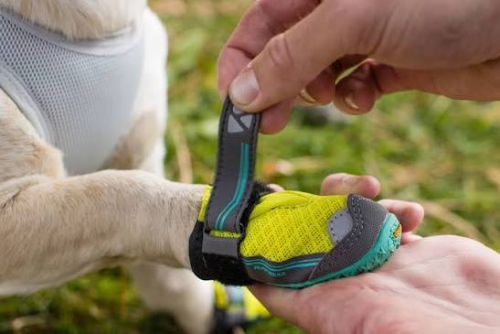
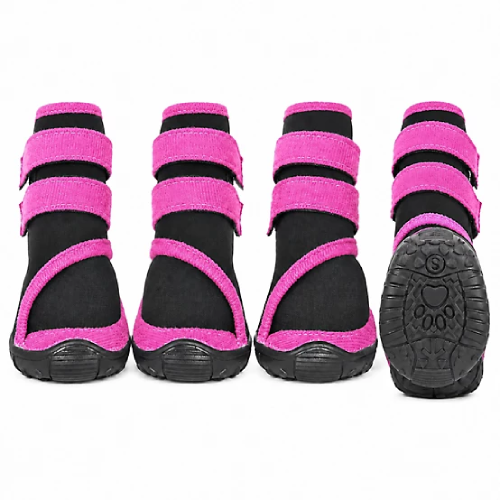
Adjustable straps can help owners adapt the fastening to different paw shapes and achieve a more secure fit. This can reduce the likelihood of footwear slipping or rotating during movement, which is particularly important for active dogs.
However, secure fastening does not mean excessive tightening. Straps should hold the shoes in place without creating pressure or discomfort. Owners need clear instructions about how to adjust the fastening correctly.
From a B2B perspective, fastening design affects both product performance and ease of use. Buyers should evaluate strap material, closure reliability, adjustability, durability, and application convenience when comparing dog footwear options.
Are Soft Dog Shoes or Socks Safer for Sensitive Paws?
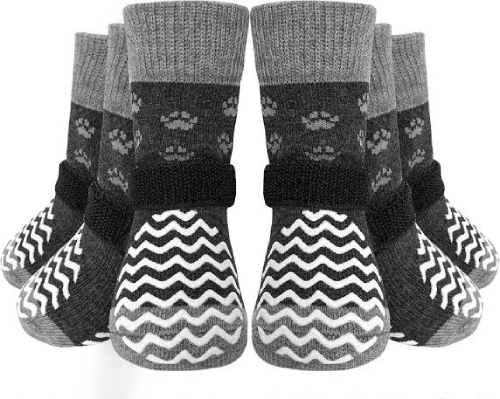
Soft dog shoes and protective socks may be suitable for certain dogs that find rigid footwear unfamiliar or uncomfortable. Their flexible construction can provide a gentler wearing experience for selected indoor activities or light protection needs.
However, soft footwear may not offer sufficient protection against sharp objects, extreme temperatures, or rough outdoor terrain. It may also provide less traction or durability than structured dog boots. Owners should understand these limitations before selecting a product.
For retailers, soft footwear represents a distinct product category rather than a direct substitute for every type of dog boot. Explaining the difference helps customers choose products according to their actual needs.
How Do Different Dog Shoe Materials Affect Safety and Comfort?
Is Breathable Mesh Suitable for Dogs Wearing Shoes in Summer?
Breathable mesh can be useful in warm-weather dog footwear because it allows air to circulate more easily than some dense materials. It may help reduce the feeling of excessive heat and provide a lightweight wearing experience.
However, mesh does not automatically provide adequate protection from moisture, sharp objects, or abrasion. Its suitability depends on the construction, mesh density, reinforcement, and the shoe's intended application.
For manufacturers, selecting mesh involves balancing ventilation with durability and protective performance. Buyers should evaluate whether the material is appropriate for their target climate and usage scenarios.
Is Neoprene a Good Material for Dog Shoes?
Neoprene is commonly considered for pet footwear because it can provide flexibility, cushioning, and a close-fitting structure. Depending on the design, it may be useful for footwear that needs to balance comfort and protection.
Nevertheless, neoprene characteristics vary by thickness, formulation, and construction. Some designs may retain more heat than others, so the material should be evaluated in relation to climate and wearing duration. A product suitable for one season may not be ideal for another.
For B2B buyers, material evaluation should include comfort, flexibility, durability, moisture behavior, and intended use. The name of a material alone is not enough to determine product performance.
Are Rubber Soles Safe for Dogs' Natural Walking?
Rubber and rubber-like materials are commonly used in dog footwear soles because they can provide traction, flexibility, and protection. However, the performance of a sole depends on its formulation, thickness, tread design, and the surface on which it is used.
A sole that is too thick or stiff may interfere with natural paw movement. Conversely, a sole that is too thin may not provide adequate protection for demanding outdoor conditions. The appropriate balance depends on the intended application.
For suppliers and buyers, outsole materials should be evaluated through practical testing. Traction, abrasion resistance, flexibility, and durability are all relevant when determining whether a product is suitable for its target market.
| Material or Construction | Potential Advantages | Potential Limitations | Typical Applications | Key Evaluation Criteria |
|---|---|---|---|---|
| Breathable Mesh | Lightweight and potentially better ventilation | Protection and durability depend on construction | Warm-weather and light outdoor footwear | Airflow, abrasion resistance, reinforcement |
| Neoprene | Flexible, cushioning, and adaptable to different designs | Heat retention and moisture behavior may vary | Selected outdoor and protective footwear | Thickness, flexibility, fit, seasonal suitability |
| Rubber or Rubber-Like Soles | Potential traction and surface protection | Excessive rigidity or unsuitable tread may affect movement | Walking, outdoor activities, protective boots | Grip, flexibility, abrasion resistance |
| Soft Fabric | Comfortable and flexible for selected applications | May provide limited protection from harsh surfaces | Indoor use and light protection | Softness, fit, durability, cleaning |
| Insulated Construction | Helps provide warmth in cold conditions | May be unsuitable for warm weather or prolonged use | Winter and snow footwear | Thermal suitability, moisture management, comfort |
When Should Owners Remove Their Dogs' Shoes Immediately?
Should Dog Shoes Be Removed if a Dog Starts Limping?
Yes. If a dog begins limping, repeatedly lifting a paw, or refusing to walk while wearing shoes, the footwear should be removed so the owner can inspect the paw and assess the situation. These behaviors may indicate discomfort, incorrect sizing, a foreign object inside the shoe, or another problem.
Owners should not assume that every unusual movement is simply part of the adjustment process. If the dog continues limping after the shoes are removed, or if pain, swelling, or injury is suspected, veterinary evaluation may be necessary.
For product brands, clear safety instructions should emphasize that customers need to stop use when signs of discomfort appear. Responsible guidance supports both animal welfare and long-term consumer trust.
Should Owners Remove Dog Shoes When They Become Wet or Dirty?
Wet or dirty footwear may become less comfortable and may affect traction or fit. Moisture and debris can accumulate inside the shoes, creating friction against the paw. In some situations, the fastening system may also become less secure.
Owners should inspect the shoes during outdoor activities and remove them when cleaning or drying is necessary. Afterward, the footwear should be maintained according to the manufacturer's instructions and checked for damage.
For manufacturers, maintenance guidance is an important part of product documentation. Clear cleaning and drying instructions can help preserve the footwear's performance and reduce avoidable problems during use.
Should Dogs Stop Wearing Shoes if They Show Persistent Stress?
Yes. Persistent stress signals should never be ignored. A dog that repeatedly tries to escape, bites at the footwear, trembles, freezes, or refuses to participate may be experiencing discomfort or anxiety. The owner should stop the session and reconsider the training process and product suitability.
Some dogs may need a slower introduction, while others may not benefit from a particular shoe design. A gradual training program can help, but it should not force a dog to tolerate footwear that remains uncomfortable.
For pet brands, this highlights the value of educational materials that explain how to recognize normal adjustment behavior versus signs that the product should be removed. Customer guidance should always prioritize the dog's well-being.
How Should Dog Owners Choose Safe and Appropriate Footwear?
How Should Owners Measure Their Dogs' Paws Before Buying Shoes?
Accurate paw measurement is one of the most important steps in choosing dog footwear. Owners should follow the manufacturer's measuring instructions and generally measure the paw while the dog is standing and bearing weight. The paw may spread differently when lifted, which can affect sizing accuracy.
Both paw width and length may matter, and the front paws may not be identical to the rear paws. Owners should consult the specific product's size chart instead of assuming that all dog footwear brands use the same measurements.
For businesses, clear sizing information can reduce product returns and improve customer satisfaction. Guangzhou Petsun offers pet footwear products that buyers can review when evaluating different styles and sizing options for their target markets.
How Should Owners Match Dog Shoes to Weather and Activity?
Different activities require different footwear characteristics. Summer walking may prioritize lightweight construction and ventilation. Winter footwear may need insulation and protection against snow or ice. Hiking shoes may require stronger soles and greater abrasion resistance.
Owners should consider the surface, temperature, moisture, walking duration, and their dog's physical condition before selecting footwear. A product that is suitable for one environment may not be appropriate for another.
This distinction is equally important for retailers and distributors. Organizing products by usage scenario helps customers understand why different designs exist and reduces confusion when comparing similar-looking products.
How Can Owners Introduce Shoes Without Creating Negative Associations?
Dogs should become familiar with footwear gradually. Start by allowing them to sniff the shoes, then reward calm interactions. Introduce brief paw contact before putting on a shoe, and begin with very short wearing sessions.
Once the dog accepts the footwear, gradually increase the duration and encourage a few steps indoors. Positive reinforcement, patience, and observation are more effective than forcing the dog to wear shoes for a long period immediately.
For brands, this training information can become part of product packaging, online instructions, and educational articles. Helping customers use products correctly is an important component of a positive product experience.
How Can Pet Footwear Suppliers Improve Safety and Comfort Through Product Design?
How Can Product Designers Balance Protection With Natural Movement?
Product designers must balance several competing requirements. A dog shoe needs to protect the paw while allowing sufficient flexibility for natural movement. It should remain secure without creating excessive pressure, provide appropriate traction without becoming too rigid, and offer durability without adding unnecessary weight.
These requirements vary according to the product's intended application. Everyday walking shoes, winter boots, and hiking footwear should not necessarily use identical constructions. Understanding the intended customer and environment is the foundation of effective design.
Guangzhou Petsun provides businesses with opportunities to explore different pet footwear styles and product options through its pet footwear product collection. Buyers can evaluate product categories according to their customers' comfort, protection, and usage requirements.
How Can OEM and ODM Services Support Customized Dog Shoe Development?
OEM and ODM services allow pet brands to develop footwear products that align with their market positioning and product specifications. OEM projects generally involve manufacturing according to the buyer's design and requirements, while ODM projects may include supplier-supported product design and development.
For example, a brand focused on sensitive-paw customers may prioritize soft inner materials, lightweight construction, and easy fastening. A brand targeting winter outdoor activities may need to focus on insulation, traction, and weather-appropriate materials. Customization may also include colors, patterns, logos, packaging, and product specifications.
Guangzhou Petsun offers OEM and ODM customization services for businesses interested in developing their own pet footwear collections. Buyers should communicate their intended application, material requirements, design preferences, target price, sample expectations, minimum order quantity, and production schedule when discussing a project.
How Can Wholesale Buyers Evaluate Dog Shoe Quality Before Placing Orders?
Wholesale buyers should evaluate dog footwear through a structured process rather than relying only on photographs or initial appearance. Important factors include material quality, dimensional consistency, fastening reliability, sole performance, workmanship, and product suitability for the intended application.
Sample evaluation can help buyers identify whether a shoe is easy to put on, stays securely in place, and provides appropriate flexibility. Product testing should reflect realistic use conditions and the expectations of the target customer segment.
For businesses seeking ready-to-order products or wholesale sourcing options, Guangzhou Petsun provides information through its in-stock and wholesale services. Buyers can discuss available products, order requirements, and sourcing arrangements based on their business needs.
How Can Customer Education Reduce Dog Shoe Safety Concerns?
Many consumers are interested in dog shoes but remain uncertain about how to use them correctly. Questions about wearing duration, paw health, natural movement, and suitable materials can influence purchasing decisions.
Brands can address these concerns through practical educational resources. Articles, size guides, product instructions, and training checklists can explain how to introduce footwear, recognize discomfort, inspect paws, and choose appropriate products for different environments.
For B2B companies, educational content also creates opportunities to improve search visibility and build topical authority. Guangzhou Petsun can support this type of information journey through its news and educational content section, connecting product discovery with practical guidance for pet owners and industry buyers.
What Is the Difference Between Safe Dog Shoe Use and Overuse?
What Are the Signs That a Dog Is Comfortable Wearing Shoes?
A comfortable dog generally maintains relaxed body language and moves without persistent hesitation. The shoes remain properly positioned, the dog can stand and walk naturally, and there are no obvious signs of rubbing or irritation after removal.
Comfort should be evaluated throughout the activity rather than only at the moment the shoes are put on. A dog may initially accept footwear but become uncomfortable after walking for a longer period or across a different surface.
Owners should treat comfort as an ongoing assessment. Regular observation is more useful than assuming that a dog has permanently adapted after a few successful sessions.
What Are the Signs That a Dog May Be Wearing Shoes for Too Long?
Potential warning signs include repeated paw lifting, excessive chewing at the footwear, abnormal walking, visible rubbing, redness, dampness, or reluctance to continue moving. These behaviors may indicate that the shoes are no longer comfortable or that the product is unsuitable for the current conditions.
Owners should remove the shoes and inspect the paws. If symptoms persist or there are signs of injury, professional veterinary advice may be appropriate. A dog should never be expected to tolerate discomfort simply because the footwear is intended to be protective.
For product manufacturers, these warning signs should inform product instructions and design evaluation. A responsible supplier should provide clear guidance on proper use, limitations, and the importance of monitoring the dog's comfort.
How Can Owners Establish a Safe Dog Shoe Wearing Routine?
A safe routine begins with identifying when footwear is genuinely needed. Owners should select a product that matches the dog's paw measurements and the intended environment, introduce it gradually, and monitor comfort during each session.
For outdoor activities, the shoes should be checked periodically for fit, moisture, debris, and damage. After use, owners should remove the footwear, inspect the paws, and clean or dry the shoes as appropriate. If the dog shows signs of discomfort, the routine should be adjusted.
This approach helps owners treat dog shoes as a practical protective tool rather than a permanent requirement. The goal is to protect the paws while preserving comfort, natural movement, and overall well-being.
Is It Good for Dogs to Wear Shoes? What Is the Final Recommendation?
Dog shoes are not inherently harmful, but they are not necessary for every dog or every situation. Properly designed, correctly fitted footwear can provide valuable protection against hot pavement, snow, ice, rough terrain, road salt, and other environmental hazards. However, inappropriate footwear, excessive wearing duration, and poor fit can create discomfort or interfere with natural movement.
The safest approach is to evaluate the individual dog, the environment, and the purpose of the footwear. Introduce shoes gradually, prioritize comfortable materials and appropriate sizing, and monitor the dog's behavior throughout use. Remove footwear whenever there are signs of distress, irritation, or abnormal movement.
For pet brands, wholesalers, and retailers, consumer concerns about safety and comfort should directly inform product selection and development. Lightweight construction, flexible soles, suitable materials, secure fastening systems, accurate sizing, and clear instructions can all contribute to a better customer experience.
Guangzhou Petsun offers pet footwear products, OEM/ODM customization opportunities, and wholesale services for businesses exploring this category. By combining responsible product design with practical customer education, suppliers and retailers can help dog owners make informed decisions and develop greater confidence in protective pet footwear.
Do Dogs Need Shoes Guide for Dog Owners
Related Article