Anatomy of a Dog Shoe: A Complete Guide to Components, Materials, and Construction
author: Gigi
2026-10-19
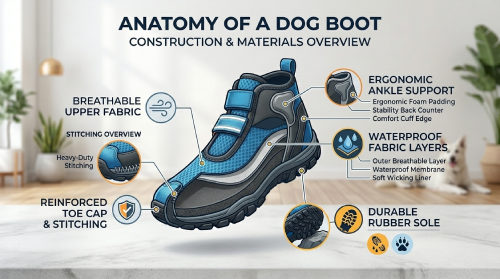
A dog shoe may look simple, but its performance depends on the interaction of multiple materials, structural components, and manufacturing processes. Understanding dog shoe anatomy helps identify quality differences, reduce product returns, and communicate customization requirements more accurately.
Chapter 1. What Is the Anatomy of a Dog Shoe and Why Does It Matter to B2B Buyers?
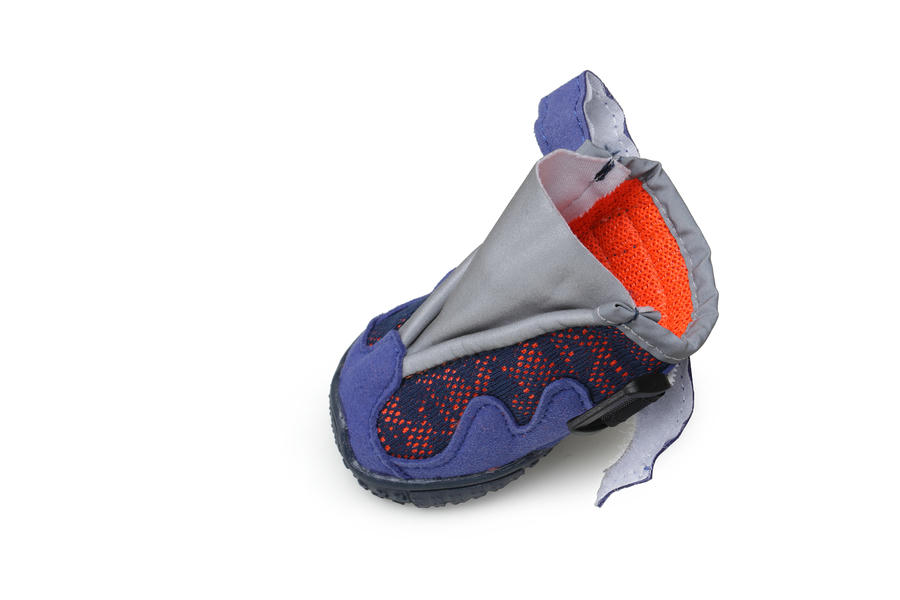
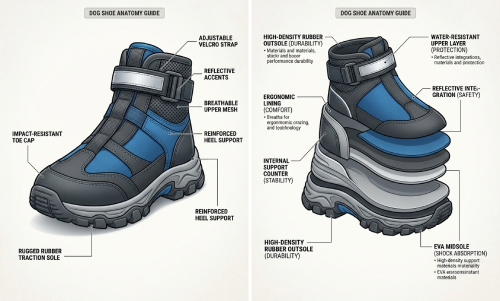
A typical dog shoe parts are an upper, outsole, lining, fastening system, stitching, and sometimes reinforcement panels, insoles, or waterproof membranes. Each component serves a different purpose, but none works independently. A flexible upper paired with a rigid sole may restrict movement, while a thick lining can make an otherwise correctly sized boot uncomfortable.
The purpose of dog shoe construction is to balance protection, flexibility, fit, durability, and manufacturing cost. The ideal configuration depends on the target application, whether it involves hot pavement, snow, rain, rough terrain, or everyday paw protection.
For B2B buyers, the most important question is not simply which materials a manufacturer uses, but how those materials perform as an assembled product.
Guangzhou Petsun, established in China in 1999, specializes in high-quality pet shoes. Its business focuses on dog shoe design, production, and wholesale, with an emphasis on quality, innovation, customer satisfaction, and environmental responsibility. Understanding the relationship between product requirements and component selection is a useful starting point when discussing customized footwear with a manufacturer.
Chapter 2. What Are the Main Dog Shoe Parts and How Should Buyers Select Materials?
1. Upper Material: How Do Fabric Choice and Panel Design Affect Protection?
The upper covers dog shoe parts the paw and lower leg, protecting against dirt, moisture, abrasion, and environmental exposure. Common materials include polyester, nylon, coated textiles, mesh, and neoprene.
Nylon and polyester fabrics offer different combinations of strength, weight, and abrasion resistance. Coatings can improve water resistance, while mesh supports ventilation in lightweight footwear. Neoprene provides cushioning and flexibility but may retain heat in warm conditions.
Material selection should reflect the intended environment rather than price alone. A winter boot needs different insulation and moisture protection from a breathable summer shoe.
Buyers should specify fabric composition, thickness, flexibility, colorfastness, abrasion requirements, and water-resistance expectations. Panel shape also matters: poorly positioned seams can create pressure points even when the fabric itself is suitable.
2. Outsole: What Makes a Dog Shoe Sole Durable and Slip Resistant?
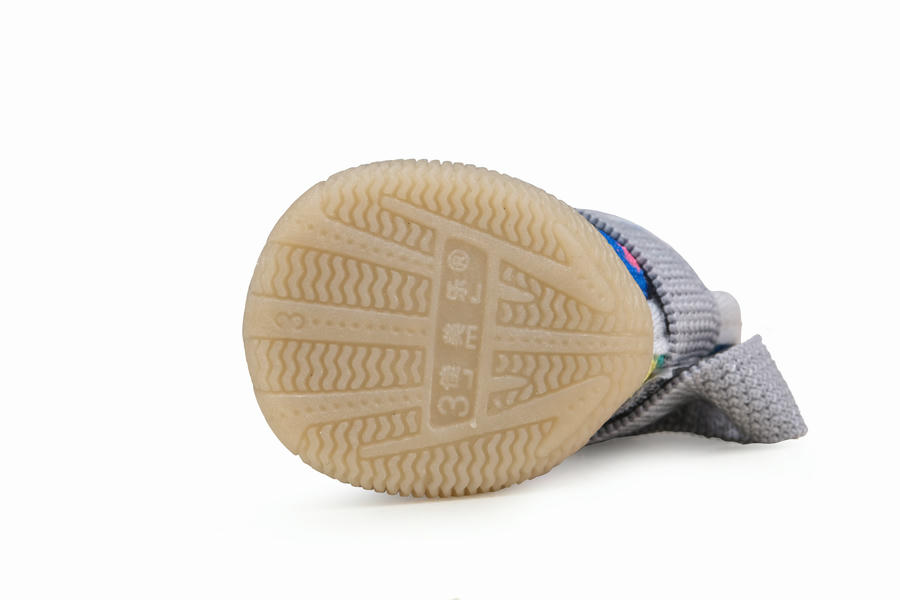
The outsole dog shoe parts influences traction, wear resistance, flexibility, and ground protection. Rubber and thermoplastic elastomers are common choices, depending on the molding process and product requirements.
Tread geometry determines how the sole contacts different surfaces. Grooves may improve grip and help release debris, but traction also depends on compound properties, contact area, surface contamination, and temperature.
An excessively rigid sole can interfere with natural paw movement. An overly thin sole may wear quickly on concrete or gravel. The best dog boot design balances protection with sufficient flexibility for the intended activity.
For custom projects, buyers should define the target surfaces and request appropriate abrasion, flexing, and traction tests. A visually aggressive tread pattern does not automatically guarantee reliable grip on wet floors or ice.
3. Inner Lining and Insole: How Do They Influence Fit and Comfort?
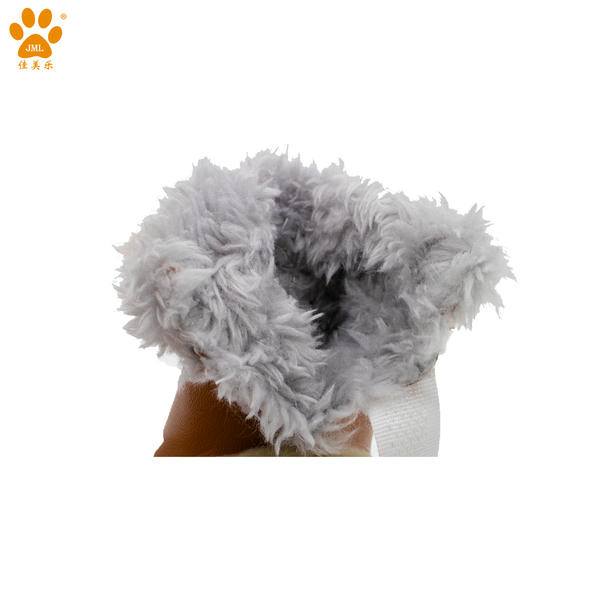
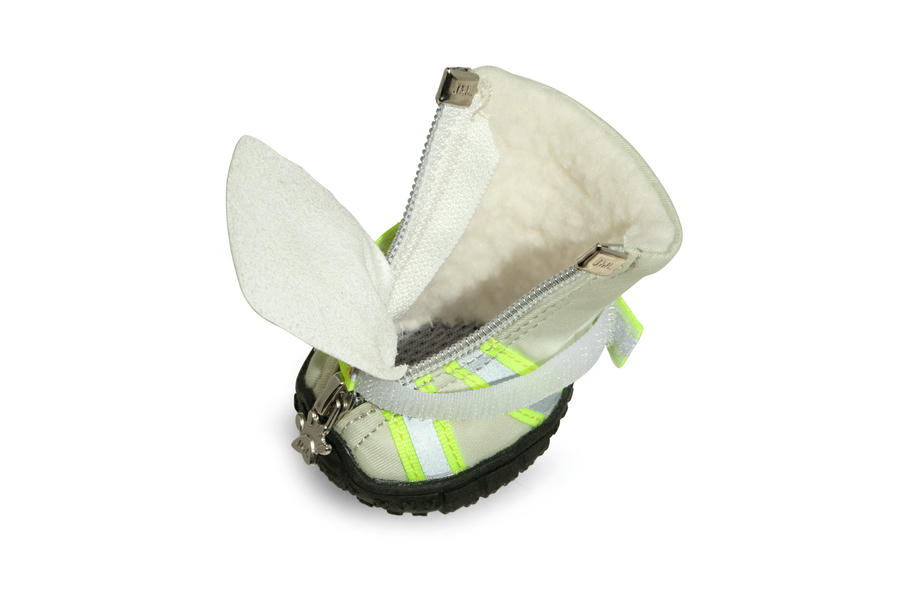
The lining dog shoe parts reduces direct friction between the paw and outer material, while adding cushioning or insulation where required. Fleece is commonly used in cold-weather products, whereas lightweight synthetic textiles may suit warmer conditions.
An insole, when included, can improve internal comfort and help manage the contact between the paw and outsole. However, additional layers increase thickness and reduce usable internal space.
A frequent sourcing problem occurs when manufacturers assess sizing before the lining and insole are installed. The finished boot then becomes too tight, restricting movement or creating pressure around the toes.
Effective dog footwear structure planning therefore requires internal measurements to be checked on the completed product, not inferred from the external dimensions.
4. Closures and Fasteners: How Can Buyers Improve Fit and Ease of Use?
Hook-and-loop straps dog shoe parts are lightweight and easy to adjust. Zippers provide wider openings for easier entry, while buckles can offer more controlled adjustment. Selection depends on the target dog size, boot height, and expected exposure to dirt or moisture.
Common problems include fasteners losing grip, zippers failing under tension, and closures pressing against the leg. During sampling, check fastening strength, operating force, adjustment range, and repeated-use durability.
5. Stitching and Reinforcement: How Can Manufacturers Prevent Premature Failure?
Stitching joins fabric panels and secures straps, but needle holes can weaken coated fabrics or create water-entry points. Thread strength, seam placement, stitch type, and reinforcement patches all affect durability.
The connection between the upper and outsole is another critical area. Adhesive bonding, stitching, or combined methods should be selected according to the material combination and production process. A sound dog shoe construction specification identifies high-stress areas and defines how they will be inspected.
Chapter 3. How Does Dog Boot Design Affect Sizing, Manufacturing, and Quality Control?
1. Why Must Buyers Measure the Finished Boot Instead of Relying on Standard Sizes?
Dog paws vary in length, width, and shape, even among dogs of similar weight. Buyers should provide target paw measurements and specify internal dimensions, opening circumference, and boot height before giving dog boot design.
Front and rear paws may require different sizes. During sample approval, assess whether the boot stays in position during walking and turning without restricting movement. This helps prevent returns caused by slipping, pressure points, or difficult fitting.
2. How Can Material Compatibility Reduce Production Defects?
Different materials of dog shoe parts respond differently to cutting, stitching, heat, and adhesive bonding. A coating may crack during repeated flexing, while an incompatible adhesive can weaken the sole joint. Thick multilayer sections may also create uneven seams.
Dog boot design manufacturers should test the complete assembly rather than approve each material independently. For customized dog shoe components, buyers should document material specifications, colors, dimensions, approved samples, and acceptable defect limits before mass production.
3. Which Quality Tests Matter Most for Wholesale Dog Shoes?
A practical inspection plan should include dimensional checks, seam inspection, sole adhesion, closure-cycle testing, abrasion resistance, and repeated flexing. Water resistance should be evaluated at the assembled-product level if waterproof performance is required.
Testing conditions should reflect the intended application. For example, a winter product needs appropriate low-temperature evaluation, while lightweight outdoor footwear may require greater attention to abrasion and flexibility.
Chapter 4. Industry FAQ: What Should Buyers Clarify Before Customizing Dog Shoes?
Why Do Dog Shoes Come Off Even When the Fastener Is Tight?
The cause may be incorrect sizing, an oversized opening, poor strap positioning, or a boot shape that does not match the paw. Tightening the fastener excessively can create discomfort without solving the underlying fit problem. Buyers should validate sizing and closure geometry together.
Can One Dog Shoe Construction Work for Every Type of Dog Shoe?
Not always. Summer shoes prioritize ventilation and low weight, while winter boots require more insulation and moisture protection. Products for rough terrain may need reinforced uppers and more abrasion-resistant soles. A shared platform can reduce complexity, but each application needs its own performance criteria.
How Can Buyers Reduce Costs Without Lowering Quality?
Standardizing compatible fasteners, simplifying panel patterns, and reducing unnecessary material variations can improve purchasing efficiency. However, replacing a tested sole compound or removing reinforcement may change product performance. Any significant material or structural change should be validated before bulk production.
What Should an OEM Customization Brief Include?
A useful brief identifies the target market, application, size range, upper and lining materials, outsole design, closure type, colors, logo placement, packaging, and testing requirements. Annotated drawings and reference samples help manufacturers understand exact expectations.
A clear understanding of dog shoe parts makes it easier to identify performance priorities, compare supplier proposals, and resolve technical questions before production. For brands developing a customized range, the next step is to prepare a product brief and discuss material options, sample development, and quality requirements with Guangzhou Petsun.
Winter Dog Socks Warm and Cozy Options for Cold Weather
Related Article
Discover winter dog socks, snow socks for dogs, warm insulation, waterproof materials, and anti-slip designs. Explore wholesale, OEM/ODM customization, and B2B sourcing strategies.
Winter Dog Socks Warm and Cozy Options for Cold Weather
Discover winter dog socks made with fleece, wool blends, and non-slip soles. Learn how to choose warm dog socks, compare materials, and source wholesale or custom dog socks for winter.
Which Dogs May Benefit From Wearing Socks During Winter