Best Dog Paw Protection: Keep Paws Safe in All Weather
author: Gigi
2026-09-25
Dog paws face very different risks throughout the year. Hot pavement can create excessive heat exposure in summer, while ice, snow, road salt, and deicing chemicals can irritate paws during winter. Rough trails can cause abrasion, and wet surfaces can increase slipping.
This is why choosing the best paw protection for dogs requires more than selecting a fashionable pair of boots. The right best dog paw protection product needs to match the weather, walking surface, activity level, paw shape, and wearing tolerance of the dog.
What Makes the Best Paw Protection for Dogs Effective in Different Weather?
How should dog footwear protect paws from hot pavement and summer heat?
Summer is one of the most important applications for protective dog footwear. Asphalt and concrete can become significantly hotter than the surrounding air, creating a risk of discomfort or paw pad damage during extended walks.
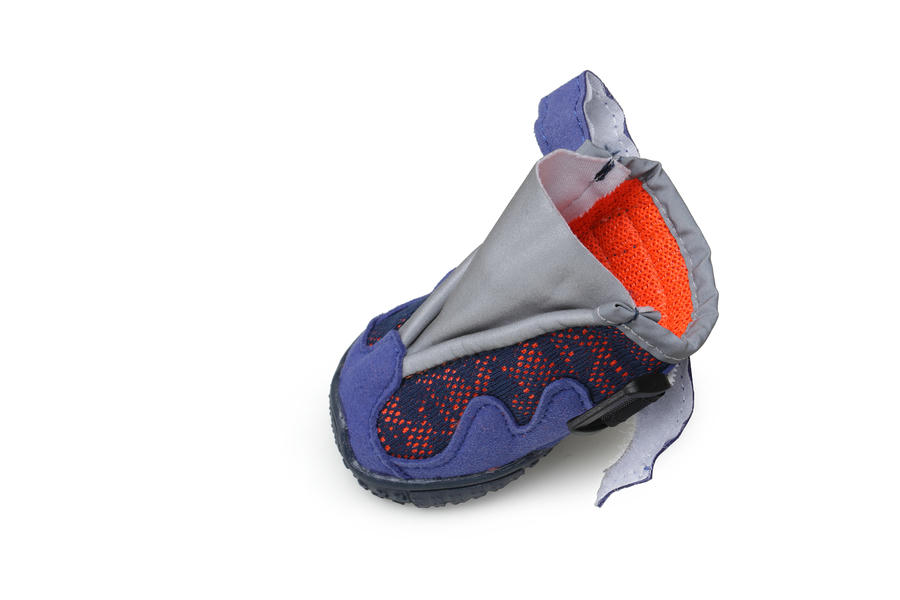
The best paw protection for dogs in hot conditions should combine a lightweight upper with a sole capable of creating a physical barrier between the paw and the ground. Breathable mesh is particularly useful because a completely sealed construction can retain heat and moisture around the paw.
However, lightweight does not mean minimal construction. A summer dog shoe still needs adequate sole coverage, secure retention, and enough abrasion resistance for repeated contact with pavement.
What features matter most for winter salt, snow, and ice?
Winter creates a different set of challenges. Road salt and deicing materials can irritate paw pads, while ice and snow can create cold exposure and collect between toes.
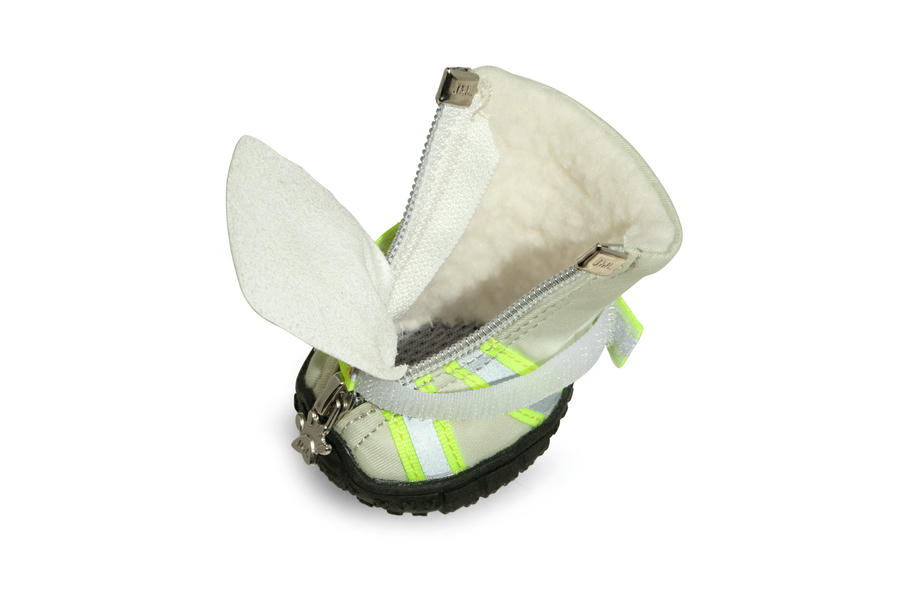
The best paw protection for dogs in winter should therefore focus on water resistance, insulation where necessary, sole traction, and secure coverage around the paw. A higher upper can also reduce the amount of snow and slush entering the shoe.
A common mistake of best dog paw protection is assuming that one construction works equally well for every season. A highly breathable mesh sneaker may be comfortable in summer but provide inadequate protection against deep snow. Conversely, a heavily insulated boot may be unnecessary for short urban walks in mild winter conditions.
The better approach is seasonal product segmentation.
Can casual dog sneakers provide meaningful paw protection?
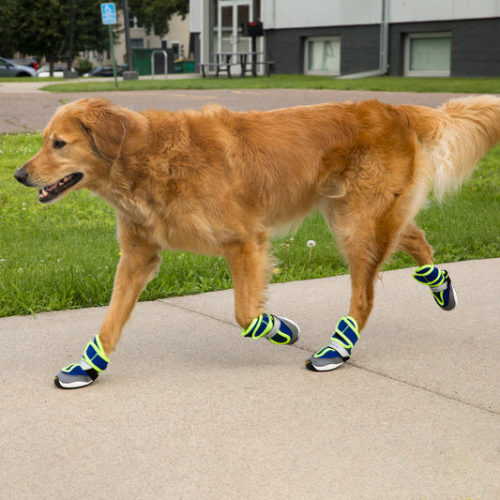
Yes, when their construction of best dog paw protection is designed around the intended application. Casual sneakers can combine textile uppers, flexible soles, adjustable closures, and modern colors while still providing protection from moderate pavement, debris, and slippery surfaces.
Their major advantage is acceptance. A sneaker-like silhouette can appear less bulky than a heavy boot, making it attractive for everyday walking and lifestyle-oriented pet products.
How Should Buyers Choose Comfortable and Durable Dog Shoes?
Why do dog shoes fall off even when the size seems correct?
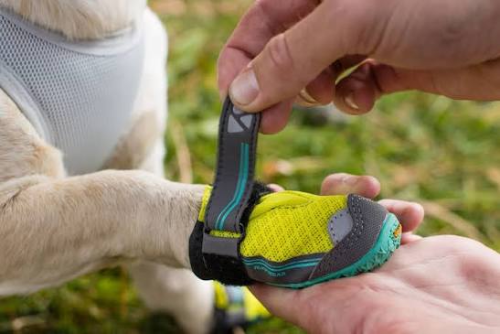
Fit is one of the biggest problems in the dog footwear category. Paw width, paw length, leg shape, dewclaw position, and the way a dog moves all affect retention.
The best paw protection for dogs must remain stable while walking rather than simply fitting correctly when the dog is standing still. A loose opening can allow rotation, while excessive tightening can create uncomfortable pressure.
Size development should also account for differences between front and rear paws. Dogs do not always have identical paw dimensions, so a standardized four-shoe approach may not provide the most precise fit for every breed.
How should comfort be balanced with durability?
This is one of the most important technical decisions in dog footwear development.
A thick rubber sole can provide strong abrasion resistance and traction, but excessive thickness increases weight and may reduce flexibility. A very soft sole can feel comfortable but may wear quickly on concrete or rough trails.
The best paw protection for dogs therefore requires a balance between material hardness, outsole thickness, tread design, upper flexibility, and overall weight.
For casual walking products, flexibility may be prioritized. For hiking products, abrasion resistance and traction may become more important. For premium lifestyle sneakers, manufacturers may need to balance both technical performance and visual design.
Does breathable material always mean better comfort?
Not necessarily. Breathability is only one part of comfort.
A breathable upper can still cause problems if seams rub against the paw, the opening is too tight, or the internal space is poorly proportioned. Manufacturers should therefore evaluate the complete construction rather than promoting a single material feature.
Mesh, knitted fabrics, lightweight polyester, and soft textile constructions can all be considered depending on the target market. The appropriate choice depends on climate, expected activity, price positioning, and durability requirements.
What Dog Shoe Styles Have the Most B2B Potential?
Which dog sneaker styles are suitable for everyday urban walking?
Urban dog footwear has increasingly moved toward sneaker-inspired designs. These best dog paw protection products can use low-profile silhouettes, breathable textile uppers, flexible rubber soles, contrasting colors, reflective details, or minimalist branding.
The best paw protection for dogs in this category should still maintain practical performance. Attractive colors cannot compensate for poor grip, weak stitching, or shoes that repeatedly fall off.
What dog footwear categories should wholesalers consider?
A diversified collection can include lightweight summer sneakers, waterproof casual shoes, rugged outdoor boots, winter protective footwear, and soft indoor traction shoes.
This approach allows distributors to address different consumer problems instead of competing solely on price.
This segmentation also creates more opportunities for repeat purchasing because customers may need different products for different seasons and activities.
How much OEM customization is possible?
OEM customization can extend far beyond adding a logo.
Brands can customize upper materials, colors, patterns, outsole structures, fastening systems, labels, packaging, size ranges, and product combinations. Some buyers may also develop exclusive silhouettes or application-specific constructions.
The best paw protection for dogs from a commercial perspective is therefore not necessarily the most technically complex product. It is the product whose specifications match a clearly defined customer group.
What Should Buyers Check Before Choosing the Best Dog Paw Protection?
What quality problems should wholesalers look for before placing an order?
The best paw protection for dogs should be evaluated through actual functional testing rather than appearance alone.
Fit testing is equally important. Samples should ideally be tested on different dog sizes and paw shapes. A shoe that works perfectly on one breed may rotate or slip on another.
For best dog paw protection products positioned for outdoor use, buyers should also evaluate abrasion resistance and traction on different surfaces. For waterproof products, water resistance should be tested at the seams and closure areas rather than only on the upper fabric.
How should brands reduce customer complaints about sizing?
Clear measurement instructions for best dog paw protection are essential. Weight-based sizing alone is unreliable because dogs with similar body weights can have very different paw dimensions.
The best paw protection for dogs should be supported by accurate size charts based primarily on paw measurements. Buyers should also consider whether front and rear paw sizing needs to be addressed.
FAQ
Q1: Are dog sneakers suitable for all weather?
No. Different constructions for best dog paw protection perform differently in heat, rain, snow, ice, and rough terrain. Product positioning should clearly identify its intended conditions.
Q2: Are boots better than dog sneakers?
Not automatically. Boots generally provide stronger protection, while sneaker-style products can offer greater flexibility, lighter weight, and a more lifestyle-oriented appearance. The appropriate choice depends on the application.
Q3: What is the biggest problem with dog footwear?
Poor fit and poor retention are among the most common problems. Even a durable product has limited value if the dog cannot walk comfortably or the shoe repeatedly comes off.
Q4: What should a wholesaler prioritize when comparing suppliers?
Look beyond unit price. Material specifications, sample quality, MOQ, production consistency, customization capability, packaging, lead time, and quality control procedures should all be considered.
Q5: Is OEM worthwhile for a new pet brand?
OEM can be useful when the brand has a clear target market and product positioning. Starting with an existing construction and customizing selected elements can be more practical than developing every component from scratch.
If you are planning a new best dog paw protection collection, Guangzhou Petsun can be approached to discuss product specifications, wholesale requirements, OEM development, and customization options. Defining the target market, application, price range, and required performance before sampling will provide a stronger foundation for product development and long-term sales.
How to Test Dog Shoe Durability
Best Dog Sneakers: Comfortable Shoes for Long Walks
Related Article
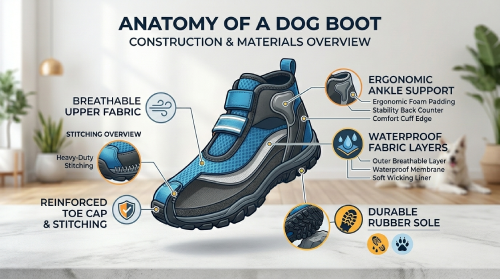
Explore dog shoe anatomy, key components, material selection, construction methods, and OEM customization tips to help B2B buyers source durable, comfortable dog footwear. - Guangzhou Petsun
Anatomy of a Dog Shoe: A Complete Guide to Components, Materials, and Construction
Discover winter dog socks, snow socks for dogs, warm insulation, waterproof materials, and anti-slip designs. Explore wholesale, OEM/ODM customization, and B2B sourcing strategies.
Winter Dog Socks Warm and Cozy Options for Cold Weather