Best Dog Sneakers: Comfortable Shoes for Long Walks
author: Gigi
2026-09-24
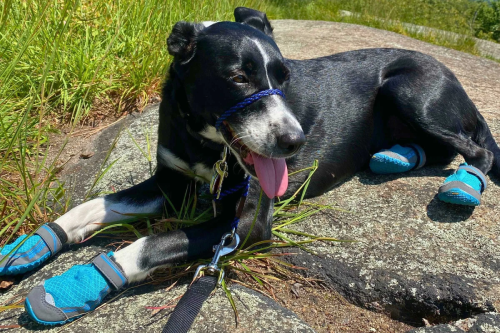
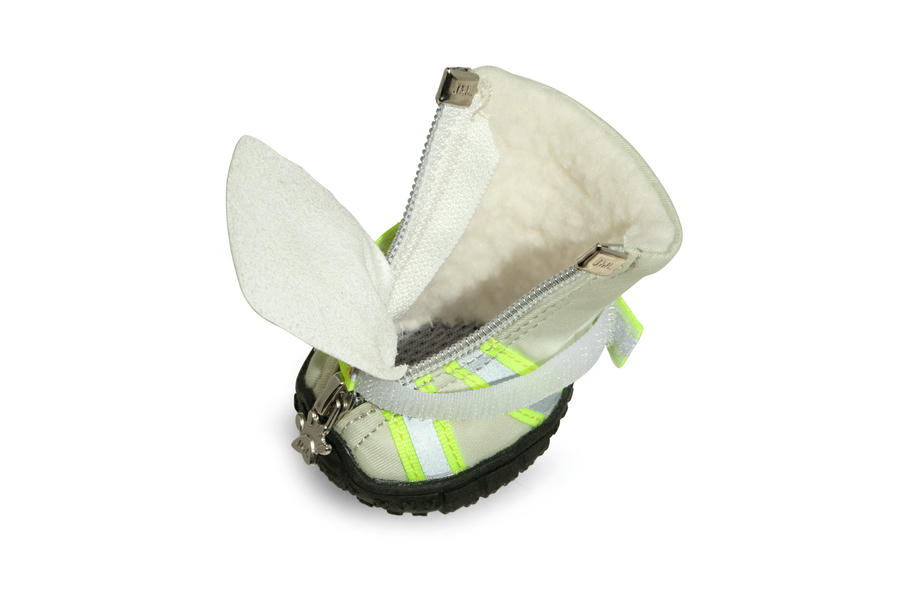
Dog footwear has moved beyond simple protection from snow or hot pavement. Today, dog owners increasingly look for best dog sneakers for long walks that combine paw protection with the comfort, appearance, and functional design associated with everyday sneakers. For pet brands and wholesalers, this shift creates a broader opportunity: dog sneakers can serve walking, travel, outdoor recreation, casual wear, and even lifestyle-oriented pet fashion.
But choosing the best dog sneakers is not simply about finding the most attractive design. A suitable product needs to balance upper material breathability, sole flexibility, traction, weight, fastening security, paw fit, and long-term durability.
What Makes the Best Dog Sneakers Comfortable for Long Walks?
What features should buyers look for in the best dog sneakers for long walks?
Long walks place different demands on dog footwear than short outdoor trips. Repeated paw movement creates friction, while uneven pavement and rough surfaces increase mechanical stress on the outsole. A shoe that feels comfortable for ten minutes may not remain comfortable after an hour.
The best dog sneakers for long walks generally need a flexible construction that follows natural paw movement rather than behaving like a rigid boot. A lightweight upper can reduce fatigue, while a cushioned or padded collar can improve comfort around the ankle.
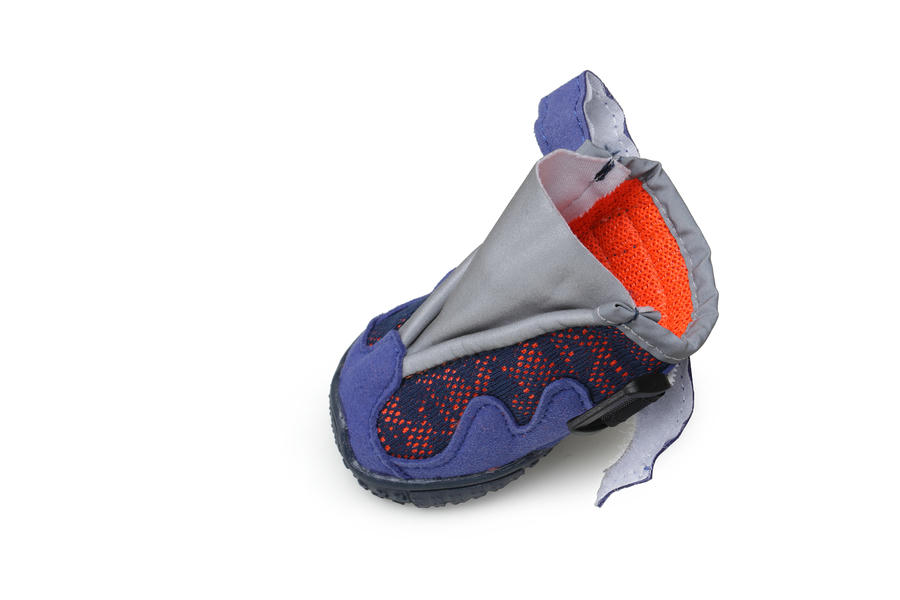
Breathability is equally important. Knitted mesh, micro-mesh, and other ventilated textiles are increasingly used in dog sneaker construction because they allow airflow while keeping the upper relatively lightweight. Current retail products commonly combine breathable mesh with rubber outsoles, adjustable closures, and cushioning for walking applications.
However, breathable fabric alone does not guarantee comfort. Excessive internal seams, poorly positioned reinforcement, stiff edges, or insufficient elasticity can create pressure points.
Does the outsole determine whether dog sneakers are suitable for long walks?
The outsole is one of the most important engineering components. It needs enough abrasion resistance to withstand repeated contact with concrete, asphalt, gravel, or other surfaces, while retaining sufficient flexibility for natural movement.
Rubber is widely used because it can provide both durability and traction. Micro-textured or patterned surfaces can increase grip, particularly when dogs move across smooth indoor floors or uneven outdoor terrain.
Which design is better: athletic, casual, or fashion sneakers?
There is no single ideal style. Athletic-style sneakers generally emphasize lightweight construction, breathable uppers, secure fastening, and traction. Casual sneakers may focus more heavily on appearance, color, pattern, and everyday comfort.
This distinction creates useful best dog sneakers for long walks segmentation for B2B buyers. A brand targeting hiking and active dogs may prioritize functional performance, while a lifestyle pet brand may have more commercial value in streetwear-inspired silhouettes, seasonal colors, and coordinated accessories.
How Do You Choose the Best Outdoor Dog Shoes for Different Activities?
Are the best outdoor dog shoes different from everyday sneakers?
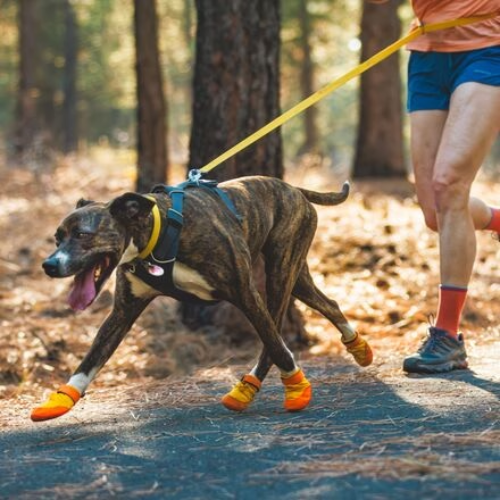
Yes. Outdoor best dog sneakers for long walks generally require stronger protection because the paw may encounter gravel, rough pavement, branches, moisture, or high-temperature surfaces.
The best outdoor dog shoes should therefore be evaluated according to the environment rather than judged only by appearance. Hiking-oriented products may require stronger abrasion resistance and deeper tread. Urban walking shoes may prioritize lightweight construction, traction, and easy cleaning. The best dog sneakers for long walks intended for hot surfaces may need heat-resistant outsole materials and adequate upper ventilation.
Some performance-oriented dog shoes currently combine micro-mesh, water-resistant textiles, reinforced stitching, reflective details, adjustable straps, and rubberized traction surfaces. These best dog sneakers for long walks combinations demonstrate how one product can address multiple outdoor requirements without becoming excessively heavy.
Why do dog shoes often fall off during long walks?
Poor retention is one of the biggest practical problems in dog footwear. A shoe can have a high quality sole and attractive appearance but still fail commercially if it rotates, slips backward, or falls off during movement.
The problem usually involves more than the fastening strap. Paw shape, shoe opening, cuff elasticity, internal volume, closure position, and size selection all influence retention.
For the best dog sneakers for long walks, the closure should provide enough tension to stabilize the shoe without creating excessive pressure around the leg. Hook-and-loop straps are common because they allow users to adjust tightness. Padded collars and structured openings can further improve stability.
How important is weight for active dogs?
Weight becomes increasingly important as walking time increases. A heavy outsole, excessive reinforcement, or thick lining can make a product more protective but less comfortable.
This creates a classic footwear-development trade-off: protection versus mobility. The objective should not be maximum material use. It should be sufficient protection with the lowest practical weight.
What Dog Sneaker Styles and Wholesale Opportunities Are Emerging?
Why are sneaker style dog shoes becoming a lifestyle product?
The visual language of human sneakers has increasingly influenced pet-product design. Knitted uppers, contrasting soles, sporty color combinations, high-top silhouettes, reflective elements, and streetwear-inspired details allow dog footwear to function as both protective equipment and a lifestyle accessory.
This creates an opportunity for B2B buyers to develop different price tiers rather than selling one generic dog shoe.
An entry-level collection can focus on simple canvas or textile construction. A mid-range collection can introduce breathable mesh, improved grip, padded collars, and better fastening. Premium products can combine technical textiles, customized outsole patterns, refined packaging, and distinctive brand aesthetics.
Current retail products demonstrate that consumers are already exposed to best outdoor dog shoes positioned around both functionality and human-inspired sneaker styling.
What should wholesalers consider when developing a dog sneaker collection?
Wholesale buyers should begin with the target application rather than asking a manufacturer to produce a generic “dog sneaker.”
Consider:
Small, medium, and large-breed sizing
Indoor versus outdoor positioning
Casual versus performance styling
Mesh versus canvas or synthetic uppers
Rubber, PVC, or other outsole constructions
Standard versus customized colors
Logo and packaging requirements
Expected retail price
MOQ and repeat-order potential
For a new brand, using an existing shoe construction while customizing colors, branding, packaging, or selected materials can reduce development complexity. A more established brand may justify deeper OEM development, including custom outsole patterns, exclusive materials, new silhouettes, or specialized sizing.
Wholesale best outdoor dog shoes listings also show substantial variation in MOQ and product pricing, reinforcing the importance of comparing complete specifications rather than using a single unit price as a benchmark.
What role does OEM customization play in dog sneaker development?
OEM gives brands an opportunity to differentiate a product without building an entire manufacturing process internally. Customization can cover the upper material, colors, logo, strap, sole pattern, packaging, labels, and size structure.
What Should B2B Buyers Check Before Selecting the Best Dog Sneakers?
What are the biggest quality problems with dog sneakers?
The most common commercial problems are not necessarily visible in product photographs. The best outdoor dog shoes include inconsistent sizing, weak sole bonding, poor strap retention, uncomfortable seams, excessive stiffness, color variation, and insufficient abrasion resistance.
For the best dog sneakers, quality control should therefore cover both appearance and functional performance.
Sample testing should include walking trials, repeated fastening and unfastening, sole-flex testing, abrasion evaluation, washing where applicable, and comparison between different sizes.
A particularly important test is movement retention. The shoe should remain correctly positioned when the dog walks, turns, accelerates, and stops. A shoe that performs well while standing may behave very differently during active movement.
FAQ
How is sizing controlled?
Ask how dimensions are measured and maintained across production batches.
How is the outsole attached?
Bonding quality directly affects durability.
Can the design be customized?
Clarify whether customization covers colors and logos only or extends to materials, soles, patterns, and construction.
What happens after the sample is approved?
The approved sample should become the production reference rather than allowing specifications to change informally.
Are the best dog sneakers suitable for every dog?
No. Dogs differ considerably in paw shape, gait, activity level, and tolerance of footwear. A sneaker designed for urban walking may not be appropriate for demanding hiking conditions.
Should dog sneakers be soft or structured?
Neither extreme is universally preferable. Excessive softness may reduce protection and stability, while excessive structure can restrict natural movement. The appropriate balance depends on the intended application.
How can wholesalers reduce returns caused by poor fit?
Develop clear measurement instructions, offer multiple size ranges, test samples on different breeds, and avoid relying exclusively on weight-based sizing. Paw length and width are often more useful indicators for footwear selection.
Is a premium-looking dog sneaker necessarily a better product?
No. Appearance and performance are separate variables. A visually attractive shoe still needs appropriate materials, secure retention, adequate traction, comfortable construction, and consistent sizing.
The best outdoor dog shoes should ultimately be selected according to where and how they will be used. For brands considering a new best outdoor dog shoes collection, working with an experienced manufacturer such as Guangzhou Petsun can provide a starting point for discussing best outdoor dog shoes specifications, OEM development, wholesale requirements, and market positioning.
Best Dog Paw Protection: Keep Paws Safe in All Weather
Dog Shoe Supplier Checklist
Related Article
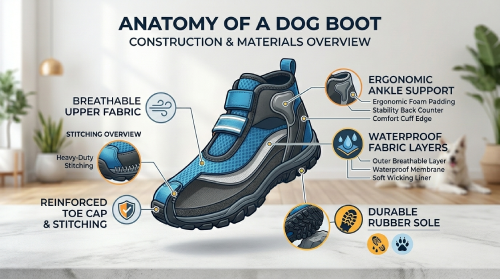
Explore dog shoe anatomy, key components, material selection, construction methods, and OEM customization tips to help B2B buyers source durable, comfortable dog footwear. - Guangzhou Petsun
Anatomy of a Dog Shoe: A Complete Guide to Components, Materials, and Construction
Discover winter dog socks, snow socks for dogs, warm insulation, waterproof materials, and anti-slip designs. Explore wholesale, OEM/ODM customization, and B2B sourcing strategies.
Winter Dog Socks Warm and Cozy Options for Cold Weather