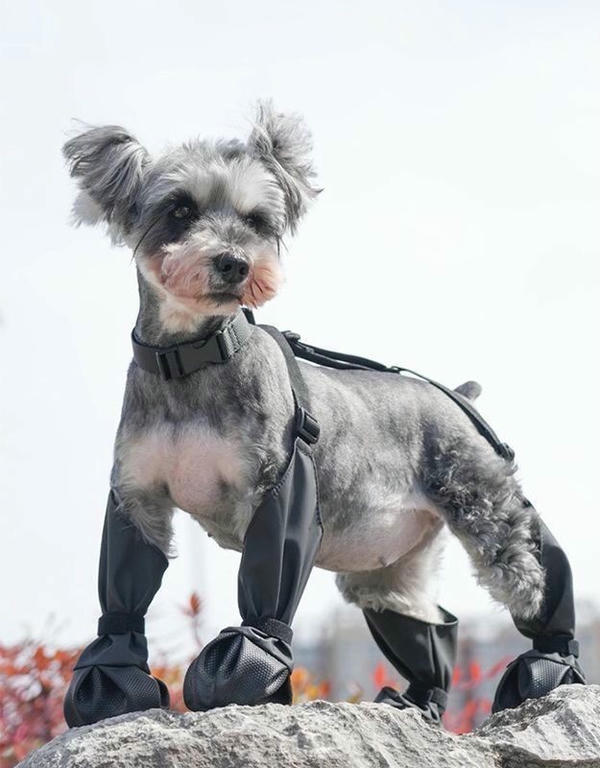
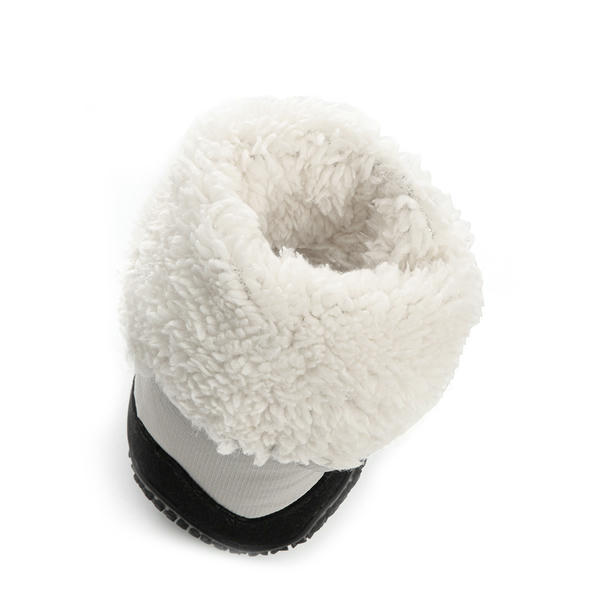
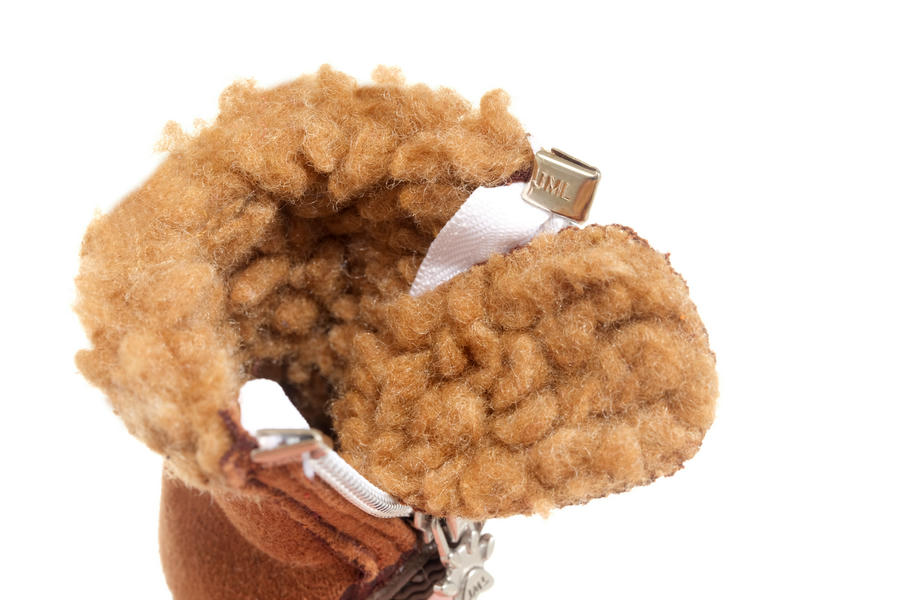
Can Dogs Walk in Snow Without Shoes
Can Dogs Walk in Snow Without Shoes? Safety & Duration Guide
When the first snow falls, many dogs cannot wait to run outside, sniff the fresh snow, and explore their winter surroundings. But before heading out, many owners ask an important question: can dogs walk in snow without shoes? The answer is yes, in some conditions. However, whether a dog can safely walk without boots depends on the temperature, snow conditions, walking duration, breed, age, paw health, and exposure to road salt or other chemicals.
There is no universal number of minutes that every dog can safely spend walking in snow without shoes. A healthy, cold-adapted dog may tolerate a short walk on clean snow, while a small, short-haired, senior, or sensitive-pawed dog may become uncomfortable much sooner. Frozen surfaces, sharp ice crystals, and chemical deicers can also create risks even when the air temperature does not feel extremely cold.
This guide explains how long dogs may be able to walk in snow without shoes, how to recognize early signs of paw discomfort, and how to reduce winter walking risks. It also helps pet retailers, distributors, and private-label brands understand what to look for when sourcing professional dog snow boots. For businesses exploring winter dog footwear, Guangzhou Petsun offers a starting point for researching product options, customization services, and wholesale sourcing through its dog footwear website.
1. Can Dogs Walk in Snow Without Shoes Safely?
Yes, many dogs can walk in snow without shoes for short periods when the conditions are suitable. Healthy paws provide a natural protective barrier, and some dogs are well adapted to cold weather. However, natural protection has limits. Snow can accumulate between the toes, ice can abrade the paw pads, and deicing products may irritate the skin or be harmful if licked off the paws.
The important distinction is between being able to walk in snow and being able to remain in snow safely for an extended period. A dog may appear enthusiastic at the beginning of a walk but develop discomfort as its paws become colder, wetter, or more irritated. Excitement can also make some dogs less likely to stop when they need a break.
What conditions make walking without boots more manageable?
Walking without shoes may be reasonable when the snow is relatively clean, the temperature is not severe, the route is free of sharp ice, and the dog remains comfortable. A short outing on soft snow is generally a different experience from walking for a long time on frozen pavement or ground treated with road salt.
Owners should also consider the dog's experience. A dog accustomed to outdoor activity in cold weather may respond differently from a pet that usually spends most of its time indoors. Even a cold-adapted dog, however, can develop paw problems when exposed to abrasive ice, chemicals, or prolonged cold.
When should a dog wear snow boots instead?
Protective boots become more useful when a dog regularly walks on salted sidewalks, encounters packed or sharp ice, plays in deep snow that collects between its toes, or spends longer periods outdoors in cold conditions. Boots may also help dogs with sensitive paws, although persistent pain or skin irritation should be assessed by a veterinarian.
For pet owners, the goal is to choose protection based on the actual conditions rather than assuming that every dog needs boots or that no dog needs them. For businesses selling dog footwear, this distinction is also important: clear, practical product information is more useful to customers than broad claims that every dog requires the same level of winter protection.
2. How Long Can Dogs Walk in Snow Without Shoes?
There is no scientifically universal time limit for how long dogs can walk in snow without shoes. The safe duration varies with temperature, wind, moisture, snow texture, ground conditions, the dog's size and coat, age, health, activity level, and individual cold tolerance.
Rather than relying on a fixed number of minutes, owners should start with a brief outdoor session and monitor their dog's response closely. If the dog remains comfortable and the conditions are suitable, the outing may be extended cautiously. If the dog repeatedly lifts its paws, begins limping, shivers, or tries to return indoors, the walk should end immediately.
How should owners approach a short winter walk?
For a first walk in snowy weather, choose a familiar, safe route and keep the outing brief. This allows you to observe how your dog responds without committing to a long period of exposure. Check the paws before leaving and inspect them again when you return.
There is no need to wait for obvious injury before going indoors. Repeated paw lifting, reluctance to move, or attempts to avoid the ground can be early signs of discomfort. A dog that appears distressed should not be encouraged to continue simply because the planned walk is unfinished.
Why can the same dog tolerate different amounts of snow on different days?
Winter conditions change throughout the day. Fresh powder, wet snow, compacted snow, icy pavement, and slushy sidewalks create different levels of moisture, friction, and chemical exposure. Wind and dampness can also make conditions more challenging.
A dog that handled a short walk comfortably yesterday may need a shorter outing today if the temperature drops, the wind increases, or the route becomes icy. Owners should evaluate the current environment instead of relying entirely on previous experience.
Can a dog stay outside longer if it is running and playing?
Exercise generates body heat, but it does not eliminate the risk of paw injury or cold exposure. Dogs that are excited by snow may keep running even when their feet are becoming uncomfortable. Frequent breaks and close observation are therefore important during outdoor play.
If you plan a longer winter activity, consider protective footwear when appropriate, choose a route with safe surfaces, and ensure your dog can return to a warm, dry environment promptly. Boots should complement good judgment, not be used to justify unlimited outdoor exposure.
3. What Factors Determine How Long Dogs Can Stay in Snow Without Boots?
The answer to “how long can dogs walk in snow without shoes” depends on several factors working together. Temperature alone cannot determine safety, because a dog's paws may be affected by ice or chemicals even when the air is relatively mild.
How do temperature and wind affect a dog's paws?
Cold air and cold ground can affect a dog differently. The paw pads are in direct contact with the surface, while wind and moisture influence the dog's overall heat loss. Wet fur, slush, and prolonged exposure can make a winter walk less comfortable than a short outing in dry conditions.
General cold-weather charts may provide context, but they should not be treated as universal veterinary safety thresholds. Dogs differ in body size, coat, age, health, and tolerance. If conditions are severe, shorten the walk and consult a veterinarian for advice specific to your dog.
Why do breed, age, and health matter?
Some breeds have thick coats and are adapted to colder climates, while small or short-haired dogs may be less comfortable in winter conditions. Puppies, senior dogs, and dogs with certain health or mobility problems may also need additional care.
Breed is only one consideration. Individual conditioning, previous outdoor experience, body condition, and paw health can influence how a dog responds. A thick coat does not make paw pads immune to freezing surfaces, sharp ice, or deicing chemicals.
How do snow depth and walking surfaces change the risk?
Soft snow may be relatively comfortable for some dogs during short outings, but deeper snow can collect around the toes and form hard clumps. Packed snow can become abrasive, while icy pavement may be slippery and uneven. Hidden stones, frozen debris, and sharp ice can also damage paw pads.
Owners should choose routes carefully and inspect the paws after walking. If the route includes frequent ice, rough ground, or treated sidewalks, boots may provide a useful additional barrier.
Why does a dog's previous winter experience matter?
A dog that regularly walks outdoors in winter may be more familiar with cold surfaces than a dog experiencing snow for the first time. Nevertheless, familiarity does not guarantee protection from frostbite, cuts, or chemical irritation.
Introduce snowy conditions gradually, especially for dogs that usually live in warm indoor environments. Watch the dog's behavior rather than assuming that previous walks prove the current conditions are safe.
4. Can Dogs Get Frostbite on Their Paws When Walking in Snow?
Yes. Dogs can develop cold-related injuries, including frostbite, when exposed to sufficiently cold conditions. The risk depends on temperature, wind, moisture, exposure duration, circulation, and the individual dog's health. Paw pads, toes, ears, and the tail can be vulnerable during severe cold exposure.
Frostbite may not be immediately obvious. Early signs can include unusually cold skin, discomfort, swelling, or changes in color. More serious injury may cause blistering, darkened tissue, or significant pain. Suspected frostbite requires prompt veterinary assessment.
What are the warning signs of cold-related paw injury?
Watch for persistent paw lifting, limping, unusual sensitivity to touch, swelling, pale or discolored skin, or a dog that suddenly refuses to walk. Shivering, weakness, confusion, or marked lethargy can signal a more serious cold-related problem.
If you suspect frostbite or hypothermia, move the dog to a warm, dry place and contact a veterinarian promptly. Do not rub affected tissue or apply direct high heat, because these actions can worsen injury.
Can dog snow boots prevent frostbite completely?
No. Boots may reduce direct contact with cold surfaces, but they cannot guarantee protection from frostbite or hypothermia. Poorly fitted or wet boots may also become uncomfortable, and prolonged exposure can still place the dog at risk.
Use boots as one part of a winter safety plan that includes appropriate outdoor duration, supervision, dry bedding, and access to warmth. When the weather is severe, staying indoors may be safer than relying on footwear.

5. Can Ice Crystals and Frozen Snow Cut a Dog's Paw Pads?
Yes. Although snow often looks soft, frozen surfaces can be rough, sharp, or uneven. Repeated contact with hard ice may irritate paw pads, and sharp frozen material can cause cuts or abrasions. Snow and ice may also become trapped between the toes, creating pressure and discomfort as a dog walks.
The risk is not limited to deep snow or extremely low temperatures. A short walk across rough, frozen ground can be uncomfortable for a dog with sensitive paws or existing skin problems.
How does snow accumulate between a dog's toes?
When snow sticks to the hair around a dog's feet, it can compact into small clumps. As the dog continues walking, these clumps may harden and pull on the hair or press against the skin. Dogs with longer hair between their toes may be especially prone to this problem.
Owners should inspect the spaces between the toes during and after winter walks. Remove loose snow gently, and avoid pulling hard ice away from the skin. If the area is painful, bleeding, or swollen, seek veterinary advice.
Can boots reduce the risk of cuts and abrasions?
Well-fitted boots can provide a physical barrier between the paw and rough surfaces. The level of protection depends on the sole material, thickness, flexibility, and intended use of the footwear. A lightweight boot designed for everyday walking may not provide the same protection as a more robust outdoor design.
For buyers evaluating winter dog shoes, inspect the sole construction, tread, seams, and overall durability. Product descriptions should explain the intended application instead of suggesting that any boot can protect against every possible hazard.
What should owners do if a paw becomes injured?
Stop the walk and examine the paw gently. If there is a cut, persistent bleeding, significant swelling, severe pain, or difficulty walking, contact a veterinarian. Do not assume that a boot alone is sufficient treatment for an injury.
After recovery, discuss suitable protective footwear with your veterinarian if the dog needs to return to snowy or rough outdoor conditions.
6. Can Dogs Walk on Snow Without Shoes When Roads Are Treated With Salt?
Dogs may be able to walk on some snowy surfaces without boots, but treated roads and sidewalks require additional caution. Deicing products vary in composition, and some can irritate paw pads. Salt, grit, and chemical residues can also become trapped between the toes or on the fur around the feet.
Dogs may lick their paws after a walk, which can create an additional exposure concern. If you suspect your dog has ingested a deicing product, contact a veterinarian or an appropriate animal poison service for advice rather than waiting for symptoms.
How can owners reduce contact with deicing chemicals?
Choose untreated routes when practical, avoid visible piles of salt or deicing granules, and consider well-fitted boots for dogs that regularly walk on treated pavement. After returning indoors, inspect and clean the paws as needed, then dry them thoroughly.
Boots can reduce direct contact, but they are not guaranteed to keep all moisture or chemicals out. Check the inside of the footwear after the walk and clean it before reuse.
Should owners rinse their dog's paws after a snowy walk?
Rinsing with lukewarm water can help remove salt and residue when exposure is possible. Dry the paws carefully, including the spaces between the toes. Avoid using very hot water or harsh cleaning products that could further irritate the skin.
If redness, swelling, repeated licking, vomiting, or other concerning symptoms develop after suspected chemical exposure, seek veterinary advice promptly. The appropriate response depends on the substance and the amount of exposure.
Why is this issue important for dog footwear retailers?
Customers in cities with frequent winter road treatment may value boots that are easy to put on, remain secure, and are simple to clean. Retailers can help customers by explaining the intended use of the product and providing practical care instructions.
For wholesalers, it is useful to evaluate sole durability, closure security, material care requirements, and the consistency of product specifications. Clear information helps businesses select products that match the conditions their customers actually encounter.
7. Can Dogs Play in the Snow Without Shoes?
Yes, many dogs can play in snow without shoes when conditions are suitable, but play introduces a different set of considerations from a short, controlled walk. Dogs may run, jump, turn sharply, dig, or bury their noses in the snow. Excitement can cause them to ignore early signs of discomfort.
The safest approach is to supervise play, keep sessions appropriate to the weather, and check the paws regularly. If the snow is deep, icy, contaminated, or especially cold, consider a safer location or protective footwear.
How can owners tell when snow play should stop?
Repeated paw lifting, limping, shivering, reluctance to move, unusual vocalization, or attempts to return indoors are reasons to stop. Some dogs may also begin licking their paws frequently or chewing at snow trapped between the toes.
Bring the dog inside, dry it gently, and inspect the paws. If the dog remains uncomfortable or shows signs of injury, contact a veterinarian.
Does running in snow make dogs less vulnerable to cold?
Physical activity produces body heat, but it does not prevent paw pads from contacting ice, salt, or frozen debris. Running can also increase friction and place additional stress on the feet. Active dogs still need supervision and appropriate limits on outdoor exposure.
Do not use high energy levels as the only indicator of safety. A dog may continue playing enthusiastically even when it would benefit from a break.
Should dogs wear boots for extended snow play?
Boots may be useful for longer sessions or conditions involving ice, rough surfaces, or treated paths. However, the footwear must fit securely and allow natural movement. A boot that repeatedly slips off or causes rubbing may create more problems than it solves.
Introduce boots before a long outdoor session so the dog has time to become accustomed to them. If the dog cannot walk comfortably in a particular design, reconsider the fit or choose a different product.
8. Which Dogs Are More Likely to Need Snow Boots?
Some dogs need more protection than others, but no breed is completely immune to winter paw problems. Coat type, body size, age, health, previous outdoor experience, and the surfaces encountered all influence whether boots are useful.
Do small and short-haired dogs need boots sooner?
Some small or short-haired dogs may be less comfortable in cold weather and may benefit from shorter walks and protective footwear. However, size and coat type alone cannot determine an exact safe duration. Watch the individual dog and respond to the actual weather conditions.
For these dogs, warmth and paw protection should be considered separately. A warm coat may help with body temperature, while boots can reduce direct contact with cold or irritating surfaces.
Do cold-adapted breeds still need winter paw protection?
They may. Thick fur and cold-weather adaptations can improve tolerance of some winter conditions, but they do not eliminate the risks associated with ice, deicing chemicals, sharp frozen surfaces, or prolonged exposure.
Owners of cold-adapted dogs should still check for snow buildup between the toes, inspect the pads after outdoor activities, and avoid assuming that enthusiasm means the dog is completely comfortable.
Do puppies and senior dogs need extra attention?
Puppies may have limited experience with cold conditions, while senior dogs may have mobility or health concerns that affect their comfort. Some dogs with existing skin problems, reduced circulation, or other medical issues may also require special care.
If your dog has a health condition that may affect cold tolerance, ask a veterinarian about suitable outdoor limits and whether protective footwear is appropriate.
Can dogs with sensitive paws benefit from boots?
Yes, a well-fitted boot may help reduce direct contact with abrasive surfaces or deicing products. However, boots should not hide an untreated injury or replace medical care. If a dog repeatedly experiences paw irritation, investigate the underlying cause rather than relying only on footwear.
9. How Can You Tell When a Dog Has Been in Snow Too Long?
Dogs do not always communicate discomfort in ways that owners immediately recognize. Some may whine or limp, while others simply slow down or begin lifting one paw at a time. Learning to recognize early signs can help prevent a manageable discomfort from becoming a more serious problem.
What are the early signs of paw discomfort?
- Repeatedly lifting or shaking the paws.
- Walking more slowly or refusing to continue.
- Limping or placing less weight on one foot.
- Frequently licking, chewing, or biting the paws.
- Trying to turn around or return indoors.
- Visible ice clumps, redness, or irritation between the toes.
These signs do not all indicate the same problem. They may reflect cold discomfort, trapped snow, an injury, an ill-fitting boot, or another issue. Stop the activity, examine the paws gently, and seek veterinary advice when symptoms persist or appear severe.
Which signs require urgent attention?
Severe pain, persistent bleeding, significant swelling, unusual discoloration, weakness, confusion, or signs of serious cold exposure warrant prompt veterinary assessment. If you suspect frostbite or hypothermia, move the dog to a warm environment and seek urgent veterinary guidance.
Do not wait for the dog to become unable to walk before ending a winter outing. Early intervention is often the more practical and humane choice.
How should owners inspect paws after every snowy walk?
Check the paw pads, spaces between the toes, nails, and surrounding skin. Look for trapped ice, grit, cuts, redness, swelling, or signs that a boot has rubbed against the skin. Clean away residue where necessary and dry the paws thoroughly.
If your dog wears boots, inspect the inside of each boot as well. Moisture, debris, or damaged seams can affect comfort during the next outing.
10. How Should Dog Owners Choose Safe Snow Boots?
The best snow boots are not necessarily the thickest or most expensive. They are the ones that suit the dog's paw shape, walking conditions, activity level, and tolerance. A good design should stay in place without excessive pressure, allow natural movement, and offer suitable protection for the intended use.
Why are sole grip and flexibility important?
The sole influences traction, abrasion resistance, and how naturally the dog can move. A sole that is too stiff may make walking awkward, while a smooth sole may provide limited grip on some surfaces. Tread design and material performance should be evaluated for the product's intended application.
No dog boot can guarantee that a dog will not slip on ice. Owners should still choose safe routes, supervise movement, and avoid hazardous surfaces when possible.
How do waterproofing and insulation affect comfort?
Water-resistant or waterproof materials may help reduce moisture entry in wet snow and slush. Insulation may be helpful in colder conditions, but additional bulk can affect flexibility and fit. These features should be balanced against the dog's activity level and local climate.
Buyers should look for accurate material descriptions and ask suppliers to clarify the conditions for which each design is intended. Terms such as “waterproof,” “warm,” and “anti-slip” should not be treated as interchangeable or self-explanatory.
How should owners measure a dog's paws?
Follow the manufacturer's instructions for the specific product. A common method is to place the dog on paper while it is standing, mark the widest part of the paw, and measure the width. Some size charts also require paw length.
Check whether front and rear paws should be measured separately, and use the size chart for the exact model. Sizing can vary between products, so a medium size in one range may not fit the same way in another.
How can dogs get used to wearing boots?
Introduce the boots indoors and allow the dog to inspect them before putting them on. Start with short sessions, use positive reinforcement, and gradually introduce walking. Check for slipping, pressure, rubbing, and unusual gait during each session.
If the dog consistently struggles or appears uncomfortable, do not force prolonged wear. Reassess the size and design, and ask a veterinarian for advice if there are underlying mobility or paw-health concerns.
11. What Should Wholesale Buyers Look for in Professional Dog Snow Boots?
For retailers, importers, distributors, and pet brands, professional dog snow boots need to satisfy both practical and commercial requirements. A product should match the needs of the intended customer, offer clearly described features, and have consistent specifications that can be communicated accurately through product pages and packaging.
Rather than choosing products based only on appearance or unit cost, buyers should evaluate fit, sole construction, closure security, materials, size consistency, care instructions, and the suitability of the design for the target climate.
Which product features matter most for winter markets?
- Appropriate sole construction: Consider flexibility, tread design, and durability for the intended surface.
- Secure closures: Adjustable straps or other suitable fastening systems can help keep boots in place.
- Weather-appropriate materials: Choose materials suited to dry snow, wet snow, slush, or everyday winter walking.
- Clear size specifications: Accurate measurements and fitting instructions support a better customer experience.
- Comfortable construction: The product should allow natural movement without unnecessary pressure.
- Practical care requirements: Clear cleaning and drying instructions help customers maintain the product.
- Consistent quality: Buyers should confirm how dimensions, materials, and construction are checked between production batches.
Why should wholesale buyers request product samples?
Photographs and specifications are useful, but they cannot fully demonstrate fit, flexibility, ease of use, or comfort. Samples allow buyers to inspect the product directly, compare sizes, assess closures, and check whether the construction matches the intended market.
Before placing a large order, document the approved materials, dimensions, colors, branding, packaging, and quality requirements. For customized products, the approved sample should be used as a reference when confirming the production specification.
How can Guangzhou Petsun help buyers explore dog footwear options?
Guangzhou Petsun is a potential starting point for businesses researching dog footwear products and sourcing services. Buyers can review the available styles on the Guangzhou Petsun product catalog and identify products that may suit their target customers.
When evaluating any product, confirm its exact specifications, available sizes and colors, material details, order minimums, and delivery arrangements directly with the supplier. This helps ensure that the selected product meets the requirements of the intended market.
12. How Can Businesses Customize Dog Snow Boots Through OEM/ODM Services?
OEM and ODM services can help pet brands develop dog footwear that aligns with their market positioning. Depending on the supplier's capabilities and the selected product, customization may involve logo placement, colors, materials, packaging, size ranges, or selected design features.
OEM and ODM do not necessarily mean the same thing for every supplier. Buyers should clarify whether they are adapting an existing design, requesting a new product concept, or developing a product that requires new tooling or technical work.
What is the difference between OEM and ODM for dog footwear?
In a typical OEM arrangement, the buyer provides or specifies the product design and requirements, while the manufacturer produces the product according to the agreed specifications. In a typical ODM arrangement, the manufacturer offers an existing design or product-development solution that the buyer may adapt or brand, subject to the supplier's terms.
Actual service definitions, design ownership, customization limits, and intellectual property arrangements vary. Buyers should confirm these details in writing rather than assuming that every supplier uses the terms identically.
Which details should buyers prepare before requesting OEM/ODM production?
A clear project brief can save time and reduce misunderstandings. Include the target customer, intended weather conditions, preferred style, materials, sole requirements, colors, logo artwork, size range, packaging needs, target order quantity, budget, and desired delivery date.
Ask the supplier to explain which requirements can be met using an existing design, which changes require development work, and whether samples or additional tooling costs are involved. Confirm the minimum order quantity and expected timeline before committing to a launch date.
How can buyers review Guangzhou Petsun's customization options?
Businesses interested in private-label or customized dog footwear can review Guangzhou Petsun's OEM/ODM services. The page can be used as a starting point for discussing customization requirements, but specific options, development processes, costs, and lead times should be confirmed directly with the company.
Before approving production, review a final sample and verify logo placement, materials, dimensions, colors, packaging, and agreed product specifications. Keep a written record of the approved details so that both parties have a clear reference for the order.
13. How Can Retailers Source Wholesale Dog Snow Boots Efficiently?
Wholesale sourcing involves more than finding a low unit price. Buyers need to consider the product range, minimum order quantities, stock availability, sizing, quality control, packaging, communication, and shipping. A supplier that provides clear product information can help businesses plan inventory and set realistic expectations for customers.
When are in-stock wholesale products a good choice?
In-stock products may be suitable for retailers that want to test demand, expand an existing assortment, or prepare for a seasonal sales period without beginning a fully customized development project. They can also help businesses evaluate a product category before investing in a private-label design.
However, online product listings do not guarantee that every style, size, or color is currently available in the required quantity. Buyers should confirm stock status, order minimums, packaging, dispatch timing, and shipping arrangements before placing an order.
What should buyers ask before placing a wholesale order?
- Which styles, sizes, and colors are available now?
- What is the minimum order quantity for each product?
- Are mixed sizes or colors allowed within an order?
- What materials and sole constructions are used?
- Are samples available for evaluation?
- What quality checks are performed before shipment?
- What are the packaging, payment, and shipping terms?
- Can branding or packaging be customized?
- What is the process for reporting defects or discrepancies?
Where can businesses find Guangzhou Petsun's wholesale information?
Businesses can explore Guangzhou Petsun's in-stock and wholesale services to learn more about its sourcing options. Confirm the actual inventory, applicable order minimums, pricing, and shipping schedule directly with the company before making purchasing decisions.
For seasonal inventory planning, work backward from the intended sales date and allow time for sample evaluation, order confirmation, transport, customs procedures where applicable, and warehouse receiving. Planning ahead can reduce the pressure of last-minute purchasing when winter demand increases.
How can a business reduce wholesale sourcing risks?
Start with a defined product specification and a realistic estimate of demand. Request samples, verify measurements, confirm order terms in writing, and agree on quality requirements before production or dispatch. If customization is involved, approve the final artwork and product sample first.
Businesses should also distinguish between supplier claims and verified performance. For example, if a product is described as waterproof or anti-slip, ask what that means for the intended conditions and whether supporting test information is available.
14. What Are the Most Common Questions About Walking Dogs in Snow Without Shoes?
Can dogs walk in snow without shoes for a few minutes?
Some dogs can tolerate a short walk on clean snow in suitable conditions. There is no universal safe duration, so monitor the dog's behavior, check the weather and ground conditions, and return indoors if discomfort appears.
How long can dogs walk in snow without shoes in freezing weather?
There is no single time limit that applies to every dog. Freezing temperatures, wind, wetness, ice, and the dog's health can all affect safety. Keep outdoor sessions conservative and seek veterinary advice if your dog has medical conditions that may affect cold tolerance.
Can dogs walk on snow without shoes if they have thick fur?
Yes, some thick-coated dogs can walk comfortably in suitable conditions, but coat thickness does not protect the paw pads from ice, salt, or sharp surfaces. Inspect the paws after outdoor activity and consider boots when the conditions warrant additional protection.
Can dogs play in the snow without shoes if they seem happy?
Many dogs enjoy snow play, but excitement does not guarantee that their paws are comfortable. Supervise the activity, provide breaks, and stop if the dog lifts its paws repeatedly, limps, shivers, or tries to return indoors.
Do all dogs need boots when walking on icy sidewalks?
Not every dog will need boots in every situation, but icy sidewalks create additional concerns, including slipping and paw abrasion. Appropriate footwear may help protect the paws, but no boot guarantees traction on every ice surface. Choose safer routes whenever possible.
Are waterproof dog boots necessary for wet snow?
They may be useful for dogs regularly exposed to slush or wet snow. Buyers should confirm whether a product is water-resistant or waterproof, how its seams and closures are constructed, and whether it provides insulation. These features serve different purposes.
Where can businesses source wholesale dog snow boots?
Businesses can begin by reviewing the Guangzhou Petsun product catalog and its in-stock wholesale services. Confirm current availability, pricing, order minimums, specifications, and shipping terms directly with the company.
Can brands create their own dog snow boot designs?
Depending on the supplier's capabilities and the product requirements, OEM/ODM projects may support branding, packaging, material selection, and other agreed customization details. Businesses can review Guangzhou Petsun's OEM/ODM services and contact the company to confirm the specific options available for their project.
15. How Can You Prepare for a Safer Winter Walking Routine?
A safer winter routine begins before you step outside. Check the weather, select a suitable route, consider whether the ground is icy or treated with chemicals, and decide whether your dog would benefit from protective footwear. Keep the first outings in unfamiliar conditions short enough to observe how the dog responds.
What should you do before leaving home?
- Check the temperature, wind, precipitation, and ground conditions.
- Choose a route with minimal exposure to sharp ice and deicing chemicals.
- Inspect your dog's paws for cuts, redness, or existing irritation.
- Prepare properly fitted boots if the conditions make them useful.
- Bring a towel so you can dry the paws when you return.
What should you do during the walk?
Watch the dog's gait and behavior rather than focusing only on the planned distance. If the dog repeatedly lifts its paws, slows down unexpectedly, limps, shivers, or tries to turn around, stop the outing and return to a warm environment.
For longer activities, take breaks and check for snow accumulating between the toes. Avoid allowing a dog to run unsupervised across unfamiliar icy ground.
What should you do after returning indoors?
Remove the boots if your dog is wearing them and inspect both the paws and the footwear. Gently clean away salt or debris where necessary, dry the paws thoroughly, and allow the boots to dry before their next use.
Check for cuts, swelling, redness, unusual discoloration, or signs of rubbing. Seek veterinary advice if your dog remains uncomfortable or if you suspect a cold injury or chemical exposure.
16. How Can Guangzhou Petsun Support Your Winter Dog Footwear Business?
For pet product retailers, distributors, importers, and private-label brands, choosing the right winter dog footwear supplier is part of building a reliable seasonal assortment. Product selection should reflect the needs of the target market, including local weather, customer expectations, size requirements, price positioning, and preferred sales channels.
Guangzhou Petsun provides an online starting point for businesses researching dog footwear products and related sourcing services. Rather than choosing a supplier based on price alone, buyers should review the product information, confirm the available specifications, and discuss their commercial requirements directly.
How can buyers review available dog footwear products?
Start with the Guangzhou Petsun product catalog to identify styles that may suit your customers. Evaluate the design, materials, sole construction, closures, sizing information, and intended use before deciding which products are suitable for your assortment.
How can businesses explore OEM/ODM customization?
Brands that want to develop a differentiated product range can review Guangzhou Petsun's OEM/ODM service information. Prepare a brief describing the desired design, materials, branding, packaging, size range, expected quantity, and target delivery date. Confirm the available customization scope, sampling process, minimum order quantity, and production timeline directly with the company.
How can retailers explore in-stock wholesale options?
Businesses that want to source existing products can visit Guangzhou Petsun's in-stock wholesale services. Before placing an order, verify current stock levels, size and color availability, pricing, packaging, shipping terms, and any applicable order minimums.
Whether you are exploring standard products or planning a customized dog footwear line, clear product specifications and realistic lead-time planning are essential. A well-prepared sourcing brief helps suppliers understand your needs and helps your business make more informed purchasing decisions.
Can Dogs Walk in Snow Without Shoes, and How Long Is Safe?
Dogs can sometimes walk in snow without shoes, but the safe duration depends on the individual dog and the conditions. Clean snow, mild weather, a short route, and a comfortable dog may make a brief outing manageable. Severe cold, sharp ice, deep snow, wet conditions, and deicing chemicals can increase the need for protection.
There is no single number of minutes that guarantees safety for every dog. Monitor the dog's behavior, keep outdoor sessions appropriate to the weather, inspect the paws regularly, and return indoors at the first signs of discomfort. Boots can reduce contact with some winter hazards, but they do not eliminate every risk or replace supervision and veterinary care when needed.
For pet businesses, demand for winter dog footwear should be approached through thoughtful product selection, accurate descriptions, appropriate sizing, and reliable sourcing. Guangzhou Petsun is a starting point for exploring dog footwear products, OEM/ODM customization, and wholesale options.
Review the dog footwear product catalog, learn about OEM/ODM customization services, or explore in-stock wholesale options to begin evaluating products for your business. Confirm the relevant product specifications and commercial terms directly with the company before placing an order.
What Makes a Dog Shoe Comfortable
Do Dogs Need Snow Boots
Related Article