What Makes a Dog Shoe Comfortable
What Are the Core Elements of Comfortable Dog Shoes?
What Is the True Foundation of Dog Shoe Comfort?
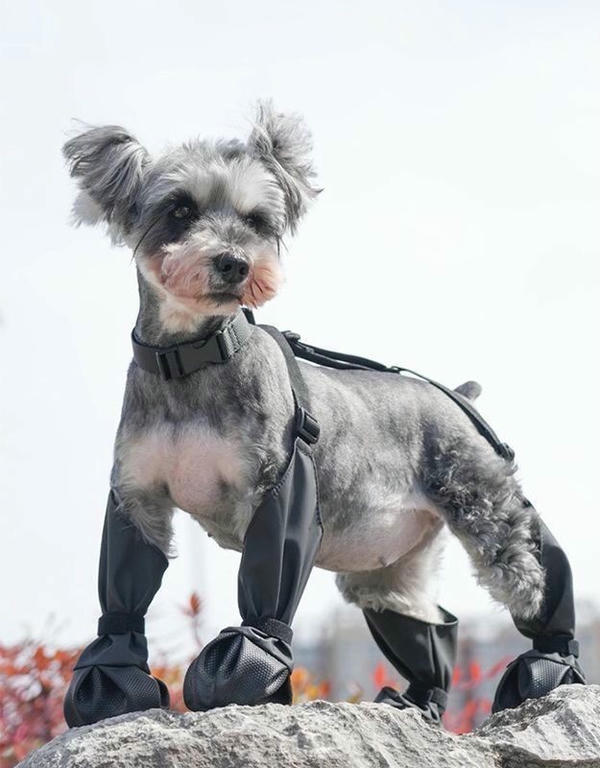
Think about the last time you wore a pair of shoes that pinched your toes or rubbed your heels. Your dog experiences that exact same discomfort, except they can't just kick the shoes off and complain to you. The true foundation of comfortable dog shoes rests on five critical pillars: the softness of the inner lining, the anatomical shape of the insole, the overall weight of the shoe, how well air circulates inside, and the flexibility of the materials. When these elements work together harmoniously, you get a shoe that feels like a natural extension of your dog's paw rather than a foreign, restrictive object. Forward-thinking companies like Guangzhou Petsun have mastered this delicate balance by prioritizing canine biomechanics in every single design decision they make.
Why Does the Psychology of Dog Shoe Acceptance Matter?
Here is something many people completely overlook: a dog's willingness to wear shoes is deeply psychological. If their first experience with footwear is uncomfortable or scary, your dog might develop a lifelong aversion to it. That is why the initial comfort level is so incredibly critical. Dogs are highly sensitive creatures with paw pads that contain numerous nerve endings—far more sensitive than human fingertips. When a shoe presses incorrectly or creates friction, it is not just annoying; it can be genuinely distressing for them. The ultimate key is creating such a seamless, comfortable experience that your dog barely notices they are wearing protection at all.
How Can We Balance Protection with Natural Movement?
The ultimate paradox of dog shoe design is providing maximum protection while maintaining minimum interference. Your dog needs to run, jump, climb stairs, and navigate various terrains just as naturally as they would barefoot. This requires an intricate, empathetic understanding of how dogs move—their unique gait patterns, how their paws flex and extend, and where pressure points naturally occur during different activities. A well-designed shoe enhances their natural movement rather than restricting it. It is exactly like the difference between wearing custom-fitted athletic running shoes versus stiff, ill-fitting work boots. The former enhances performance; the latter severely hinders it.
How Does Lining Material Impact Your Dog's Comfort?
Why Does the Touch Factor of Lining Material Matter So Much?
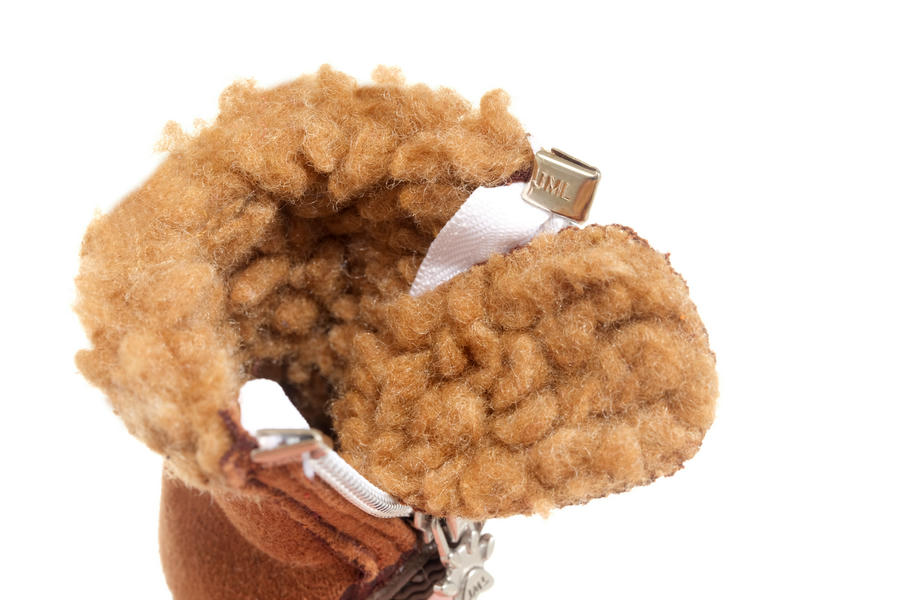
Imagine running your bare fingers across different fabrics—some feel luxurious, soft, and smooth, while others feel rough, stiff, and irritating. Your dog's paw pads are even more sensitive than your hands. The lining material is the first and most constant point of contact between the shoe and your dog's paw, making it absolutely critical to overall comfort. Premium comfortable dog shoes use materials like moisture-wicking technical mesh, soft brushed fleece, or specialized synthetic fabrics that feel incredibly gentle against sensitive skin. These materials prevent chafing, reduce friction burns, and create a cozy environment. Cheap linings, on the other hand, can quickly cause blisters, hot spots, and general irritation.
How Does Moisture Management Keep Paws Dry and Happy?
Did you know that dogs' paws sweat? Yes, really! Just like humans, dogs have sweat glands in their paw pads, and when you enclose those paws in shoes, moisture buildup becomes a very real concern. A damp, sweaty environment is not only deeply uncomfortable but can also lead to bacterial and fungal infections over time. The best lining materials actively pull moisture away from the paw and allow it to evaporate quickly. Think of high-performance athletic socks for humans—the exact same technology applies here. Materials with superior moisture-wicking properties keep the microclimate inside the shoe dry, preventing that gross, soggy feeling that makes dogs want to chew their shoes off immediately.
What Role Does Temperature Regulation Play in Year-Round Comfort?
Your dog's shoes need to work in blazing summer heat and freezing winter cold, which presents a unique manufacturing challenge. In hot weather, the lining should breathe and allow heat to escape, preventing dangerous overheating. In cold conditions, it should provide gentle insulation without creating bulky, awkward layers. Some advanced linings now use phase-change materials or thermal-regulating fabrics that adapt to temperature fluctuations on the fly. The goal is maintaining a comfortable, stable microclimate regardless of external conditions. For manufacturers, this means offering diverse lining options for seasonal products, a strategy expertly employed by Guangzhou Petsun to meet different climate needs and customer preferences globally.
Why Is Insole Curvature Critical for Dog Shoe Comfort?
How Can Insoles Mimic Natural Paw Anatomy?
A dog's paw isn't flat like a human foot—it has a natural arch, digital pads, and a specific curvature that distributes weight and absorbs shock during movement. When you force a naturally curved paw into a completely flat shoe, you are creating unnatural pressure points that can cause discomfort and even long-term joint issues. The insole must mirror the paw's natural shape, providing targeted support where needed while allowing natural flexion. This requires detailed knowledge of canine anatomy across different breeds. Premium manufacturers use 3D scanning and biomechanical analysis to create ergonomic dog shoes that complement, rather than fight against, natural paw geometry.
Why Is Pressure Distribution and Shock Absorption Critical?
Every single time your dog's paw strikes the ground, kinetic forces travel up through their legs to their joints and spine. A well-designed insole acts as a vital shock absorber, dissipating these forces before they can cause micro-damage. This is especially important for older dogs, dogs with arthritis, or those recovering from injuries. The insole should have strategic cushioning in high-impact areas while maintaining enough firmness to provide stability. Materials like memory foam, gel inserts, or specialized EVA compounds provide this perfect balance. The cushioning must compress appropriately under weight but rebound quickly, supporting the natural spring in your dog's step.
What Are the Breed-Specific Considerations for Insole Design?
Not all paws are created equal, and recognizing this is key to manufacturing success. A Great Dane's massive, heavy paw has completely different support needs than a Chihuahua's tiny, delicate toes. Even within the same size categories, breed characteristics matter immensely—sighthounds have narrow, elongated paws, while mastiff-type breeds have broad, round paws. Some breeds have prominent dewclaws that need specific accommodation, while others have unique weight distribution patterns. The best manufacturers offer breed-specific sizing and shaping, or at minimum, provide highly detailed sizing guides that account for these natural variations, ensuring the insole curvature matches the individual dog's anatomy perfectly.
What Role Does Weight Play in Dog Shoe Design?
Why Does the Burden of Extra Ounces Make Lightweight Design Crucial?
Imagine strapping small, heavy weights to your ankles and then trying to run a marathon—that is exactly what heavy shoes feel like to your dog. Dogs are naturally agile, explosive athletes, and even a few extra ounces per paw can significantly impact their movement, energy expenditure, and overall willingness to wear the footwear. Lightweight materials don't just make the shoes more comfortable; they preserve your dog's natural athleticism and prevent premature fatigue. Modern materials like advanced polymers, lightweight technical mesh, and thin but highly durable rubber compounds allow manufacturers to create protective shoes that weigh next to nothing.
How Is Material Innovation Driving Weight Reduction in Dog Shoes?
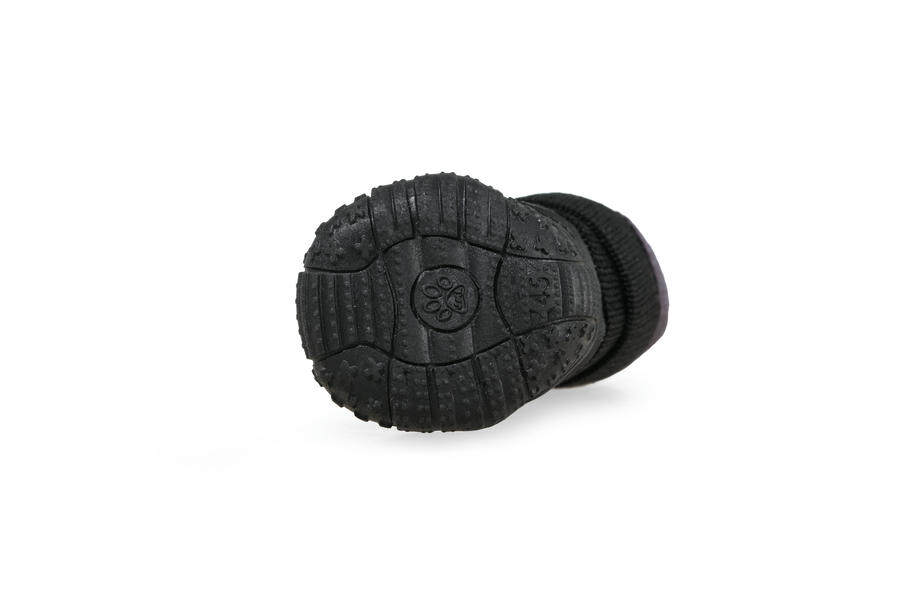
The relentless quest for lighter dog shoes has driven remarkable material innovation in the pet industry. Traditional, heavy rubber soles are being replaced with advanced thermoplastic elastomers (TPE) that offer the exact same level of protection at half the weight. Upper materials have evolved from heavy, stiff canvas to the same technical, breathable fabrics used in top-tier human performance footwear. Even closure systems have been streamlined, replacing bulky metal buckles with sleek, lightweight hook-and-loop straps or elastic tension systems. Manufacturers working with OEM ODM details can collaborate with cutting-edge material suppliers to source the lightest, strongest components available, separating premium dog shoes from basic, clunky protective gear.
How Do We Achieve Balance and Stability in Lightweight Design?
Here is the core engineering challenge: making shoes lighter without making them feel flimsy, cheap, or unstable. Dogs need to feel completely confident in their footing, especially on slippery, wet, or uneven surfaces. The weight distribution matters just as much as the total weight—shoes that are too light in the sole might not provide enough ground feel or traction, while shoes that are top-heavy can throw off your dog's natural balance. The sweet spot is a shoe that feels substantial enough to be genuinely protective, but light enough to be practically unobtrusive. This requires careful, precise engineering of every single component.
How Important Is Breathability in Dog Shoes?
What Is the Science Behind Air Circulation in Breathable Dog Shoes?
Your dog's paws need to breathe just like the rest of their body. Without proper ventilation, shoes quickly become sweaty, smelly ovens that can cause serious discomfort and health issues. Breathability isn't just about subjective comfort—it is a critical factor in preventing bacterial growth, fungal infections, and contact dermatitis. Good breathability comes from strategic, thoughtful design: mesh panels in non-critical wear areas, micro-perforations in the sole, moisture-wicking linings, and materials that allow air to pass through while keeping sharp debris out. Think of it like a well-designed camping tent—it keeps the harsh elements out while allowing fresh air to circulate freely.
How Can We Prevent Heat Buildup During High Activity?
When dogs are active, their core body temperature rises, and their paws generate additional heat through friction and muscle activity. In non-breathable shoes, this heat gets trapped, creating an uncomfortable environment that can actually cause thermal burns or severe blisters. This is particularly dangerous in warm weather or during intense, prolonged exercise. Breathable shoes allow this excess heat to escape, maintaining a safe, comfortable temperature inside the shoe. Some advanced designs even incorporate cooling technologies or reflective outer materials that reduce heat absorption from direct sunlight, making them safer for summer use.
Why Are Odor Control and Hygiene Vital for Long-Term Use?
Let's be completely honest—nobody wants to deal with smelly dog shoes. Beyond being highly unpleasant for the owner, persistent odor indicates active bacterial growth, which can lead to painful infections for the dog. Breathable materials help prevent odor naturally by allowing moisture to evaporate quickly, denying bacteria the damp, dark environment they need to thrive. Some premium linings even incorporate antimicrobial treatments or natural odor-fighting materials like bamboo charcoal or silver ions. Regular cleaning is still necessary, but breathable shoes dry significantly faster and stay fresher between washes, a practical benefit that heavily influences whether pet owners continue using the product.
Why Does Elasticity Matter for a Perfect Fit?
How Do Ergonomic Dog Shoes Accommodate Natural Paw Movement?
A dog's paw isn't a static, rigid object—it flexes, spreads, and changes shape dynamically with every single step. Rigid shoes that don't move with the paw create constant friction, restrict healthy blood circulation, and feel deeply unnatural to the animal. Elasticity in the upper materials and closure systems allows the shoe to expand and contract seamlessly with the paw's natural movement. This is especially important during the push-off phase of the gait when paws naturally spread to grip the ground. Materials with four-way stretch, elasticated side panels, or flexible closure systems accommodate this movement without creating painful pressure points.
How Can We Ensure a Secure Fit Without Restricting Movement?
The eternal challenge of dog shoe design is keeping the shoes securely on the paw without making them uncomfortably tight. Dogs have a natural tendency to shake their paws or chew at uncomfortable footwear, and ill-fitting shoes only make this behavior worse. Elastic elements help solve this problem beautifully by providing a secure, adaptive fit that holds the shoe firmly in place without constant, restrictive pressure. Adjustable straps with elastic sections, stretchy collar materials, and flexible tongues all contribute to a fit that is both highly secure and deeply comfortable. Retailers can explore various closure systems through wholesale details to suit different market needs and paw shapes.
How Do Padded Dog Shoes Adapt to Different Paw Shapes and Sizes?
Even within a single, specific size category, paw shapes vary dramatically from dog to dog. Some dogs have naturally narrow paws, others have wide, splayed paws; some have high insteps, while others have low, flat profiles. Elastic materials provide the necessary forgiveness to accommodate this natural variation without requiring an impossible, overwhelming number of size options. A shoe with good elasticity can comfortably fit a wide range of paw shapes within its designated size range, drastically reducing return rates and increasing overall customer satisfaction. For manufacturers, this means investing in high-quality materials that offer stretch without losing their shape or supportive properties over time.
How Can Manufacturers Optimize Dog Shoe Comfort?
Why Are Research-Driven Design Approaches Essential for Manufacturers?
Creating truly comfortable dog shoes requires far more than guesswork or copying existing designs—it demands a scientific understanding of canine biomechanics, advanced materials science, and real-world user experience. Leading manufacturers actively invest in research partnerships with veterinary professionals, canine physical therapists, and biomechanics experts. They conduct extensive wear testing with diverse breeds and monitor real-world performance across different terrains, weather conditions, and activity levels. This data-driven approach reveals crucial insights that aren't obvious from casual observation alone. Companies committed to excellence, like Guangzhou Petsun, continuously refine their designs based on this empirical feedback, creating products that genuinely improve with each new iteration.
How Does Quality Control Ensure Consistent Comfort?
Comfort isn't just about the initial design concept—it is fundamentally about flawless execution. A perfectly designed shoe loses all its value if quality control is inconsistent or sloppy. Every single seam should be perfectly smooth, every strap should function reliably, and every shoe must match its specified dimensions precisely. This requires rigorous quality control processes, highly skilled craftsmanship, and premium materials that perform consistently batch after batch. Manufacturers must establish clear, uncompromising quality standards and enforce them at every single production stage, from raw material inspection to final packaging. For B2B buyers, this consistency is absolutely crucial for protecting their brand reputation.
How Do OEM ODM Services Provide Custom Comfort Solutions?
Every brand has unique requirements, target demographics, and market positioning. That is why comprehensive OEM ODM details are essential for manufacturers serving the global, competitive pet products market. OEM (Original Equipment Manufacturing) allows brands to produce shoes to their exact, custom specifications, while ODM (Original Design Manufacturing) provides immediate access to proven, comfortable designs that can be easily customized with branding. These services enable brands to differentiate themselves through unique comfort features, proprietary materials, and custom branding without the massive capital investment of building their own manufacturing facilities.
What Should You Look for When Buying Comfortable Dog Shoes?
How Can Buyers Read Beyond Marketing Claims to Find True Comfort?
Virtually every dog shoe on the market claims to be "comfortable," but how do you separate empty marketing speak from tangible reality? Look for specific, verifiable details about materials, construction methods, and design features rather than vague, emotional promises. Does the product description explicitly mention the type of lining material used? Does it explain the anatomical design of the insole? Are there concrete details about breathability features or exact weight specifications? Reputable manufacturers proudly provide this technical information because they are genuinely confident in their product's quality and engineering.
How Can You Understand Your Dog's Specific Comfort Needs?
Not all dogs need the exact same type of shoe, and recognizing this is key to making a smart purchase. An active hiking dog needs entirely different features than a senior dog suffering from arthritis, or a city dog who only occasionally walks on hot summer pavement. Carefully consider your dog's specific lifestyle, existing health conditions, and the exact problems you are trying to solve. Do they need maximum traction on wet surfaces? Extra cushioning for joint pain? Complete waterproofing? The absolute best shoe is the one that perfectly matches your individual dog's unique needs, not the one with the most attractive packaging.
Why Is Proper Sizing and Fit Testing So Important?
Even the most comfortable, brilliantly engineered shoe in the world will fail completely if it does not fit properly. Sizing a dog shoe correctly requires measuring both paw width and paw length, and understanding that sizing conventions vary significantly between different manufacturers. Always refer to the specific brand's detailed sizing chart rather than assuming your dog's size is universal. When the shoes arrive, always do a thorough fit test: check that you can comfortably fit one finger between the shoe and your dog's leg, ensure the paw sits naturally without being compressed, and watch your dog walk to identify any gait abnormalities or hesitation.
How Do Comfortable Dog Shoes Impact Long-Term Paw Health?
How Do Comfortable Dog Shoes Prevent Injuries and Chronic Conditions?
Comfortable dog shoes do far more than just feel good in the moment—they actively protect and preserve your dog's long-term paw health. By providing proper support, consistent cushioning, and reliable physical protection, quality shoes can prevent a wide range of issues, from minor surface abrasions to serious, chronic joint problems. Dogs who walk regularly on hard, unforgiving surfaces like concrete or asphalt benefit immensely from shock absorption that reduces cumulative stress on joints and connective tissues. Even perfectly healthy dogs benefit from proactive protection against cuts, chemical burns, and extreme temperature exposure that can cause immediate injury or long-term sensitivity.
How Do Quality Shoes Support Active Lifestyles and Aging Dogs?
As dogs naturally age, their paws change significantly—pads become thinner and less elastic, joints stiffen, and the healing process takes much longer. Comfortable, supportive shoes can dramatically extend an older dog's ability to enjoy daily walks and outdoor activities by providing the extra support and protection their aging bodies need. Similarly, active working dogs, canine athletes, and adventure companions benefit greatly from shoes that enhance performance while actively preventing overuse injuries. The right shoe acts as proactive, preventive healthcare, reducing the wear and tear that accumulates over years of vigorous activity.
What Is the Economic Value of Investing in Quality Comfort?
While premium, comfortable dog shoes certainly cost more upfront than basic, generic protective gear, they often provide vastly superior long-term economic value. Higher-quality materials last significantly longer, maintain their comfort properties through many more wear and wash cycles, and reduce the likelihood of paw problems that require expensive veterinary care. For retailers and distributors, stocking quality products from reputable manufacturers like Guangzhou Petsun builds lasting customer loyalty and drastically reduces costly return rates. For pet owners, investing in truly comfortable shoes means their dogs will actually wear them consistently, making the purchase genuinely worthwhile.
What Is the Future of Comfortable Dog Shoe Design?
What Emerging Technologies and Materials Are Shaping the Future?
The dog shoe industry is currently experiencing rapid, exciting innovation driven by major advances in materials science, 3D printing, and smart wearable technology. We are already seeing the early development of self-adjusting materials that adapt dynamically to temperature and pressure, antimicrobial nanofibers that keep shoes fresher for much longer, and fully biodegradable materials that drastically reduce environmental impact. Some pioneering companies are experimenting with 3D-scanned custom fits that create shoes perfectly matched to individual dogs' unique paw topographies. Smart sensors embedded discreetly in shoes can now monitor gait, detect early signs of injury, or track daily activity levels, promising a future where dog shoes are more comfortable, functional, and personalized than ever before.
How Is Sustainability Transforming Ethical Manufacturing?
Modern consumers increasingly care deeply about how their products are made, and the pet products industry is absolutely no exception to this trend. The comfortable dog shoes of the near future will be made predominantly from recycled materials, produced in strictly ethical, fair-wage factories, and explicitly designed for end-of-life recyclability. Manufacturers are actively exploring plant-based alternatives, water-based non-toxic adhesives, and carbon-neutral production methods. This shift isn't just about environmental responsibility—sustainable materials often offer superior performance characteristics, like better natural breathability or a softer, more flexible touch. Brands that embrace sustainability while maintaining the highest comfort standards will undoubtedly lead the market.
Why Are Personalization and Customization the Future Trends?
The outdated "one-size-fits-all" approach is rapidly becoming obsolete in the premium pet market. The future of dog shoes lies in deep personalization—products specifically tailored to individual dogs' unique needs, preferences, and anatomies. This might mean custom orthotic insoles for dogs with specific, diagnosed foot problems, adjustable features that safely adapt as puppies grow, or modular designs that allow owners to easily swap components based on the day's activity or weather. Manufacturers offering robust OEM ODM details are perfectly positioned to meet this surging demand, providing brands with the flexibility to offer customized solutions without requiring massive, prohibitive minimum order quantities. As technology makes customization more affordable, personalized comfort will become the industry standard.
Why Should We Prioritize Comfort in Every Step?
Creating truly comfortable dog shoes requires a deep, empathetic understanding of canine anatomy, advanced materials science, and the real-world conditions dogs face every day. From the plush softness of the inner lining to the precise curve of the insole, from intelligent weight distribution to maximum breathability, every single element matters profoundly. For manufacturers, this means relentlessly investing in research, strict quality control, and innovative, user-centric design. For pet owners, it means looking beyond mere price tags and flashy marketing to find shoes that genuinely prioritize their dog's comfort, safety, and long-term health.
Whether you are a brand seeking reliable manufacturing partners through wholesale details or a devoted pet owner searching for the perfect pair for your best friend, remember that comfort is never just a single feature. It is the harmonious, thoughtful integration of multiple design elements working together seamlessly. When done right, comfortable dog shoes simply disappear into the background, allowing dogs to be exactly what they are meant to be: running, playing, and exploring the world with happy, protected paws.
The companies leading this vital field, like Guangzhou Petsun, fundamentally understand that comfort is the absolute foundation of everything. It is the critical factor that transforms dog shoes from a necessary evil into a product that both dogs and their owners genuinely love. And ultimately, that is the true measure of success in canine footwear design.
How Do You Choose the Right Sole for Dog Shoes
Can Dogs Walk in Snow Without Shoes
Related Article