How Are Dog Shoes Made
What Are the Initial Design and Development Stages?
How Do Designers Create Functional Dog Shoe Prototypes?
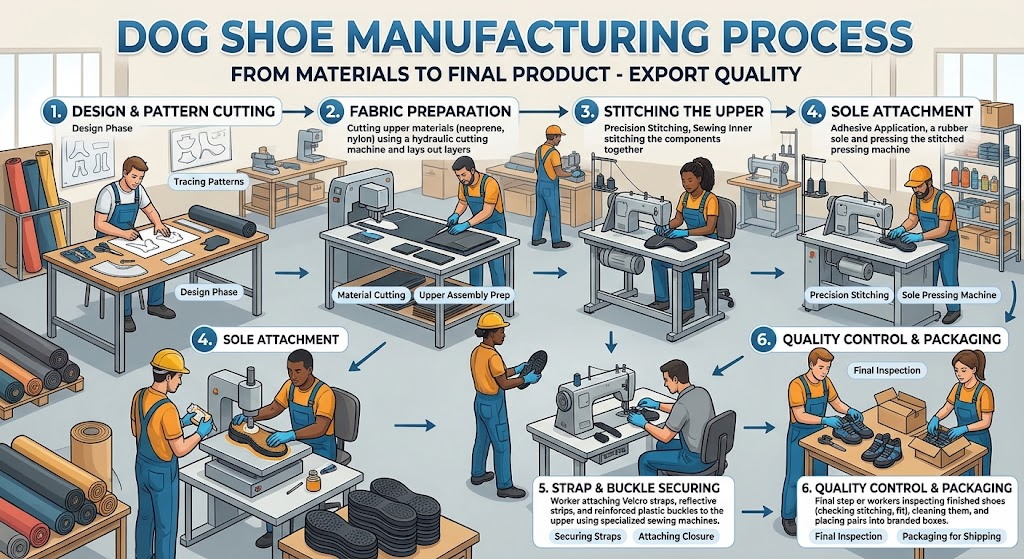
The journey begins long before any materials are cut or sewn. Designers start by studying canine anatomy in meticulous detail—understanding how dogs walk, where pressure points form, and what movements their paws naturally make. They sketch concepts that balance protection with flexibility, often creating dozens of iterations before settling on a final design. Using 3D modeling software and physical mock-ups, they test how different shapes accommodate various breed sizes, from tiny Chihuahua paws to large Great Dane feet. This phase is crucial because a poorly designed shoe, no matter how well-made, will never be comfortable for the dog.
Why Is Sample Testing Critical Before Mass Production?
Once a design is finalized on paper, it moves into the sampling phase where real prototypes are handcrafted. These samples undergo rigorous testing—designers fit them on dogs of different breeds and sizes, observing how the animals walk, run, and react. They check for pressure points, slippage, and range of motion. Feedback from these tests often leads to adjustments in sizing, strap placement, or material choices. This iterative process might repeat several times until the shoe performs perfectly. It's a time-consuming but essential step that separates quality manufacturers from those who simply churn out products without considering the end user—the dogs themselves.
What Role Does Technology Play in Modern Dog Shoe Design?
Today's dog shoe factories leverage impressive technology to enhance the design process. 3D scanning captures precise paw dimensions across different breeds, creating detailed databases that inform sizing charts. Computer-aided design (CAD) software allows designers to visualize and modify designs instantly, testing different material combinations virtually before committing to physical samples. Some innovative manufacturers like Guangzhou Petsun even use pressure-mapping technology to see exactly where a dog's weight distributes across the paw, ensuring their designs provide support exactly where it's needed most. This tech-forward approach results in shoes that fit better and perform more reliably.
How Are Materials Selected and Tested?
What Makes the Perfect Upper Material for Dog Shoes?
Choosing the right material for the upper part of dog shoes is a delicate balancing act. The material must be durable enough to withstand rough terrain, yet flexible enough to move naturally with the paw. It needs to breathe to prevent overheating, but also repel water and resist tearing. Manufacturers test dozens of fabrics—nylon mesh for breathability, neoprene for flexibility, Cordura for durability, and waterproof membranes for weather protection. Each material undergoes stress testing, abrasion resistance checks, and wash cycle simulations. The best factories maintain relationships with trusted suppliers who consistently deliver materials that meet strict quality standards, ensuring every pair of shoes performs as expected.
Why Are Sole Materials So Important for Traction and Durability?
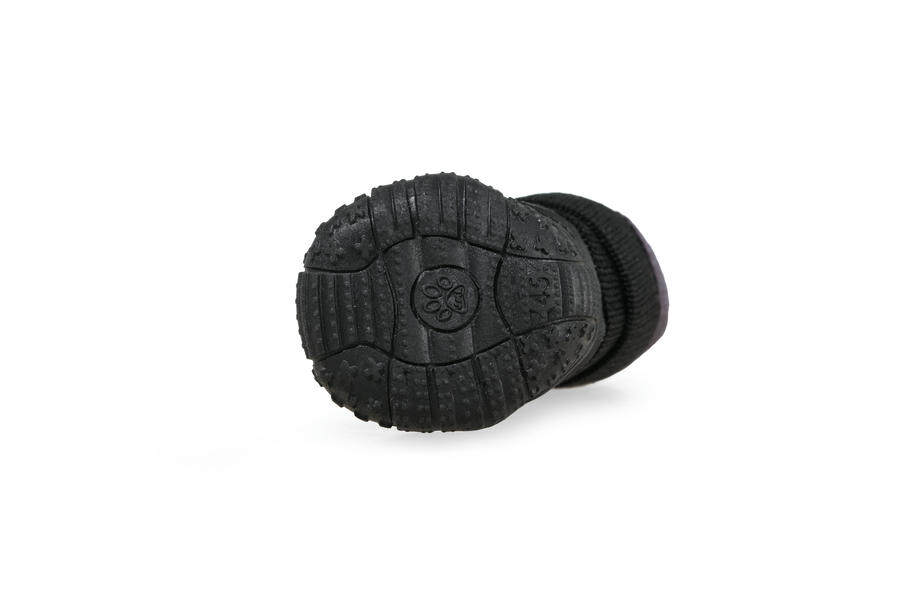
The sole is arguably the most critical component of any dog shoe—it's what protects delicate paw pads from hot pavement, sharp objects, and icy surfaces. Manufacturers carefully select rubber compounds or thermoplastic materials that offer the right balance of grip, flexibility, and longevity. The tread pattern isn't arbitrary; it's engineered to provide traction on various surfaces while allowing natural paw flexion. Materials are tested for temperature resistance (will they crack in freezing cold or melt in extreme heat?), abrasion resistance (how long before they wear through?), and slip resistance on wet and dry surfaces. Quality manufacturers never compromise on sole quality because this is the primary protective element.
How Do Manufacturers Ensure Materials Are Safe for Dogs?
Safety testing is non-negotiable in reputable dog shoe factories. Every material must be free from toxic chemicals, heavy metals, and harmful dyes that could irritate a dog's skin or be ingested when dogs inevitably lick their paws. Materials undergo chemical composition analysis, allergen testing, and sometimes even taste tests (yes, really!) to ensure they're completely safe. Reputable manufacturers maintain certifications like OEKO-TEX or REACH compliance, which verify that materials meet international safety standards. This rigorous vetting process protects not just the dogs who wear the shoes, but also builds trust with pet owners who want the absolute best for their companions.
What Happens During the Cutting Process?
How Do Precision Cutting Machines Ensure Consistency?
Once materials arrive at the factory and pass inspection, they move to the cutting department where precision is paramount. Modern dog shoe factories use computerized cutting machines that follow digital patterns with incredible accuracy. These machines can cut through multiple layers of material simultaneously, ensuring that every single piece—whether it's the upper, lining, or reinforcement panels—is identical in size and shape. This consistency is crucial because even a millimeter of variation can affect how the shoe fits and functions. The machines are programmed with different patterns for various sizes, from extra-small for toy breeds to extra-large for giant breeds, and they execute each cut with robotic precision that human hands simply cannot match.
Why Is Manual Cutting Still Used for Certain Components?
Despite advanced automation, skilled workers still handle certain cutting tasks, particularly for specialty materials or small production runs. Experienced cutters can work with delicate fabrics that might snag or stretch in automated machines, and they can make real-time adjustments when they spot material imperfections. For premium or custom orders, manual cutting allows for greater attention to detail and quality control. These craftspeople often have years of experience and can feel the difference in material quality, grain direction, and tension—subtle factors that affect the final product. The best factories combine the efficiency of machines with the discernment of human expertise.
What Quality Checks Occur After Cutting?
After cutting, every piece undergoes inspection before moving to assembly. Workers check that each component matches the specified dimensions, that edges are clean without fraying, and that there are no material defects like holes, discoloration, or weak spots. Pieces are sorted by size and style, then bundled together in sets that will become individual shoes. This organizational step is critical—mixing up sizes or components at this stage would create chaos downstream. Any pieces that don't meet quality standards are immediately rejected and replaced, ensuring that only perfect components move forward. This meticulous attention to detail at the cutting stage prevents problems later in production.
How Is the Sewing and Assembly Done?
What Specialized Sewing Techniques Are Used for Dog Shoes?
Sewing dog shoes requires specialized skills and equipment different from regular garment or shoe manufacturing. The small size and unique shapes demand precision sewing machines that can handle tight curves and multiple material layers. Skilled seamstresses use techniques like flat-felled seams (which prevent chafing), reinforced stitching at stress points, and bar tacks at attachment points for straps and closures. They work with heavy-duty threads that won't break under tension and use needles appropriate for the specific materials being joined. Each seam must be perfectly straight and evenly tensioned—poor stitching creates weak points that can fail during use. Many factories employ workers who have spent years mastering these specialized techniques.
How Are Closures and Fastening Systems Attached?
The closure system—whether Velcro straps, buckles, zippers, or elastic—must be securely attached while remaining easy for pet owners to use. Workers carefully position and sew these components, ensuring they align perfectly when the shoe is worn. For Velcro closures, the hook and loop sides must be positioned so they engage properly without twisting. Buckles need to be riveted or sewn with reinforcement patches to prevent tearing. Elastic components must be stretched to the correct tension during attachment so they provide a snug fit without being too tight. This stage requires both technical skill and an understanding of how the finished shoe will function in real-world use.
What Challenges Do Workers Face During Assembly?
Assembling dog shoes presents unique challenges that test workers' skills daily. The small size means there's little margin for error—a misplaced stitch or misaligned panel is immediately visible and can render the shoe unusable. Workers must constantly switch between different sizes and styles, adjusting their techniques and machine settings accordingly. They work with various material combinations, each requiring different handling—stretchy neoprene behaves differently than stiff waterproof fabric. Despite these challenges, experienced assembly workers develop remarkable speed and accuracy, often completing a pair of shoes in just minutes while maintaining consistent quality. Their expertise is invaluable to the manufacturing process.
What Is the Sole Attachment Process?
How Are Soles Bonded to the Upper Material?
Attaching the sole to the upper is one of the most critical steps in dog shoe manufacturing, as this bond must withstand significant stress during use. The process typically involves applying specialized adhesive to both the sole and the upper, then pressing them together under controlled heat and pressure. Modern factories use industrial bonding machines that ensure consistent temperature, pressure, and timing for every shoe. The adhesive must create a flexible yet permanent bond that won't separate when the dog runs, jumps, or walks on uneven terrain. Some manufacturers use cementing processes, while others employ vulcanization or injection molding for certain styles. The method chosen depends on the materials used and the intended use of the shoe.
Why Is Curing Time Important for Strong Bonds?
After soles are attached, shoes can't immediately move to the next stage—they need time to cure. The adhesive requires specific time and temperature conditions to reach full strength, typically 24-48 hours in climate-controlled rooms. Rushing this process results in weak bonds that may fail when the shoes are worn. Quality manufacturers never skip or shorten curing times, even when facing tight production deadlines. During curing, shoes are often placed on forms or lasts that maintain their shape and ensure proper alignment while the adhesive sets. This patience in the manufacturing process is what separates durable, long-lasting shoes from those that fall apart after minimal use.
What Alternative Sole Attachment Methods Exist?
While adhesive bonding is most common, some dog shoe designs use alternative attachment methods. Stitched construction, where the sole is literally sewn to the upper, provides exceptional durability and is often used for heavy-duty work boots. Some manufacturers use heat-welding techniques that fuse materials together without adhesive, creating seamless bonds ideal for waterproof shoes. Injection molding involves injecting liquid rubber directly around the upper, creating a custom-molded sole that perfectly matches the shoe's shape. Each method has advantages depending on the shoe's intended use, and manufacturers like Guangzhou Petsun often employ multiple techniques across their product lines to optimize performance for different applications.
How Is Quality Control Maintained Throughout Production?
What Inspections Occur at Each Production Stage?
Quality control isn't a single checkpoint at the end—it's woven into every stage of dog shoe manufacturing. At material receiving, inspectors verify that fabrics and components meet specifications. After cutting, pieces are measured and checked for defects. During sewing, supervisors monitor stitch quality and alignment. After sole attachment, bonds are tested for strength. Before packaging, finished shoes undergo comprehensive inspection. This multi-layered approach catches problems early, preventing defective products from advancing and wasting additional labor and materials. Workers are trained to identify common issues and empowered to stop production if they spot recurring problems, creating a culture where quality is everyone's responsibility.
How Do Factories Test Shoe Durability and Performance?
Beyond visual inspection, quality dog shoe factories conduct physical testing on random samples from each production batch. Shoes are subjected to flex tests that simulate thousands of steps, checking whether seams hold and soles remain attached. Traction tests measure slip resistance on various surfaces. Waterproof shoes undergo spray tests to verify they keep water out. Closure systems are opened and closed hundreds of times to ensure they maintain functionality. Some factories even have dogs test prototypes in real-world conditions, observing how the shoes perform during actual use. These rigorous tests provide confidence that every pair leaving the factory will protect and comfort the dogs who wear them.
What Happens When Defects Are Discovered?
When quality control identifies defects, the response depends on the issue's severity and frequency. Minor defects like cosmetic stitching errors might result in the shoe being reworked or downgraded to seconds. Major defects like sole separation or sizing errors mean the shoe is rejected entirely. If multiple shoes from the same batch show similar problems, production may be halted while the root cause is investigated—perhaps a machine needs adjustment, materials are substandard, or workers need additional training. Reputable manufacturers maintain detailed quality records that trace problems back to their source, enabling continuous improvement. This systematic approach to quality ensures that customers receive reliable, well-made products.
What Happens During Packaging and Shipping?
How Are Shoes Prepared for Retail or Wholesale Distribution?
Once shoes pass final inspection, they're carefully prepared for shipping. Each pair is typically wrapped in tissue paper or placed in individual poly bags to protect them during transit. Shoes are then boxed—either in individual retail boxes with branding and product information, or in bulk packaging for wholesale customers. Boxes are labeled with size, style, color, and barcode information for easy inventory management. For international shipments, boxes are packed into larger cartons that maximize container space while protecting the products. Throughout this process, workers handle shoes carefully to avoid scuffing or damaging them after they've passed all quality checks. Proper packaging ensures products arrive at their destination in perfect condition.
What Information Is Included on Product Labels and Tags?
Every pair of dog shoes includes detailed labeling that serves both practical and legal purposes. Size tags indicate the paw measurements the shoe fits, often with both metric and imperial measurements. Care instruction tags tell owners how to clean and maintain the shoes. Material composition labels list what the shoes are made from, important for customers with specific preferences or allergies. Many manufacturers include QR codes or website addresses where owners can find fitting guides, instructional videos, or register their purchase. For wholesale customers, wholesale details and bulk ordering information may be included. Clear, accurate labeling builds trust and helps customers make informed decisions.
How Do Factories Ensure Timely Delivery to Customers?
Modern dog shoe factories operate with sophisticated logistics systems that track orders from placement through delivery. Production schedules are carefully coordinated to meet customer deadlines, whether for large retail chains or small boutique orders. Inventory management systems monitor stock levels of finished goods and raw materials, triggering reorders before supplies run low. For custom orders or OEM ODM details requests, factories provide regular updates on production progress. Relationships with reliable shipping partners ensure products move efficiently from factory to warehouse to retailer. This complex orchestration of production, inventory, and logistics is what allows pet owners to find the shoes they need when they need them.
How Do Modern Factories Ensure Efficiency and Sustainability?
What Technologies Improve Manufacturing Efficiency?
Today's leading dog shoe factories embrace technology to boost efficiency without sacrificing quality. Automated cutting machines reduce material waste and speed production. Computerized sewing equipment maintains consistent stitch quality while reducing worker fatigue. Inventory management software tracks every component from arrival to installation, minimizing delays and errors. Production line layouts are optimized using lean manufacturing principles that eliminate unnecessary movement and handling. Some factories use RFID tags to track individual shoes through production, providing real-time data on throughput and identifying bottlenecks. These technological investments allow factories to produce more shoes faster while maintaining the high standards customers expect.
How Are Manufacturers Reducing Environmental Impact?
Sustainability is increasingly important in dog shoe manufacturing. Forward-thinking factories implement practices like recycling fabric scraps into insulation or stuffing, using water-based adhesives instead of solvent-based ones, and installing solar panels to reduce energy consumption. Some manufacturers source recycled materials like reclaimed rubber for soles or recycled polyester for uppers. Waste water from dyeing processes is treated before discharge, and packaging is minimized or made from recycled materials. Companies like Guangzhou Petsun recognize that protecting the planet is as important as protecting dogs' paws, and they're investing in cleaner, greener manufacturing processes that reduce their environmental footprint while maintaining product quality.
What Training Do Factory Workers Receive?
Skilled workers are the heart of any quality dog shoe factory, and investing in their training pays dividends in product quality and efficiency. New employees undergo comprehensive training on their specific tasks, learning proper techniques, quality standards, and safety procedures. Experienced workers receive ongoing training when new equipment is introduced or production methods are updated. Many factories cross-train workers on multiple tasks, creating flexibility in production scheduling and reducing bottlenecks. Safety training ensures workers understand proper machine operation, ergonomic practices, and emergency procedures. This commitment to worker development creates a knowledgeable, engaged workforce that takes pride in producing high-quality dog shoes.
What Makes a Dog Shoe Factory Stand Out from Competitors?
How Does Experience Influence Manufacturing Quality?
Years of experience in dog shoe manufacturing translate into deeper understanding of what works and what doesn't. Veteran factories have refined their processes through countless iterations, learning which materials perform best, which construction methods create the most durable shoes, and which design features dogs actually appreciate. They've built relationships with reliable suppliers who consistently deliver quality materials. Their workers have developed muscle memory and intuition that comes only from repetition. This accumulated knowledge allows experienced manufacturers to anticipate problems before they occur and deliver consistently superior products. When you choose shoes from an established factory, you're benefiting from years of trial, error, and refinement.
Why Is Customization Capability Important for Retailers?
The ability to offer OEM ODM details and customization sets exceptional factories apart. Retailers and brands want to differentiate themselves with unique designs, custom branding, or specialized features that meet their customers' specific needs. Factories that can accommodate small minimum orders, modify existing designs, or create entirely new products from scratch provide tremendous value. They work collaboratively with clients, offering design expertise, material recommendations, and production guidance. This flexibility allows smaller brands to compete with larger companies and enables retailers to offer exclusive products. The best manufacturers view customization not as a burden, but as an opportunity to build lasting partnerships.
What Role Does Customer Service Play in B2B Relationships?
Beyond manufacturing excellence, outstanding customer service distinguishes top-tier dog shoe factories. Responsive communication, transparent pricing, realistic timelines, and proactive problem-solving build trust with business clients. When issues arise—and they inevitably do—professional factories address them quickly and fairly rather than making excuses. They provide regular updates on order status, answer technical questions knowledgeably, and offer solutions rather than obstacles. For retailers exploring wholesale details, helpful customer service makes the difference between a one-time transaction and a long-term partnership. In the competitive world of pet products, service excellence is just as important as product quality.
What Goes Into Making Quality Dog Shoes?
Creating high-quality dog shoes is far more complex than most people realize. It requires thoughtful design, careful material selection, precision manufacturing, rigorous quality control, and efficient logistics. Every pair that reaches a pet owner represents the coordinated efforts of designers, material suppliers, skilled workers, quality inspectors, and logistics professionals. Modern dog shoe factories like Guangzhou Petsun combine traditional craftsmanship with advanced technology to produce footwear that protects and comforts our canine companions.
Whether you're a retailer seeking wholesale details for your store, a brand exploring OEM ODM details for custom products, or simply a curious pet owner, understanding the manufacturing process helps you appreciate the value of well-made dog shoes. The next time you see a dog confidently walking in protective footwear, you'll know the incredible journey those shoes took from concept to completion.
Quality dog shoes aren't just manufactured—they're crafted with care, expertise, and genuine concern for the animals who will wear them. That's the difference between a commodity and a product that truly makes a difference in dogs' lives.
How Do You Choose the Right Sole for Dog Shoes
Related Article