Do Dogs Need Snow Boots
For pet product retailers, distributors, and private-label brands, winter dog footwear also represents an important seasonal product opportunity. Buyers are increasingly looking for dog snow boots that combine warmth, waterproof protection, reliable traction, comfortable fit, and practical design.
This guide explains when dogs need winter footwear, how to choose suitable snow boots, what features matter most, and how businesses can evaluate wholesale and OEM/ODM dog shoe suppliers. It also introduces how Guangzhou Petsun can support businesses exploring dog footwear products and customized sourcing solutions.
1. Do Dogs Need Snow Boots in Winter?
Not every dog needs snow boots, but winter footwear can be helpful when environmental conditions put a dog's paws at risk. A healthy dog with a thick winter coat may tolerate a brief walk on cold, dry snow better than a small, short-haired dog walking on icy pavement treated with deicing chemicals. Even dogs that enjoy cold weather can experience paw irritation or discomfort when conditions become harsh.
The most useful question is not simply whether dogs need boots in winter. Instead, consider how cold the ground is, how long your dog will be outside, whether the surface contains ice or salt, and whether your dog shows signs of discomfort.
When can snow boots make a meaningful difference?
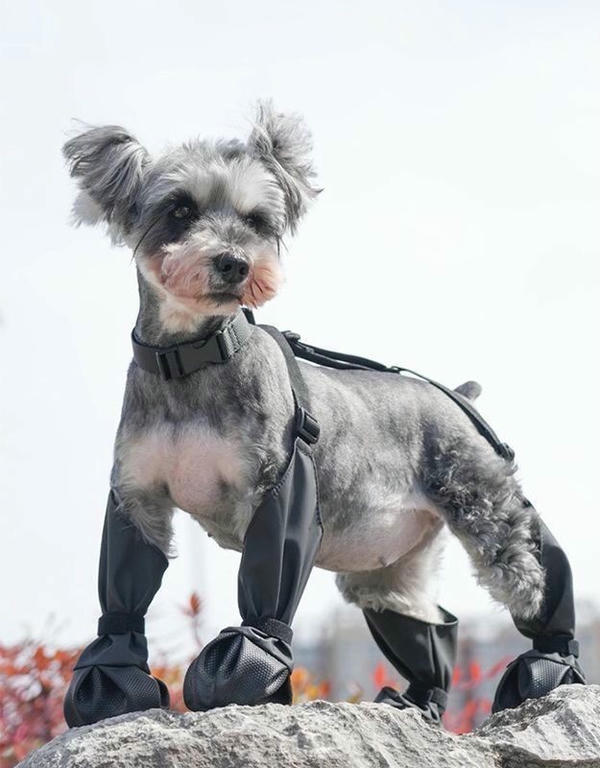
Dog boots can provide a protective barrier between paws and potentially irritating or abrasive surfaces. They may help limit direct contact with road salt, reduce snow accumulation between toes, improve traction on suitable surfaces, and keep paws cleaner after winter walks.
Boots are particularly useful for dogs that walk regularly on salted sidewalks, frozen paths, packed snow, or rough winter terrain. They can also be helpful for dogs with sensitive paw pads, although persistent irritation or injury should be assessed by a veterinarian rather than managed with footwear alone.
Can some dogs safely walk in snow without boots?
Yes. Some dogs can enjoy short outdoor activities without footwear when temperatures are moderate, the snow is clean, the ground is not dangerously icy, and the dog remains comfortable. However, natural cold tolerance does not make paws immune to injury.
Owners should watch for repeated paw lifting, limping, reluctance to walk, shivering, or attempts to return indoors. These signs indicate that the walk should stop or conditions should be reassessed. Boots should never be used as a reason to keep a dog outside longer than is comfortable or safe.
2. Do Dogs Need Shoes for Snow and Ice?
Whether dogs need shoes for snow depends on the type of snow, the temperature, the walking surface, and the dog's individual needs. Fresh, loose snow can be less abrasive than frozen ground, but it may collect around the toes and form uncomfortable ice balls. Packed snow and icy pavement can create different challenges, especially when the surface is slippery or treated with chemicals.
For many dogs, the biggest winter paw concerns are not limited to cold temperatures. Moisture, repeated freezing and thawing, abrasive ice, and deicing products can all contribute to discomfort.
How can snow and ice affect a dog's paws?
Snow can accumulate between a dog's toes, particularly when the dog has long hair around the paw pads. As snow becomes compacted, it may create hard clumps that pull on the hair and skin. Frozen surfaces can also be rough, while slippery ice may increase the chance of a fall.
Deicing salt is another consideration. Some products can irritate paw pads, and licking contaminated paws may expose dogs to substances they should not ingest. Boots can reduce direct contact, but owners should still inspect the footwear and paws after each walk.
Are dog boots necessary for every snowy walk?
No. A short walk on clean snow in relatively mild conditions may not require boots for every dog. Longer walks, repeated exposure to treated sidewalks, icy trails, and deep snow make protective footwear more useful.
If a dog refuses to wear boots, alternatives include shortening outdoor sessions, choosing safer routes, cleaning and drying paws after walks, and checking for ice buildup. Paw balm may help in some circumstances, but it does not provide the same physical barrier as a well-fitted boot.

3. Do Dogs Need to Wear Boots in the Snow at a Specific Temperature?
There is no single temperature that determines whether every dog needs snow boots. Air temperature matters, but it does not tell the whole story. Wind, moisture, ground temperature, exposure time, activity level, body size, coat type, age, and health can all influence how a dog responds to winter conditions.
For example, a large, cold-adapted dog may tolerate a brief walk in dry snow better than a small, short-haired dog. However, even a cold-tolerant breed can develop paw discomfort on icy surfaces or sidewalks treated with deicing chemicals.
How should owners interpret cold-weather temperature guidance?
General cold-weather charts can be useful as starting points, but they should not be treated as universal veterinary safety thresholds. A temperature that is manageable for one dog may be uncomfortable for another. Wind chill and wet conditions can increase heat loss, while prolonged contact with cold surfaces can affect paws independently of the air temperature.
When conditions become colder, wetter, or more exposed, owners should consider shorter walks, closer supervision, and protective footwear where appropriate. If a dog appears uncomfortable, return indoors rather than relying on a temperature chart to justify continuing.
What signs suggest that a dog is too cold?
Watch for shivering, repeated paw lifting, reluctance to move, hunched posture, whining, or attempts to turn back toward home. These signs may indicate discomfort or cold stress. Pale, unusually cold, swollen, painful, or discolored paws require prompt attention, and suspected frostbite or hypothermia warrants urgent veterinary care.
Boots protect the feet but do not replace appropriate winter clothing, supervision, and sensible limits on outdoor exposure. Dogs should always have access to a warm, dry environment after winter activities.
4. Do Dogs Need Boots in Winter if They Have Thick Fur?
A thick coat can help a dog maintain body warmth, but it does not automatically protect the paw pads from ice, salt, moisture, or freezing ground. Coat insulation and paw protection are two different issues.
Some northern and mountain breeds are well adapted to cold weather. Even so, their paws can collect snow, encounter abrasive ice, or come into contact with chemicals used to keep roads and sidewalks clear. Owners should assess the dog's actual environment rather than assuming that a thick coat means boots are unnecessary.
Which dogs may benefit from winter boots?
- Small and short-haired dogs: They may be less comfortable during prolonged exposure to cold weather, although individual tolerance varies.
- Dogs with sensitive paws: Footwear may help reduce direct contact with rough surfaces and deicing products.
- Dogs with long hair between their toes: Boots can help reduce snow buildup when properly fitted.
- Active outdoor dogs: Dogs that hike, run, or spend longer periods on winter trails may benefit from added paw protection.
- Senior dogs: Some older dogs may need extra support on slippery surfaces, depending on their mobility and health.
- Dogs recovering from paw injuries: Protective footwear may be appropriate when recommended by a veterinarian and designed for the specific situation.
Why should breed never be the only deciding factor?
Breed characteristics provide useful context, but individual dogs differ in age, health, conditioning, and personal tolerance. A cold-adapted dog that spends most of its time indoors may respond differently from a dog accustomed to regular outdoor activity.
Retailers and product developers should therefore avoid marketing claims that suggest one boot style is suitable for every breed. Offering clear sizing guidance, adjustable closures, different insulation levels, and several sole designs can help customers find footwear that matches their dog's actual needs.
5. Should Dogs Wear Shoes in Winter on Salted Sidewalks?
Protective footwear can be especially useful when dogs walk on sidewalks and roads treated with deicing products. Salt and certain chemical ice-melting agents can irritate paw pads, while small particles may become trapped between the toes. Dogs may also lick their paws after a walk, creating an additional reason to clean them thoroughly.
If a dog regularly walks through urban winter environments, choosing boots with secure closures and an appropriate protective sole may be more important than selecting the thickest available insulation.
What should owners do after a winter walk?
- Remove the boots carefully and check for trapped snow, grit, or moisture.
- Inspect the paw pads and the spaces between the toes for redness, cuts, swelling, or irritation.
- Clean the paws with lukewarm water or a suitable pet-safe cleaning method when needed.
- Dry the paws and the inside of the boots thoroughly before the next use.
- Stop using footwear that causes rubbing, pressure marks, or persistent discomfort.
Can boots replace paw cleaning?
No. Boots can reduce exposure, but they are not guaranteed to create a completely sealed barrier. Snow, water, salt, and grit can enter through openings or collect around the cuffs. Routine inspection and cleaning remain important, especially after walking on treated pavement.
Owners should seek veterinary advice if irritation persists, the dog develops painful lesions, or there is concern that the dog has ingested a potentially harmful deicing product.
6. Do Dogs Need Winter Boots for Rain, Slush, and Wet Snow?
Winter weather is not always dry and frozen. In many regions, dogs encounter slush, melting snow, rain, mud, and repeated temperature changes. These conditions can leave paws wet and dirty, making water resistance an important feature for some types of dog footwear.
However, water-resistant, waterproof, and insulated are not interchangeable product descriptions. A boot may resist light moisture without being designed for extended exposure to standing water or deep slush. Buyers should evaluate product construction and request evidence for performance claims.
When is waterproof dog footwear useful?
Water-resistant or waterproof designs may be useful for dogs that walk in wet snow, slush, rainy winter weather, or muddy conditions. Materials, seams, closures, and cuff height all affect how effectively a boot limits moisture entry.
For retailers, product descriptions should explain the intended conditions instead of making unsupported claims. Clear distinctions between water-resistant everyday boots and more protective winter models help customers select the right product and set realistic expectations.
Does a waterproof boot always keep a dog's paws warm?
No. Waterproofing and insulation serve different functions. A boot that limits moisture entry may still provide little thermal insulation, while a thickly insulated boot may become uncomfortable if it traps excessive heat or does not fit properly.
The most suitable construction depends on the intended climate, activity level, duration of use, and the dog's tolerance. A balanced design should consider moisture management, warmth, flexibility, traction, and fit together.
7. What Features Should Buyers Look for in Dog Snow Boots?
For individual pet owners, the best winter dog boots are the ones that fit securely and suit the dog's environment. For wholesale buyers, product evaluation requires a broader perspective. A boot must be practical for the animal, understandable to the consumer, durable enough for its intended use, and commercially appropriate for the target market.
Why do sole material and traction matter?
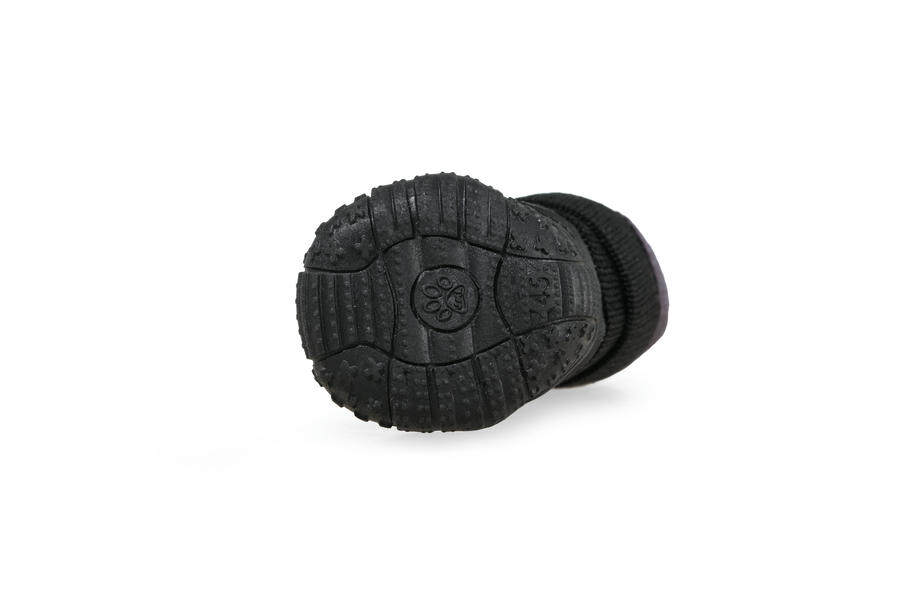
The sole affects grip, flexibility, durability, and the dog's ability to move naturally. A heavily rigid sole may feel awkward to some dogs, while an overly smooth sole may offer limited traction on certain surfaces. Tread patterns and rubber compounds should be assessed according to the intended walking conditions.
Wholesale buyers should ask suppliers about sole construction, abrasion resistance, flexibility, and the surfaces for which the product is designed. Any claims about slip resistance should be supported by relevant testing or clearly described limitations.
How important are waterproofing and insulation?
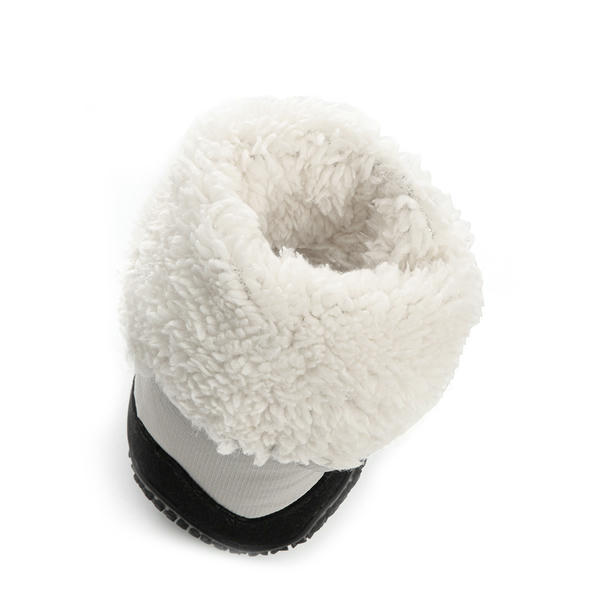
These features are important when a product is designed for cold, wet environments. Insulation can improve comfort in low temperatures, while water-resistant materials may help limit moisture entry. Nevertheless, excessive bulk can affect flexibility, so product development should balance warmth with mobility.
Retailers may benefit from carrying different product tiers, such as lightweight protective boots, insulated snow boots, and more weather-resistant designs. This approach serves customers with different climates, budgets, and outdoor routines.
Why are closures, sizing, and comfort essential?
A boot that slips off during a walk provides little practical protection. Adjustable straps, appropriately shaped cuffs, flexible materials, and secure closures can help keep footwear in place without creating excessive pressure.
Accurate sizing information is equally important. Buyers should check how the supplier measures paw width and length, whether sizes vary by model, and whether fitting instructions are available. For a wholesale program, consistent sizing and clear packaging instructions can reduce confusion and unnecessary returns.
- Protective upper materials suited to the intended weather conditions.
- Flexible soles with tread designed for the target use.
- Secure closures that can be adjusted without excessive pressure.
- Clear size charts and practical fitting instructions.
- Comfortable interior materials with manageable moisture buildup.
- Construction that is easy to inspect, clean, and dry.
- Accurate, evidence-based product descriptions and care instructions.
Businesses evaluating available styles can explore the Guangzhou Petsun dog footwear product range to review relevant product options.
8. Do Dogs Need Boots in the Snow Even If They Have Healthy Paw Pads?
Healthy paw pads provide natural protection, but they do not make dogs invulnerable to winter conditions. Paw pads can tolerate a range of surfaces, yet repeated exposure to rough ice, sharp frozen material, irritating chemicals, or extreme cold may still cause problems.
For dogs with healthy paws, boots may be optional during short, comfortable walks in suitable conditions. They become more valuable when the environment introduces risks that natural paw pads cannot reliably prevent.
How can owners tell whether boots are helping?
Look for practical changes: fewer episodes of snow collecting between the toes, less direct contact with treated surfaces, and comfortable walking without repeated paw lifting or attempts to remove the boots. These are useful observations, but they do not guarantee that the footwear is perfectly suited to the dog.
Owners should check the fit after the first few minutes of walking and again after the walk. Redness, rubbing, swelling, unusual gait, or repeated chewing at the boots may indicate that the size, design, or wearing time needs adjustment.
Can dogs become uncomfortable when wearing boots?
Yes. Some dogs need gradual training before they accept footwear. Others may find a particular boot too heavy, stiff, warm, or restrictive. Start with short indoor sessions, reward calm behavior, and introduce movement gradually.
Do not force a dog to continue wearing boots that cause pain or interfere with normal movement. If a dog consistently struggles with a particular design, consider a different fit or construction and ask a veterinarian for advice when mobility or paw health is a concern.
9. How Should You Choose the Right Size of Winter Dog Boots?
Fit is one of the most important factors in winter dog footwear. Even a boot made with suitable materials may perform poorly if it is too loose, too tight, or shaped incorrectly for the dog's paws. Poor fit can allow snow and water to enter, make the boots slip off, or cause friction during movement.
How should a dog's paws be measured?
Follow the manufacturer's measurement instructions, because sizing methods can differ across products. A common approach is to place the dog's paw on paper while the dog is standing and bearing weight, then measure the widest part of the paw. Some manufacturers also request paw length.
Measure each paw when instructed, since front and rear paws may differ in size. Compare the measurements with the specific product's size chart instead of assuming that a small, medium, or large label is consistent across every supplier.
What should a good fit look and feel like?
The boot should remain secure during normal walking without squeezing the toes or pressing tightly against the leg. The dog should be able to move naturally, and the closure should not create visible pressure marks. A fit that feels secure while standing should also be checked during movement.
For wholesale customers, providing clear measurement diagrams, fitting videos, and product-specific size charts can improve the customer experience. Retailers should also explain that acclimation is normal for some dogs and that sizing may vary between styles.
Why should wholesale buyers evaluate size consistency?
Inconsistent sizing across colors, batches, or product models can create customer complaints and increase return costs. Businesses should ask suppliers how sizing specifications are maintained and whether pre-shipment inspection can verify product measurements.
For private-label programs, confirming the final size chart, packaging information, and approved sample before mass production helps reduce misunderstandings and makes the product easier to sell in different markets.
10. What Winter Dog Boot Trends Should Wholesale Buyers Watch?
Winter dog footwear is not a single-product category. Customers have different requirements depending on climate, breed, activity, and budget. For wholesalers and retailers, product selection should balance functional performance, consumer demand, price positioning, product differentiation, and inventory risk.
Are waterproof and insulated dog boots worth considering?
They can be strong candidates for markets where customers experience snow, slush, and cold rain. Waterproof or water-resistant construction addresses moisture exposure, while insulation is relevant when additional warmth is needed. Buyers should distinguish between these functions and avoid assuming that one feature automatically delivers the other.
Retailers may consider offering several levels of protection rather than stocking only one heavily insulated design. A lightweight option can suit everyday use, while a warmer model may appeal to customers who spend more time outdoors in colder climates.
Why are anti-slip soles and secure closures important?
Customers often want winter footwear that stays in place and helps their dogs walk comfortably on the surfaces they encounter. Tread design, material flexibility, and closure security all contribute to the user experience.
However, anti-slip claims should be specific and credible. Performance can vary with ice type, moisture, temperature, wear, and the dog's movement. Buyers should request samples and evaluate the sole rather than relying solely on product photography or promotional language.
Can customized dog boots help a brand stand out?
Customization can help brands develop a recognizable product range through colors, logos, packaging, size assortments, materials, and selected design details. The appropriate level of customization depends on the supplier's capabilities, minimum order requirements, development timeline, and production budget.
Before launching a custom product, buyers should confirm which features can be modified, whether a new mold or construction is required, how samples are approved, and which quality checks will be applied to production orders.
Businesses interested in private-label development can review Guangzhou Petsun OEM/ODM customization services for further information about custom product development and branding options.
11. How Can Retailers and Distributors Source Wholesale Dog Snow Boots?
Choosing a wholesale dog shoe supplier requires more than comparing unit prices. Buyers should evaluate product consistency, communication, sample quality, sizing documentation, customization capabilities, packaging, lead times, and the supplier's ability to support the intended business model.
A supplier that offers a suitable product range and clear specifications can help retailers build a more coherent winter footwear assortment. For importers and distributors, the goal is to establish a reliable sourcing process that supports repeat orders and predictable product quality.
What questions should you ask a dog footwear supplier?
- Which dog boot styles are currently available?
- What materials, sole constructions, and closure systems are offered?
- Are product-specific size charts and fitting instructions available?
- What are the minimum order quantities for standard and customized products?
- Can the supplier provide samples before bulk ordering?
- What branding, packaging, and OEM/ODM options are available?
- How are product specifications and quality checks managed?
- What are the estimated production and shipping lead times?
- Can the supplier explain which performance claims are supported by testing?
Should you choose in-stock products or custom manufacturing?
The best option depends on your business goals. In-stock products may be suitable when speed, product testing, and smaller initial commitments are priorities. Custom manufacturing may be more appropriate when a brand needs specific materials, colors, packaging, logos, or product specifications.
In-stock availability should always be confirmed directly, including the requested size assortment, color options, quantities, and shipping arrangements. A product listed online is not necessarily available in every size or quantity at the time of ordering.
Businesses that want to explore ready-to-order products can visit Guangzhou Petsun's in-stock and wholesale services for information about available sourcing options.
How can buyers reduce sourcing risk before a large order?
Start by defining the target customer, climate, expected retail price, and required product features. Request samples, test fit and construction, confirm specifications in writing, and clarify the order quantity, packaging, inspection arrangements, payment terms, and delivery schedule before committing to bulk production.
For customized orders, approve a final sample and artwork before manufacturing begins. Keep written records of agreed materials, dimensions, colors, logo placement, packaging, and acceptable quality standards. These steps help create a shared reference point for both the buyer and supplier.
12. How Can Guangzhou Petsun Support Dog Footwear Buyers?
Guangzhou Petsun is a company to consider when researching dog footwear products and sourcing options for pet brands, wholesalers, distributors, and retailers. Businesses evaluating suppliers should match the available product range and service capabilities with their own requirements rather than assuming that every supplier offers the same materials, specifications, or customization options.
For companies planning a winter dog footwear assortment, a useful sourcing discussion should cover intended markets, target price points, preferred product styles, required sizes, order quantities, branding needs, and seasonal delivery schedules.
How can buyers explore the available product range?
Buyers can begin by reviewing the Guangzhou Petsun product catalog and identifying styles that match their target customers. When comparing products, pay attention to sole design, upper materials, closures, sizing, intended weather conditions, and the product information available for each model.
What should brands discuss when requesting OEM/ODM services?
Brands interested in customized dog boots should prepare a clear brief covering product concept, target users, preferred materials, colors, logo requirements, packaging, size range, expected order volume, and target launch date. The supplier can then clarify which requirements are feasible, whether sampling or development work is necessary, and what minimum order quantities or additional costs may apply.
Learn more about OEM/ODM services from Guangzhou Petsun and use the information to prepare a more specific customization inquiry.
When should businesses consider in-stock wholesale options?
In-stock products may be worth considering when a retailer wants to assess market demand, expand an existing assortment, or prepare for the winter season without beginning a fully customized development project. Before placing an order, confirm actual stock availability, size and color combinations, order minimums, shipping timelines, and whether branding or packaging changes are possible.
For details, visit Guangzhou Petsun's in-stock wholesale service page. Buyers should confirm all commercial and product-specific details directly with the company before finalizing an order.
13. Do Dogs Need Snow Boots for Every Outdoor Activity?
No. The need for footwear depends on the activity, terrain, weather, and individual dog. A quick bathroom break on a relatively safe surface presents different conditions from a long winter hike, a walk through deep snow, or repeated travel over salted pavement.
Do dogs need snow shoes for long winter walks?
Longer walks can increase exposure to cold, moisture, abrasive surfaces, and accumulated snow. Protective boots may be useful when the route includes ice, rough terrain, or treated pavement. However, footwear does not remove the need to monitor fatigue, temperature, and the dog's overall comfort.
Do dogs need boots for short walks in mild winter weather?
Some dogs can manage brief walks comfortably without boots when conditions are mild and the walking surface is suitable. Owners should still check for ice buildup, road salt, and signs of irritation afterward.
Should dogs wear boots in snow when hiking or running?
For more demanding activities, footwear should be selected for the specific terrain and level of movement. A boot designed for everyday sidewalks may not be ideal for extended hiking. Secure fit, flexible construction, appropriate traction, and resistance to abrasion become especially important.
Owners should introduce boots gradually before a major outing. A dog that has never worn footwear may need time to adjust, and a new product should be tested during short, controlled sessions before being used on a longer route.
14. How Can Dog Owners Help Their Pets Adjust to Winter Boots?
Some dogs walk confidently in boots after a short introduction, while others initially lift their legs unusually, freeze, or try to remove the footwear. This reaction does not necessarily mean that the dog can never wear boots. It may reflect unfamiliar sensations, an unsuitable fit, or a need for gradual training.
What is a practical way to introduce dog boots?
- Let the dog inspect and sniff the boots before putting them on.
- Introduce one boot at a time and reward calm behavior.
- Keep the first sessions short and positive.
- Allow the dog to walk indoors on a safe surface while supervised.
- Check the fit and watch for rubbing, slipping, or restricted movement.
- Gradually increase wearing time only if the dog remains comfortable.
What if a dog refuses to walk in boots?
Check whether the boots are too tight, too loose, too stiff, or too heavy. Some dogs respond better to a different style or a lighter construction. Avoid forcing prolonged wear, especially when the dog shows distress or signs of pain.
If footwear remains unsuitable, consider changing the walking route, shortening outdoor sessions, cleaning paws after walks, and seeking professional advice if paw problems continue. The objective is to protect the dog without compromising comfort or mobility.
15. What Should Businesses Include in a Winter Dog Boot Product Listing?
A strong product listing should answer the questions customers are likely to ask before buying. It should explain what the product is designed for, which materials and features it includes, how to choose the right size, and how to clean and maintain the footwear. Accurate information supports better purchase decisions and can reduce avoidable customer complaints.
Which product details help customers make informed decisions?
- Product name and intended use.
- Available sizes, dimensions, and measurement instructions.
- Upper materials, lining details, and sole construction.
- Clear explanation of water resistance or waterproofing, where applicable.
- Insulation details, where applicable.
- Closure type and fitting guidance.
- Care, cleaning, and drying instructions.
- Limitations and appropriate-use guidance.
- Wholesale packaging, minimum order quantity, and customization information where relevant.
How can SEO and GEO improve product discoverability?
Search engine optimization helps search engines understand a page's topic, product information, and relationship to relevant search queries. Generative Engine Optimization, often abbreviated as GEO, focuses on making information clear, specific, well-structured, and easy for AI-powered search and answer systems to interpret.
For a dog footwear website, useful practices include writing descriptive headings, answering specific customer questions, explaining product features in plain language, maintaining consistent company information, and using accurate structured data. Product pages should include unique specifications rather than relying on generic promotional copy.
Structured data can help search engines interpret the information on a page, but it does not guarantee a featured snippet, rich result, AI citation, or higher ranking. All structured data must accurately represent visible page content and comply with the relevant search engine guidelines.
16. What Are the Most Common Questions About Winter Dog Boots?
Do dogs need snow boots in extremely cold weather?
Boots may help protect paws from cold surfaces, ice, and deicing products, but they do not make prolonged exposure safe. Keep outdoor sessions appropriate to the dog's condition and seek veterinary advice if there are signs of cold injury.
Do dogs need shoes in the snow if they only go outside briefly?
Not necessarily. For brief outings in suitable conditions, some dogs may be comfortable without footwear. However, even short walks can involve salt, ice, or irritating surfaces, so assess the environment and inspect the paws afterward.
Does my dog need winter boots if it has a thick coat?
Possibly. A thick coat can help with body insulation but does not eliminate the risk of paw irritation, ice buildup, or contact with deicing chemicals. Decide based on the dog's paws, activity, weather, and walking surface.
Does my dog need boots in winter if it never shows discomfort?
Not always. A dog that remains comfortable on short walks in safe conditions may not need routine footwear. Still, owners should monitor changes in weather, walking surfaces, and paw condition rather than assuming the dog will always tolerate the same environment.
Are dog snow boots suitable for every breed?
Dog boots are available in different shapes and sizes, but no single design fits every dog equally well. Accurate measurements, secure closures, appropriate materials, and gradual introduction are essential.
Can wholesale buyers order customized dog winter boots?
Customization options depend on the supplier, product design, order volume, and technical requirements. Businesses should confirm available materials, colors, branding, packaging, sampling, minimum order quantities, and lead times directly with the supplier. Guangzhou Petsun provides information about its customization options on its OEM/ODM services page.
Where can businesses find wholesale dog footwear options?
Businesses can begin by reviewing the Guangzhou Petsun product catalog and the company's in-stock wholesale services. Confirm current availability, pricing, minimum order quantities, and shipping arrangements directly before placing an order.
17. How Can You Prepare for the Winter Dog Footwear Buying Season?
Successful seasonal planning starts before temperatures drop. Retailers, distributors, and pet brands should identify their target markets, review local winter conditions, estimate likely demand, and decide whether standard products or customized designs best fit their business goals.
When should wholesale buyers begin planning winter inventory?
Lead times vary by product availability, customization requirements, order volume, transportation method, and destination market. Buyers should work backward from their intended launch date and allow time for sample review, production, quality checks, shipping, and receiving inventory.
Custom products generally require more coordination than ready-to-order products. Confirm the actual schedule with the supplier instead of relying on a generic seasonal timeline.
How can a retailer build a balanced dog boot assortment?
A balanced assortment may include everyday paw-protection boots, insulated winter styles, and weather-resistant options for wet or snowy conditions. The exact mix should reflect local demand, target price points, available shelf space, and the needs of the retailer's customer base.
Rather than stocking a large quantity of an untested design, some businesses may prefer to evaluate samples, collect early customer feedback, and expand the range based on demonstrated demand. Size distribution should also be planned carefully, as the most suitable assortment depends on the dogs served by the retailer's market.
What should your final supplier checklist include?
- Confirm the product specifications and intended use.
- Review samples and test fit, construction, and comfort.
- Verify the size chart and available size assortment.
- Confirm minimum order quantities and pricing.
- Clarify customization, branding, and packaging requirements.
- Agree on quality inspection and acceptable product standards.
- Verify current stock, production schedules, and shipping lead times.
- Prepare accurate product descriptions and customer fitting guidance.
For businesses evaluating winter dog footwear sourcing, Guangzhou Petsun offers product and service information that can be used as a starting point for supplier discussions. Review the product range, explore OEM/ODM options, or learn more about in-stock wholesale services.
Do Dogs Need Snow Boots, and What Should Buyers Remember?
So, do dogs need snow boots? Some dogs can walk comfortably in mild winter conditions without footwear, while others benefit from boots that help reduce exposure to ice, snow buildup, abrasive surfaces, and deicing products. The decision should be based on the individual dog's needs, the local environment, the duration of outdoor activity, and the fit and performance of the footwear.
For pet owners, the priorities are comfort, suitable protection, correct sizing, and regular paw inspection. Boots should support safe outdoor activities, not encourage dogs to remain outside in conditions they cannot tolerate.
For retailers, wholesalers, and private-label brands, winter dog footwear offers an opportunity to serve customers with different needs through thoughtfully selected products. Waterproof or water-resistant construction, appropriate insulation, reliable closures, flexible soles, and clear sizing information are all worth evaluating against the intended market.
Guangzhou Petsun can be a starting point for businesses researching dog footwear products, wholesale sourcing, and customization options. Visit the product catalog, review OEM/ODM services, or explore in-stock wholesale options to identify potential next steps for your winter dog footwear range.
About Guangzhou Petsun
Guangzhou Petsun is presented here as a potential sourcing contact for businesses researching dog footwear products and related wholesale or customization services. Buyers should review the company's current product information and confirm available specifications, manufacturing capabilities, minimum order quantities, pricing, and delivery terms directly before making purchasing decisions.
To discuss a potential dog footwear project, begin with the product catalog, the OEM/ODM service information, or the in-stock wholesale service page.
Can Dogs Walk in Snow Without Shoes
How to Put Shoes on a Dog: Step-by-Step Fitting Guide
Related Article