Dog Socks for Summer: Cool & Comfortable Options
author: Gigi
2026-09-22
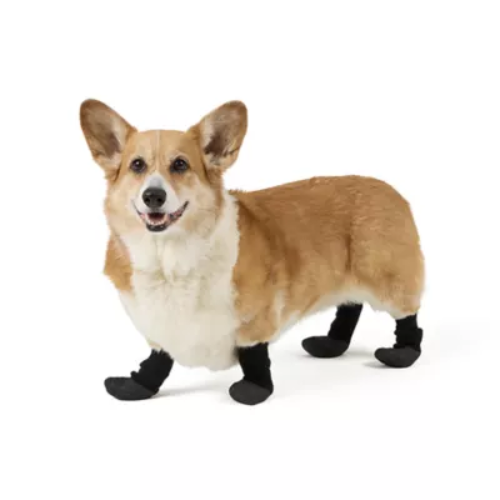
Summer changes the requirements for dog footwear. A product that works well in winter or mild weather may become uncomfortable when temperatures rise, especially if the fabric traps heat or moisture around the paw. This makes summer dog socks more than a seasonal color or pattern update. Material selection, ventilation, grip, sizing, and production flexibility all influence whether a summer socks for dogs is commercially viable.
What Makes Dog Socks for Summer Cool, Breathable, and Comfortable?
Why does breathable mesh matter in summer dog socks?
Breathability is one of the first specifications buyers should examine. Dogs regulate heat differently from humans, and their paws can become exposed to hot surfaces during outdoor activity. A dense fabric may provide durability, but excessive material thickness can increase heat and moisture retention.
For dog socks for summer, lightweight mesh is therefore valuable because its open structure can encourage air circulation around the paw. Polyester mesh is commonly considered when manufacturers need a balance between ventilation, abrasion resistance, and dimensional stability. A finer mesh can provide a smoother surface, while a more open structure may prioritize airflow.
However, “mesh” alone should not be treated as a quality indicator. Buyers should check the yarn construction, mesh density, elasticity, stitching, and how the fabric behaves after repeated washing. An extremely open mesh may improve ventilation but provide less resistance to scratching or outdoor debris.
Do cooling fabrics actually make summer socks cooler?
Some summer socks for dogs use lightweight moisture managing or cooling oriented fabrics. These materials are intended to reduce the uncomfortable feeling caused by accumulated heat and perspiration around the paw.
The most practical summer construction is often a combination of lightweight fabric, sufficient elasticity, breathable zones, and minimal unnecessary layers.
Should summer dog socks have anti-slip grips?
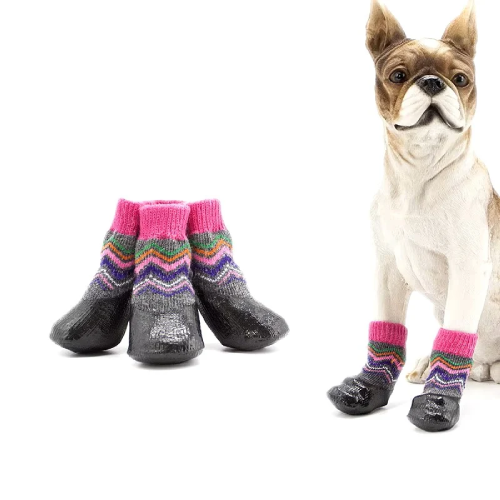
Yes, but grip design needs to match the intended application. Indoor socks may use silicone dots or printed grip patterns for hardwood and tile floors. Outdoor-oriented products may require a different structure because pavement, grass, and rough surfaces create greater abrasion.
This creates an important B2B product-development decision: adding more silicone does not automatically create a better product. Excessive grip material can increase weight, reduce fabric flexibility, and affect production cost. A well-designed dog socks for hot weather product should maintain traction without making the sock feel rigid.
How Should Buyers Evaluate Summer Socks for Dogs for Different Applications?
Are summer socks better for indoor use or outdoor walks?
The answer depends on the product construction.
Indoor summer socks for dogs can prioritize softness, flexibility, anti-slip performance, and easy washing. Dog socks for summer may be suitable for homes with smooth floors, older dogs that need additional traction, or pets that require paw protection while recovering from minor problems.
Outdoor products require a more demanding specification. We should consider resistance to abrasion, secure retention, paw coverage, moisture exposure, and the type of ground where the product will be used.
A lightweight sock designed primarily for indoor comfort should not automatically be marketed as a replacement for rugged outdoor footwear. This distinction matters for wholesalers because inaccurate positioning can increase returns and customer complaints.
How important is sizing when sourcing dog socks for summer?
Sizing is one of the most common commercial problems in pet footwear. Dogs vary significantly in paw width, paw length, leg shape, and coat thickness. A dog socks for summer product can have excellent fabric and still fail if it twists, slips off, or restricts movement.
For dog socks for summer, we should evaluate both paw dimensions and the elasticity of the opening. The cuff needs enough tension to remain secure while avoiding excessive compression. Different size ranges should also be tested on actual dogs rather than relying only on nominal S, M, L, or XL labels.
For private label brands, a detailed size chart can become part of the product itself. Packaging should explain where to measure the paw and how to choose between sizes. This can reduce customer uncertainty and improve the purchasing experience.
What should wholesalers check before placing a bulk order?
Instead of comparing unit prices alone, buyers should request samples and assess several practical factors:
Fabric airflow and thickness
Elasticity and recovery after stretching
Stitching quality around the cuff
Silicone grip adhesion
Resistance to washing
Colorfastness
Size consistency between production batches
Packaging and labeling options
MOQ for standard and customized products
These checks are particularly important for dog socks for hot weather, because lightweight materials can create a trade-off between comfort and durability.
What Are Wholesale Prices and OEM Options for Summer Dog Socks?
How should B2B buyers evaluate wholesale pricing?
Wholesale pricing for summer socks for dogs varies according to fabric, construction, size range, grip technology, packaging, order volume, and customization requirements. A basic stock item may have a very different cost structure from a private-label product with custom materials and packaging.
Publicly listed pet-footwear products show that Chinese suppliers use substantially different MOQs and price structures depending on product type and customization. This means buyers should avoid using a single online listing as a benchmark for an entire product category.
A more useful approach is to request a quotation based on a specific specification: material, number of sizes, colors, logo method, packaging, quantity, and shipping terms.
For a new pet brand, standard products with customized packaging can reduce initial development costs. Established distributors may instead benefit from modifying fabric, sizing, patterns, grip structure, or packaging to create a differentiated SKU.
What can be customized through OEM?
OEM options for dog socks for summer can include:
Custom fabric combinations
Custom colors and patterns
Brand logos
Woven labels or printed labels
Customized silicone grip patterns
Size specifications
Retail packaging
Hangtags and care instructions
Seasonal collections
What Should B2B Buyers Ask Before Choosing Dog Socks for Hot Weather?
Can lightweight socks solve every summer paw problem?
No. Dog socks for hot weather should be positioned according to their actual construction and intended use. Lightweight socks can improve comfort and provide a barrier between paws and certain surfaces, but they should not automatically be presented as protection against every extreme outdoor condition.
This is especially important when selling products for very hot pavement. Product construction, sole or grip design, duration of exposure, and local temperature all influence suitability.
What are the most important quality control points?
For dog socks for hot weather, manufacturers should pay particular attention to fabric consistency, seam strength, cuff elasticity, grip adhesion, dimensional consistency, and final appearance.
How can brands avoid creating a product that looks good but performs poorly?
The most effective approach is to define the product around a specific use case before selecting materials.
A summer indoor sock may prioritize softness and traction. Walking dog socks for summer may need stronger abrasion resistance. A premium seasonal dog socks for summer product may focus on lightweight technical fabric, refined branding, and packaging. Treating all dog socks for summer as the same product category can lead to unnecessary compromises.
FAQ: What should I ask a summer dog sock manufacturer?
Q1: Is mesh always better for summer?
Not necessarily. Mesh improves ventilation, but the correct dog socks for summer structure depends on durability, elasticity, and intended use.
Q2: Are cooling fabrics necessary?
Not always. A lightweight, breathable fabric may already provide suitable comfort. Buyers should evaluate measurable material characteristics rather than relying only on “cooling” terminology.
Q3: What MOQ should a new brand expect?
There is no universal MOQ. Stock dog socks for summer products, logo customization, custom colors, new molds, and fully customized designs can have different minimum quantities. Discuss the complete specification before comparing quotations.
Q4: Is OEM suitable for a small pet brand?
It can be, particularly when the supplier allows existing product structures to be combined with customized colors, branding, and packaging rather than requiring a completely new product.
Q5: What should be tested before bulk production?
Test fit, walking stability, ventilation, cuff retention, washing performance, grip durability, stitching, and size consistency. A sample that performs well on one dog should ideally be tested across several breeds and paw sizes.
For brands, wholesalers, and distributors planning a summer collection, Guangzhou Petsun can be considered as one manufacturer option for discussing dog socks for summer development, wholesale supply, and OEM requirements. Product specifications and customization details should be confirmed according to the intended market, target price, and application before bulk production.
Common Quality Problems in Dog Shoes
Dog Socks for Hot Pavement: Protect Paws from Burns
Related Article
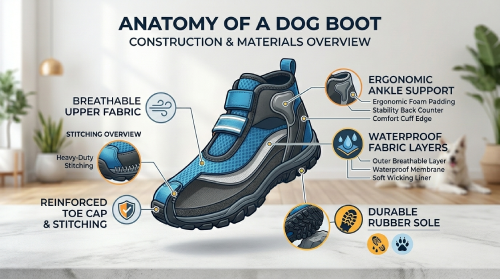
Explore dog shoe anatomy, key components, material selection, construction methods, and OEM customization tips to help B2B buyers source durable, comfortable dog footwear. - Guangzhou Petsun
Anatomy of a Dog Shoe: A Complete Guide to Components, Materials, and Construction
Discover winter dog socks, snow socks for dogs, warm insulation, waterproof materials, and anti-slip designs. Explore wholesale, OEM/ODM customization, and B2B sourcing strategies.
Winter Dog Socks Warm and Cozy Options for Cold Weather