How to Make Dog Shoes: Complete DIY Guide & Wholesale Options
author: Gigi
2026-10-22
Dog shoes help protect paws from hot pavement, snow, rough surfaces, and outdoor debris. For pet owners, learning how to make a dog shoes at home is a practical way to understand footwear construction and test simple designs. For wholesalers, retailers, and private-label brands, DIY methods also reveal the material requirements, manufacturing challenges, and commercial opportunities behind dog footwear.
However, homemade shoes and commercially manufactured products serve different purposes. While DIY footwear is useful for experimentation, finished dog shoes offer more consistent sizing, scalable production, and broader customization options. Understanding these differences can help businesses choose suitable products for their target markets.
Chapter 1. How to Make Dog Shoes at Home: Materials and Construction Methods
1. What Materials Do You Need to Make a Dog Shoe?
Before exploring how to make shoes for dogs, determine the intended application. Indoor footwear, summer paw protection, and winter boots require different materials and construction methods.
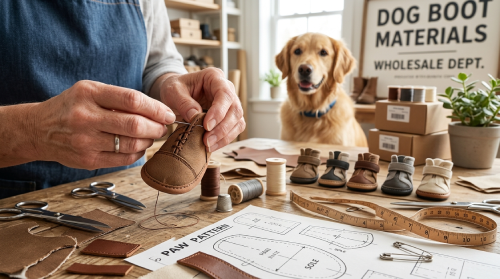
Common materials include breathable mesh, cotton fabric, fleece, flexible rubber sheets, elastic bands, hook-and-loop fasteners, and durable thread. A measuring tape, scissors, paper patterns, and a sewing machine are useful for fabric-based designs.
Measure each paw while the dog is standing, recording both length and width. Front and rear paws may differ in size, so measuring all four paws helps improve fit. The shoe should allow natural toe movement without excessive space that causes twisting or slipping.
2. How to Make Dog Shoes with Rubber Soles or Fabric Bottoms
A basic rubber-soled shoe consists of an upper, an outsole, and a fastening system. First, create a paper pattern based on the paw measurements. Cut the upper fabric and flexible rubber sole, then attach them using compatible stitching or adhesive.
The main challenge is the connection between the upper and outsole. Repeated bending can weaken adhesive bonds, while stiff seams may create pressure points. Sole thickness, rubber flexibility, and tread design also affect walking comfort and traction.
Fabric-bottom shoes are easier to sew but offer limited abrasion resistance and water protection. They may work for light indoor use, but outdoor applications require careful evaluation of the surface conditions and material durability.
3. How to Make Dog Shoes Out of Socks
Learning how to make dog shoes out of socks is one of the simplest DIY approaches. Select a soft sock, adjust its length, and add a secure fastening system that does not restrict circulation. A non-slip sole layer may improve traction if it remains firmly attached.
Nevertheless, socks can rotate, absorb moisture, and slip off during movement. They provide little protection against sharp objects or extreme temperatures. Homemade traction coatings may also crack or detach after repeated washing.
Sock-based designs are therefore better suited to short, supervised indoor use or preliminary fit testing than demanding outdoor activities.
Chapter 2. How to Make Dog Shoes for Summer and Winter
1. How to Make Dog Shoes for Summer with Breathable Materials
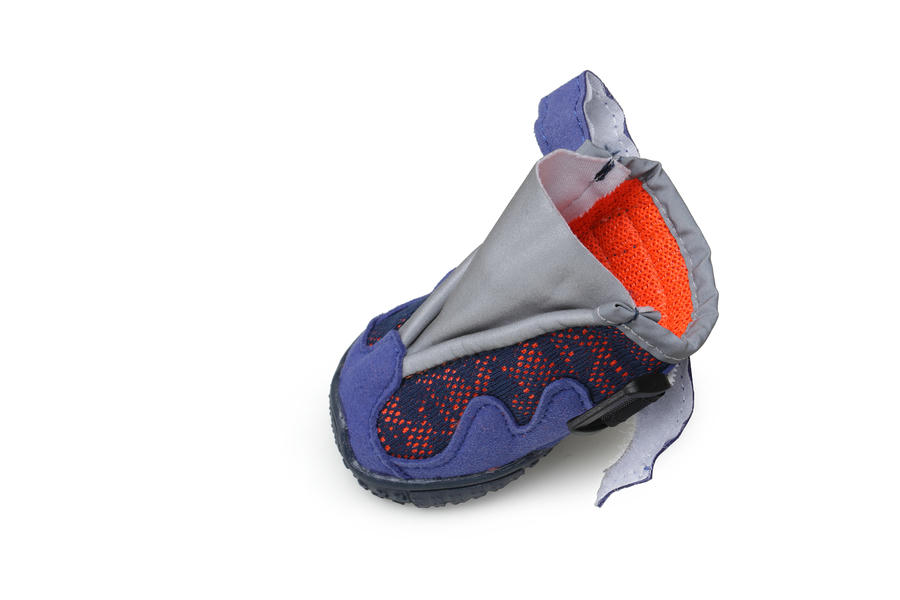
When considering how to make dog shoes for summer, prioritize lightweight mesh, breathable textiles, and flexible outsoles. The upper should promote airflow and reduce friction, while the sole provides protection against abrasive surfaces and moderate environmental exposure.
Material selection requires balancing ventilation with durability. Very thin fabrics may tear quickly, whereas dense coatings can reduce breathability. Dark materials may also become hot in direct sunlight, making temperature management an important design consideration.
The shoe opening must remain secure without compressing the leg. For commercial products, consistent sizing and well-positioned fasteners can help reduce slipping and customer complaints.
Even with suitable footwear, dogs should not walk on dangerously hot pavement. Owners should check surface temperatures and monitor their dogs for discomfort.
2. How to Make Dog Shoes for Winter with Better Insulation and Grip
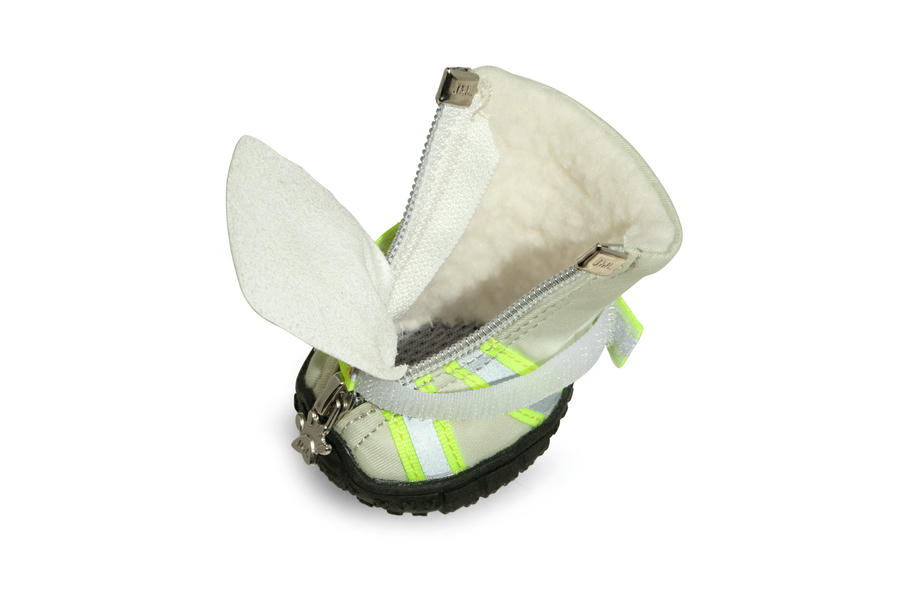
Winter footwear requires different priorities. When learning how to make dog shoes for winter, consider insulating linings, weather-resistant uppers, flexible rubber soles, and tread patterns that improve traction.
Fleece can provide warmth, while water-resistant fabrics help limit moisture penetration. However, waterproof performance depends on the entire construction, including seams, openings, and the sole connection. A water-resistant upper alone does not guarantee that the shoe will remain dry.
Excessive insulation can make footwear bulky and interfere with natural movement. The goal is to balance warmth, flexibility, and secure fastening rather than simply making the shoe thicker.
For manufacturers, winter dog shoes also present opportunities to develop differentiated products for snow, rain, and cold-weather walking. Retailers can use these functional differences to create more focused seasonal product ranges.
Chapter 3. DIY Dog Shoes vs. Commercial Products: What B2B Buyers Should Know
1. Why Are Finished Dog Shoes More Practical for Wholesale?
DIY footwear is useful for testing basic shapes and understanding construction. However, individual measuring, cutting, sewing, and fitting require considerable labor. Material waste and inconsistent workmanship can increase the cost per usable pair.
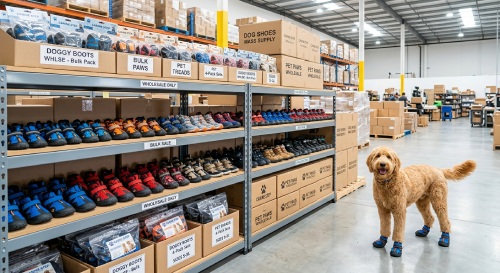
Commercial dog shoes offer several advantages. Bulk purchasing can reduce unit costs, standardized sizing supports inventory planning, and repeatable manufacturing processes help maintain product consistency. Businesses can also compare product specifications before committing to larger orders.
Customization is another important advantage. Depending on supplier capabilities, buyers may request different colors, materials, size ranges, fastening systems, logos, and packaging. These options help private-label brands develop differentiated products without establishing their own manufacturing facilities.
2. How Can Retailers Evaluate a Dog Shoe Supplier?
Price alone is not a reliable measure of value. Buyers should examine material specifications, sole durability, stitching quality, size consistency, fastening strength, and suitability for the intended climate.
Request samples before placing bulk orders and evaluate them under realistic conditions. Check whether the shoes remain secure during walking, whether the soles flex naturally, and whether seams or fasteners show signs of premature wear.
For customized projects, confirm minimum order quantities, sample fees, logo application, packaging options, production lead times, and defect-handling policies. A clear specification sheet helps reduce misunderstandings and maintain consistency across repeat orders.
Businesses should also calculate total landed cost, including production, packaging, freight, and potential returns. A lower purchase price may not produce better margins if the product has a high defect rate or inconsistent sizing.
Chapter 4. Dog Shoe DIY and Wholesale FAQ: Common Problems and Solutions
How to Make a Dog Shoe Stay on Without Restricting Movement?
Shoes that slip often have incorrect sizing, unsuitable shapes, or ineffective fastening systems. Measure the paw while weight-bearing, check the fit around its widest point, and observe whether the shoe rotates during walking.
For commercial designs, adjustable closures and appropriately shaped uppers can improve retention. However, fasteners must not create excessive pressure or restrict circulation.
How to Make Dog Wear Shoes If a Dog Refuses Them?
Introduce footwear gradually through positive reinforcement. Let the dog inspect the shoes, begin with short indoor sessions, and reward calm behavior. Avoid forcing the paws into tight openings.
Persistent limping, chewing, or distress may indicate poor fit or discomfort. Remove the shoes and reassess the design before trying again.
Are DIY Dog Shoes Suitable for Wholesale Business?
DIY methods are useful for early-stage prototyping, but wholesale production requires repeatable dimensions, reliable materials, consistent workmanship, and sufficient manufacturing capacity. Producing every pair manually can make quality control and cost management difficult as order volumes grow.
Established manufacturers can offer a more scalable solution, provided buyers verify samples, specifications, and quality-control procedures before ordering.
What Should Buyers Check Before Ordering Custom Dog Shoes?
Key considerations include target customer needs, seasonal suitability, size coverage, outsole performance, customization options, minimum order quantities, and total landed cost. Buyers should also clarify acceptable defect rates and how product specifications will be maintained between batches.
Understanding how to make a dog shoe provides a useful foundation for evaluating footwear design. For businesses entering the pet footwear market, the next step is to compare finished products, validate supplier capabilities, and identify a product range suited to customer demand.
Contact Guangzhou Petsun to discuss your dog shoe requirements and request a wholesale quotation for bulk purchasing or customized products.
Related Article
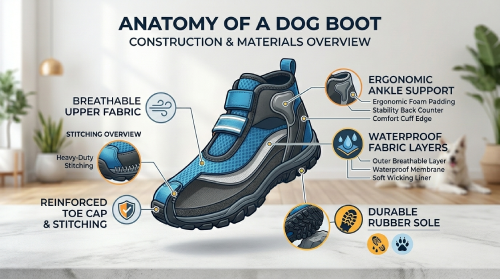
Explore dog shoe anatomy, key components, material selection, construction methods, and OEM customization tips to help B2B buyers source durable, comfortable dog footwear. - Guangzhou Petsun
Anatomy of a Dog Shoe: A Complete Guide to Components, Materials, and Construction
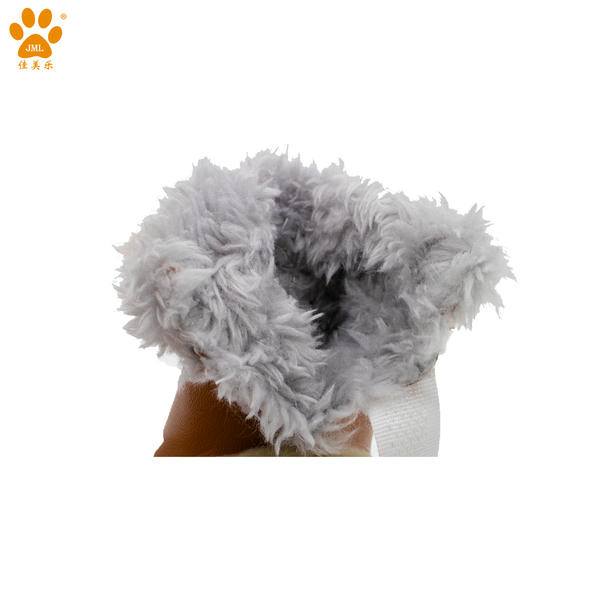
Discover winter dog socks, snow socks for dogs, warm insulation, waterproof materials, and anti-slip designs. Explore wholesale, OEM/ODM customization, and B2B sourcing strategies.
Winter Dog Socks Warm and Cozy Options for Cold Weather