How to Put Shoes on a Dog: Step-by-Step Fitting Guide
author: Gigi
2026-10-23
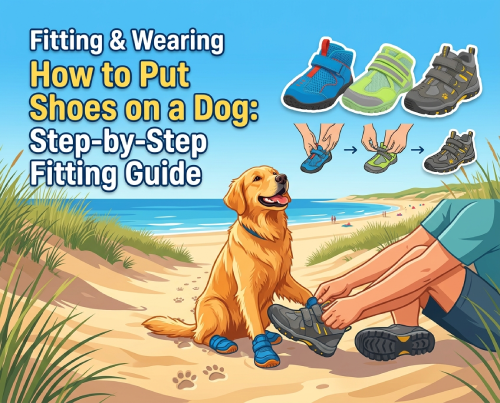
Dog shoes can protect paws from hot pavement, snow, rough surfaces, and outdoor debris, but even well-designed footwear may fail if it fits poorly or is introduced too quickly. For pet owners, learning how to put on dog shoes involves more than sliding a shoe over each paw. Correct sizing, secure fastening, and gradual training all influence comfort and retention.
Chapter 1. How to Put Shoes on a Dog: Choose the Right Size and Style
1: How Do You Measure a Dog's Paws Before Buying Shoes?
Before learning how to put shoes on a dog, measure its paws while the dog is standing, with weight distributed naturally. Place a paw on paper, mark its widest points and longest dimension, and measure the outline. Repeat for all four paws because front and rear paws may differ.
Compare the measurements with the manufacturer's size chart rather than choosing a size based only on breed or body weight. A shoe that is too narrow may compress the toes, while an oversized shoe can rotate, slip off, or create friction.
Also consider the opening width, shoe depth, sole flexibility, and lining thickness. Dogs with broad paws, long nails, or furry feet may need different proportions even when their paw length is similar.
2: Which Dog Shoe Closure Is Easiest to Put On?
Understanding how to put dog shoes on becomes easier when the closure matches the dog's needs.
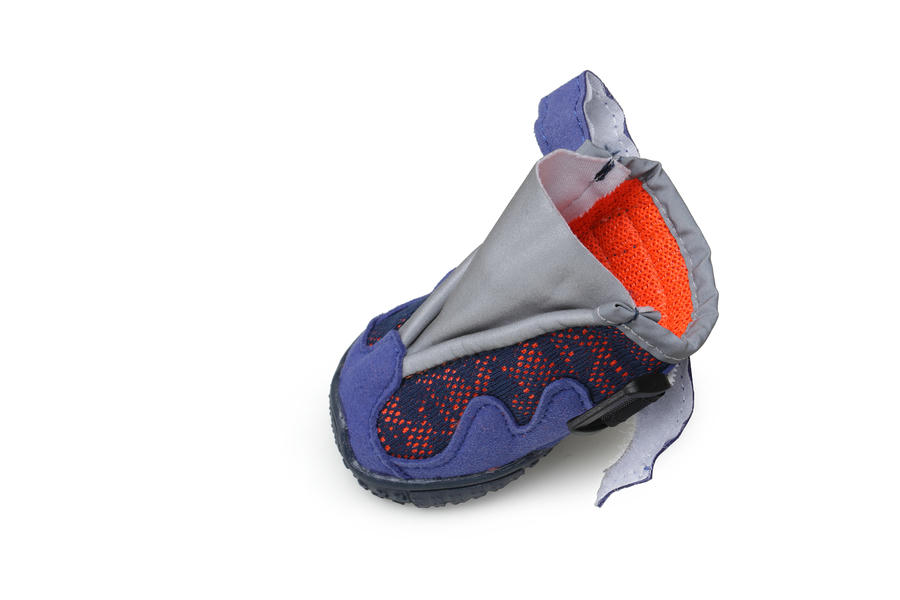
Hook-and-loop shoes are generally easy to open, adjust, and remove. They suit many everyday applications, provided the straps hold securely and do not press excessively against the leg.
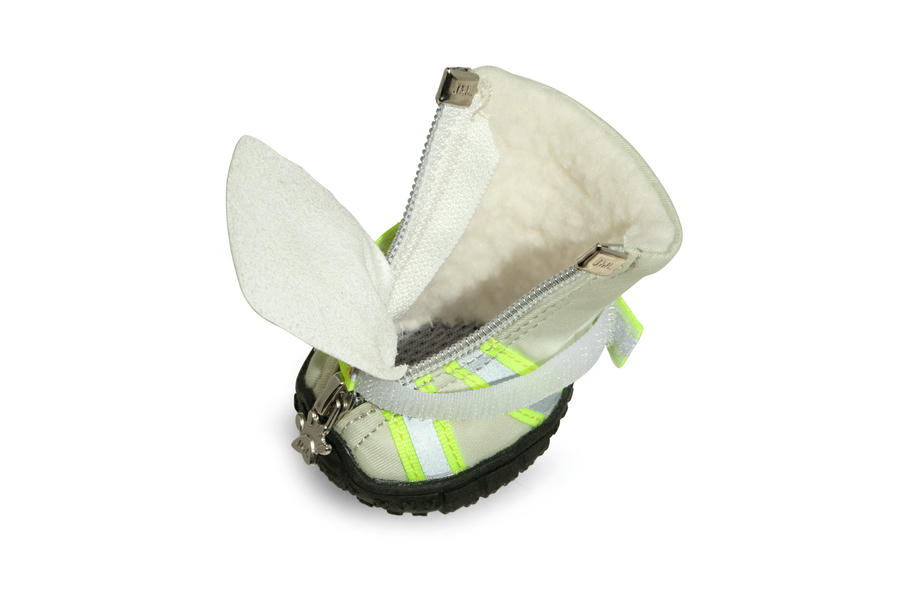
Zipper-style shoes can provide a wider opening when designed appropriately, making them useful for dogs whose paws are difficult to guide into narrow footwear. However, the zipper must not catch fur or press against the skin.
Strap or buckle designs allow adjustment around the leg and may offer additional retention. Their effectiveness depends on strap placement, adjustability, and how easily owners can fasten them without overtightening.
For retailers, ease of use is a product feature worth demonstrating. A shoe that performs well but is difficult for customers to put on may generate more complaints and returns than a similarly protective design with a simpler closure.
Chapter 2. How to Put Dog Shoes on Step by Step
1: How Should You Prepare Your Dog Before Putting on Shoes?
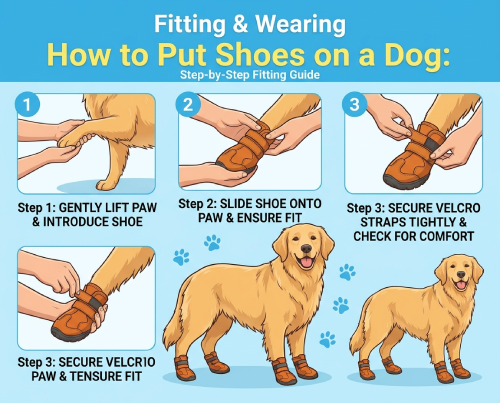
Before you learn how to put shoes on your dog, allow it to inspect and sniff the footwear. Choose a calm environment and reward relaxed behavior with treats. If the dog is unfamiliar with paw handling, gently touch each paw for a few seconds before introducing the shoe.
Avoid rushing this stage. Pulling a paw away, repeatedly licking the foot, or showing signs of anxiety may indicate discomfort or uncertainty. Short, positive sessions are generally more effective than forcing the dog to tolerate a complete fitting immediately.
2: How Do You Slide the Shoe on Without Hurting the Paw?
Open the shoe fully and gently hold the paw without squeezing the toes. Guide the paw into the opening, making sure the toes reach the front without being curled or compressed. Smooth the upper around the paw and check that fur is not trapped inside the closure.
When demonstrating how to put dog shoes on, retailers should emphasize that the shoe must sit naturally rather than being pulled tightly into position. If the paw will not enter easily, check the opening width and shoe size instead of forcing it.
Repeat the process for each paw, allowing breaks when needed. Once all shoes are fitted, let the dog stand and take a few steps on a safe indoor surface.
3: How Tight Should the Velcro Straps or Buckles Be?
Fasten each closure firmly enough to prevent excessive movement, but not so tightly that it restricts circulation or causes pressure. The shoe should remain stable without squeezing the leg.
For hook-and-loop designs, position the strap according to the product's instructions and ensure sufficient contact between the fastening surfaces. For buckles or adjustable straps, check that the closure does not dig into the skin.
Owners learning how to put shoes on dog paws should inspect the fit after the first few steps. Watch for twisting, slipping, unusual gait changes, or repeated attempts to remove the shoes. Remove and refit any shoe that causes discomfort.
Chapter 3. Training Dogs to Wear Shoes and Choosing the Right Product for Retail
1. How Can Dogs Get Used to Wearing Shoes?
Correct fitting does not guarantee immediate acceptance. Some dogs initially walk awkwardly because the footwear changes their tactile feedback and movement. Gradual training helps them become familiar with the sensation.
Start with a few seconds of wearing the shoes indoors, then reward calm behavior. Increase the duration gradually and introduce short walks only when the dog moves comfortably. Check the paws after each session for redness, rubbing, moisture, or damaged nails.
For customers asking how to put shoes on your dog without resistance, retailers should explain that training and product fit work together. A lightweight shoe with a wide opening may be easier for beginners, while an active dog may need stronger retention and a more durable outsole.
Shoes should not remain on unattended dogs for extended periods. Owners should follow the product's care instructions and remove footwear if discomfort, overheating, or irritation occurs.
2. How Should Retailers Recommend Velcro, Zipper, and Strap Dog Shoes?
Product selection should reflect the customer's priorities rather than relying on a single design for every dog.
Hook-and-loop shoes are suitable for owners who value quick fastening and easy adjustment. Zipper designs may simplify insertion when the opening is sufficiently wide, but retailers should highlight the need to protect fur and skin from the zipper. Strap and buckle styles may provide adjustable retention for outdoor activities, although some customers may find them slower to secure.
From a B2B perspective, offering several closure types can serve different customer groups and price segments. Retailers should evaluate opening width, closure durability, adjustability, sole flexibility, and cleaning requirements when comparing suppliers.
Guangzhou Petsun, established in China in 1999, specializes in high-quality pet shoes, with a focus on design, production, and wholesale. Its mission emphasizes quality, innovation, customer satisfaction, and environmental responsibility.
Retailers can also reduce avoidable returns by providing clear measuring instructions, closure demonstrations, and fitting guidance with each product. These resources help customers understand not only which shoe to buy, but how to use it correctly.
Chapter 4. Dog Shoe Fitting FAQ: Common Problems and Practical Solutions
Why Do Dog Shoes Keep Falling Off?
Common causes include incorrect sizing, an unsuitable shoe shape, loose fasteners, or excessive movement around the paw. Recheck the measurements, confirm that the toes sit correctly, and adjust the closure according to the manufacturer's instructions. If the shoe continues to slip, a different design may be necessary.
Why Does My Dog Walk Strangely After Putting on Shoes?
An unfamiliar sensation may cause temporary awkward movement, but persistent limping should not be dismissed as normal adjustment. The shoes may be too heavy, stiff, tight, or poorly shaped. Remove them, inspect the paws, and reassess the fit before trying again.
Should Dogs Wear All Four Shoes?
It depends on the activity and protection required. Some situations may call for protection on all four paws, while others may involve only specific paws. Because front and rear paws can differ in size, each shoe should be fitted individually rather than assuming all four require identical dimensions.
How Can Wholesale Buyers Reduce Returns Caused by Poor Fit?
Buyers should request detailed size charts, inspect samples, and verify closure performance across the intended size range. Product descriptions should explain how to measure paws, adjust fasteners, and recognize an incorrect fit. Consistent sizing and clear customer instructions can reduce confusion and improve purchasing confidence.
Learning how to put on dog shoes correctly requires the right combination of sizing, fastening, and gradual training. For retailers and distributors, understanding these factors supports better product recommendations, fewer fit-related complaints, and a more reliable customer experience.
Contact Guangzhou Petsun to discuss your dog footwear requirements and request a wholesale quotation for bulk purchasing or customized products.
Related Article
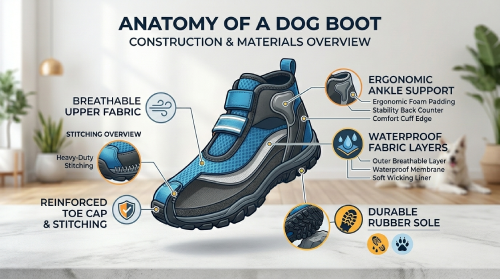
Explore dog shoe anatomy, key components, material selection, construction methods, and OEM customization tips to help B2B buyers source durable, comfortable dog footwear. - Guangzhou Petsun
Anatomy of a Dog Shoe: A Complete Guide to Components, Materials, and Construction
Discover winter dog socks, snow socks for dogs, warm insulation, waterproof materials, and anti-slip designs. Explore wholesale, OEM/ODM customization, and B2B sourcing strategies.
Winter Dog Socks Warm and Cozy Options for Cold Weather