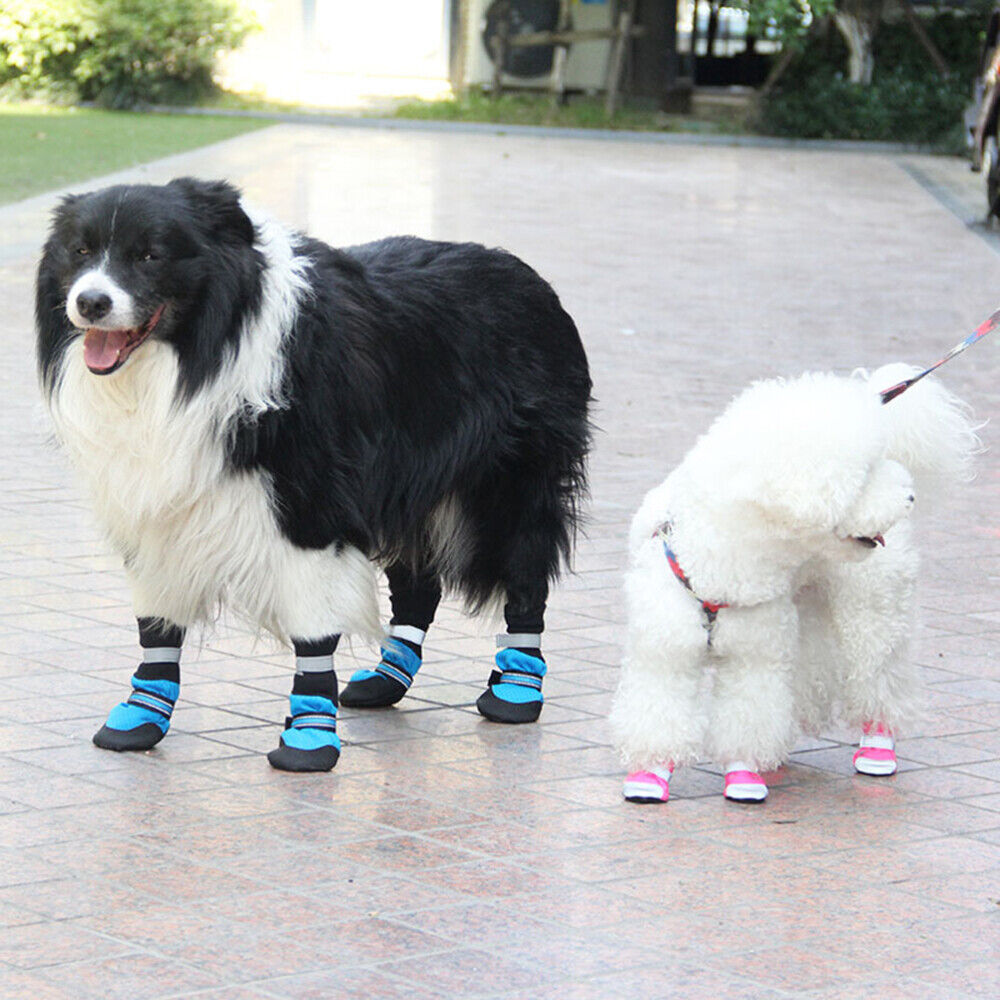
How to Choose the First Footwear for Small Dogs
Key Takeaway for Pet Parents & B2B Buyers: The best shoes for puppies prioritize featherweight flexibility, low-profile non-restrictive soles, smooth internal seams, gentle ankle retention that respects the dewclaw, and millimeter-accurate small-paw sizing. On the commercial side, rising demand for puppies in shoes across dense urban apartments, pet grooming salons, and online retail makes well-engineered small-dog footwear and Wholesale Dog Shoes a high-retention category when sizing tolerances, comfort details, and supplier lead times are properly managed.
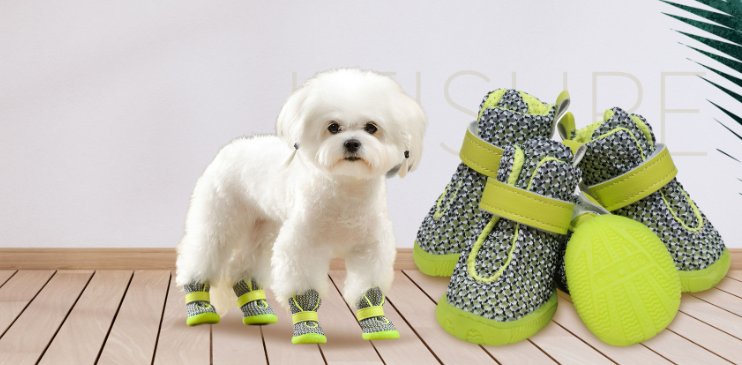
1. Why Are Puppy and Small-Dog Paws Different From Adult Paws?
Understanding juvenile canine anatomy is the foundation of safe puppies shoes selection and product development. A puppy's paws and lower limbs are still actively maturing, meaning overly stiff soles, heavy uppers, or constrictive straps can interfere with normal posture, balance, and movement.
How Do Developing Paw Pads and Bones Shape Early Footwear Needs?
Unlike adult dogs whose paw pads have thickened into resilient, calloused cushions through years of walking across varied surfaces, a puppy's digital and metacarpal pads are soft, moist, and thinly keratinized. Walking on abrasive concrete, scorching summer asphalt, sharp gravel, or chemical ice-melting salts can scrape, burn, or dry out young pads far faster than owners expect. At the same time, epiphyseal growth plates in a puppy's metacarpal bones, phalanges, and carpal/tarsal joints are still open and remodeling.
If a boot features a thick, rigid outsole or high torsional stiffness, a small puppy cannot flex the sole naturally at the toe-off phase of its stride. Instead, the dog may lift its legs exaggeratedly, shift weight awkwardly onto its heels or outer edges, or shorten its stride length—creating unnatural joint leverage on growing limbs. First-time footwear therefore requires a supple, low-mass sole that bends easily by hand and yields to normal digital pad splay so shock absorption and gait mechanics remain natural.
Why Do Dewclaws and Narrow Ankles Require Special Attention?
Small breeds and young puppies have slender lower legs where the diameter tapers sharply above the paw pad toward the carpus (wrist) or tarsus (hock), while the dewclaw sits slightly higher on the inner side of the leg. Because the ankle narrows quickly, a boot's retention strap or elastic cuff sits right near the level of the dewclaw and sensitive flexor/extensor tendons. If a cuff is cut straight without anatomical taper or if a stiff closure strap is cinched tightly over the dewclaw, it can press into the claw base or chafe the skin during repeated flexion.
From a design and purchasing perspective, effective small-dog and puppie shoes use contoured ankle openings, soft rolled or bound collars, and adjustable closure zones positioned cleanly to avoid hard pressure points. Inspectors and buyers should check that straps have enough adjustment range to hold securely on a slender leg without requiring excessive tension or leaving sharp hook edges exposed against delicate skin.
How Fast Do Puppy Paw Sizes Change During Growth Stages?
Puppies do not grow in a slow, linear straight line; they grow in noticeable spurts, and paw dimensions often advance ahead of or alongside changes in body weight. Toy and small breeds typically reach near-adult paw widths earlier than large breeds, yet during rapid early growth a puppy can outgrow a size within four to eight weeks. A boot that fits with comfortable toe allowance today can quickly become cramped in width or length, causing toes to curl or rub against the front wall.
For pet parents, this means checking paw width and length every few weeks during early growth is essential rather than relying on a single fitting at adoption. For B2B buyers and retailers, rapid early growth drives repeat size-up purchases across small sizes—making consistent size grading between adjacent micro and small sizes vital so customers can step up smoothly without relearning fit.
2. What Size Ranges and Fit Criteria Matter Most for Puppies and Small Dogs?
Sizing inaccuracy is the single most common reason owners give up on shoes puppies after a few attempts. Because miniature paws are compact—frequently under 4 cm (1.57 in) wide—rough weight estimates alone are unreliable, and millimeter-level internal measurements must govern selection.
How Should You Measure a Puppy's Paw Length and Width Accurately?
Accurate paw measurement requires capturing both length and width while the puppy stands in a natural, weight-bearing posture rather than while sitting or lying down. When a puppy sits or is held in the air, the digital pads remain contracted and the toes stay loosely curled, which produces noticeably smaller numbers than the paw's actual footprint under load. Place a sheet of plain paper on a firm, flat surface (avoiding deep plush rugs that sink under the paw), guide the puppy to stand squarely with weight distributed evenly, and apply gentle downward pressure on the shoulder or hip so the toes splay naturally as they do during walking.
Mark the paper at the back edge of the largest rear metacarpal/digital pad and at the tip of the longest toenail (usually a central toe) to measure length, then mark the outermost left and right edges of the paw pads to measure width. Measure both in millimeters using a steel ruler or caliper so small fractions are not lost to rounding. Always measure all four paws individually—front and rear paws often differ in width or length because front limbs bear roughly 60% of body weight—and size up to the largest paw measurement in the set. Also trim overgrown nails prior to measuring so nail length does not distort toe clearance once trimmed.
What Size Ranges Cover Toy Breeds, Puppies, and Small Dogs?
Standard adult canine footwear charts frequently start at sizes built for medium or large dogs, leaving toy breeds, puppies, and miniature dogs in boots that twist sideways, drag on the ground, or slip off within a few steps. Dedicated small-dog and dog shoes for puppies lines need finely graded micro and small sizes—commonly spanning XXS, XS, and S (roughly around 2.5 cm to 5.0 cm in internal width depending on the brand's last geometry)—with tight, logical increments between sizes. Because small breeds and growing puppies have narrow dimensional windows, overly wide jumps between sizes force buyers to choose between a cramped toe box and a loose boot that causes tripping.
Equally critical is distinguishing true internal cavity dimensions from external outsole dimensions. Thick wrap-around rubber bumpers, molded toe caps, and seam allowances can add 6 mm to 14 mm to the outside of a miniature boot, making a boot look larger externally than the space available inside. Buyers, product developers, and pet parents should rely on interior cavity length and width—leaving roughly 2 mm to 4 mm of forward allowance in front of the longest nail so toes can splay without hitting the front wall, while avoiding excessive excess length at the toe or heel that catches on stairs or curbs.
How Can You Tell If a First Pair Fits Comfortably or Feels Restrictive?
Because a puppy cannot verbally report a pinch or pressure spot, observing movement mechanics and checking the paw after wear provide the clearest fit evaluation. A comfortable, well-proportioned fit typically shows the boot staying aligned on the paw during normal walking and gentle trotting without spinning around the leg, natural toe placement without exaggerated high-stepping or toe-dragging, and enough room at the top cuff to slide a finger comfortably without constricting circulation.
Conversely, signs of an improper or overly restrictive fit include the boot twisting sideways or slipping off easily during light motion, repeated paw shaking, frantic licking, or persistent chewing after the initial novelty wears off, toes curling or buckling against the front wall, or visible redness, indentation, or chafing along the paw pads, inner ankle, or dewclaw once removed. When a puppy is in its rapid growth window, a boot that fit comfortably three or four weeks ago can become tight in width before it looks visibly worn out—making periodic re-measurement and timely size-ups essential for both comfort and joint health.
3. Which Comfort and Design Features Suit First-Time Puppy Footwear?
First-time footwear should reduce sensory shock and physical resistance so a young dog can focus on walking comfortably. Thoughtfully engineered Pet Shoes for puppies and small breeds treat weight, sole pliancy, and interior smoothness as core performance specs rather than afterthoughts.
How Do Sole Flexibility, Weight, and Traction Affect Puppy Confidence?
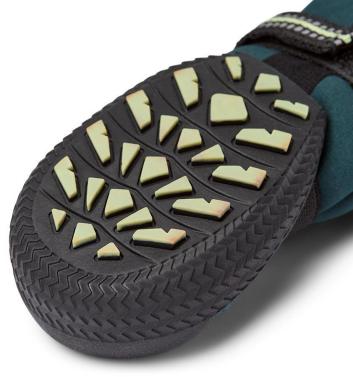
When a tiny puppy puts on boots that feel heavy or rigid like miniature blocks of wood, the sudden change in mass and ground resistance often triggers high-stepping, freezing, or backward hopping. Keeping individual boot weight low and using a flexible sole—such as supple thermoplastic rubber (TPR) or soft vulcanized rubber with moderate durometer—allows the sole to bend smoothly with the paw and preserves enough tactile feedback for balance.
Traction must also match the surfaces the puppy encounters. Smooth, un-treaded bottoms can slip on polished hardwood, tile, or wet sidewalks, making a nervous puppy tense up, whereas overly aggressive, sharp lugs can feel awkward on flat indoor floors or snag unnecessarily. A balanced, low-profile tread pattern with reliable grip helps small dogs move steadily and build confidence.
Why Are Soft Linings, Flat Seams, and Wide Openings Essential?
A puppy's skin and paw pads are delicate, and small boots leave very little interior space to hide rough construction. Exposed overlock stitching ridges, stiff collar bindings, or hardened adhesive spots inside the toe box can rub a raw spot on a tender pad or dewclaw in a single short outing. Smooth, skin-friendly linings—such as soft breathable mesh, brushed jersey, or plush fleece for cold weather—paired with flat or bound internal seams reduce friction significantly.
Wide-opening gussets or dual-strap designs are another major comfort advantage for both puppies and owners. A cuff that opens wide lets you slide a small paw in smoothly without forcing the joint, and secure yet gentle straps keep the boot from slipping down without needing to over-tighten a single narrow band.
How Should Breathability and Weather Protection Be Matched to Season?
Choosing the right upper construction for the season keeps small dogs comfortable and prevents moisture buildup. In warm weather, indoor training, or mild climates, breathable mesh or knit uppers allow air circulation and help prevent sweaty, overheated paws that can become irritated or slippery inside a closed boot.
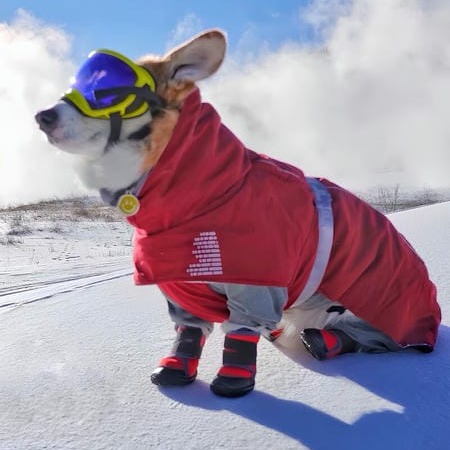
In cold, wet, snowy, or road-salted conditions, wind-resistant or water-resistant/waterproof uppers and protective sole barriers shield sensitive pads from freezing temperatures, wet slush, and harsh de-icing chemicals. Matching breathability and weather protection to actual walking conditions ensures the boot solves a real environmental need without overheating the puppy.
| Footwear Type / Material | Best Use Case & Environment | Key Comfort & Fit Advantages | Selection & Sourcing Criteria |
|---|---|---|---|
| Breathable Mesh / Knit Soft-Sole Boots | First-time indoor acclimation, mild weather, warm pavement, light walks | Very lightweight, high flexibility, promotes natural toe splay and airflow | Check anti-snag knit weave, non-slip micro-tread, and soft collar trim |
| Flexible TPR / Rubber-Sole Everyday Boots | City sidewalks, parks, wet grass, light gravel, active small dogs | Balanced grip, abrasion resistance, and flex without heavy rigid bulk | Verify supple sole durometer, wide opening gusset, and secure dual straps |
| Insulated / Water-Resistant Puppy Boots | Cold weather, snow, slush, salted winter streets, chilly mornings | Thermal barrier and moisture protection for sensitive puppy pads | Check soft fleece/lining smoothness, seam/cuff seal, and easy entry |
| Indoor Grip Socks / Paw Protectors | Slippery hardwood/tile floors, senior/small breeds, post-grooming or recovery | Minimal bulk, quiet indoor footing, gentle ankle hug | Verify silicone grip pattern coverage and non-constricting rib cuff |
4. How Should Owners Introduce Puppies to Shoes Without Stress?
Even the softest, best-proportioned puppies with shoes usually need a gradual introduction to get used to having something wrapped around their feet. A calm, structured acclimation process prevents fear or frustration and helps puppies associate boots with positive experiences.
What Is the Best Step-by-Step Routine for Acclimating a Puppy?
Begin indoors on a familiar carpeted or rug surface when your puppy is calm, rested, and not overly hungry or overstimulated. Start with just one front boot (or two boots) for one to two minutes, immediately rewarding calm standing or walking with small treats, praise, or a favorite toy before taking the boot off while things are still going well. Over several short sessions across a few days, gradually increase the time and move to all four boots indoors.
Once your puppy walks comfortably indoors with all four boots on, transition to brief, low-pressure outdoor sessions near your doorway or yard. Keep early outdoor walks short so your puppy can adapt to how the sole feels on pavement, grass, or snow without getting overwhelmed.
How Can You Troubleshoot Common Resistance Behaviors Safely?
Exaggerated high-stepping, shaking a foot, sitting down to stare at a paw, or tugging gently at a strap are very common initial reactions as a puppy processes unfamiliar sensory input. Stay upbeat and calm rather than scolding or forcing the puppy to march forward; engage them with treats or light play to encourage normal movement, and keep sessions brief so they end on a positive note.
Always remove boots promptly if a puppy becomes genuinely distressed, panics, or limps, and inspect the paw, toes, and ankle for rubbing, hair caught in hook-and-loop closures, or overly tight straps. If resistance persists after several short tries, recheck sizing and sole flexibility—a stiffer or slightly ill-fitting boot is often the hidden cause.
When Is It Better to Delay Boots or Choose an Alternative?
Very young puppies that are still developing basic balance, coordination, or house-training routines—or puppies that are overtired, fearful, or dealing with painful paws or skin irritation—may benefit from waiting or keeping exposure minimal until they are more settled. For puppies that simply need indoor traction on slick floors, grip socks or strategic runner rugs can be an easier starting point than outdoor boots.
Never leave a puppy unattended in boots, as young dogs can chew off straps, toggles, or trims and swallow small parts. If you notice persistent limping, swelling, bleeding, or ongoing paw irritation, remove the footwear and consult a veterinarian.
5. Why Is Demand Growing for Puppy and Small-Dog Footwear in B2B Markets?
From a commercial perspective, demand for puppies shoes and miniature-dog footwear is expanding steadily alongside urban pet lifestyles and stronger focus on preventative paw care. Brands, retailers, and service providers are increasingly treating small and puppy sizes as a distinct product segment rather than an afterthought.
What Urban and Lifestyle Trends Drive Small-Dog Footwear Sales?
A growing share of small and toy breeds live in apartments and busy cities where daily walks happen on hard concrete, sun-baked summer sidewalks, or winter streets treated with de-icing salt. At the same time, owners increasingly view small dogs and puppies as family companions and style icons, driving strong social sharing and retail interest around puppies in shoes for both practical protection and seasonal outfits. Businesses that offer properly proportioned small sizes rather than awkwardly scaled-down large boots tend to see better customer satisfaction and fewer fit-related returns.
Which B2B Channels Benefit Most From Dedicated Puppy & Small-Dog Lines?
Several B2B segments benefit directly from stocking well-made small-dog and puppy footwear:
- Online Pet Retailers & E-Commerce Brands: Clear paw-measurement guidance, size-up bundles, and seasonal weather options align well with online shoppers looking for reliable small-dog protection.
- Pet Boutiques & Brick-and-Mortar Stores: In-person fitting helps owners test small sizes on their dog and pick up matching accessories during the same visit.
- Grooming Salons & Pet Care Facilities: Helpful for protecting tender skin after grooming, keeping paws clean in wet weather, or aiding footing on slick surfaces.
- Apparel & Lifestyle Labels: Pairs naturally with small-dog jackets, sweaters, harnesses, and carriers as part of a cohesive small-breed collection.
What Merchandising and Assortment Strategies Reduce Returns in B2B?
Because small paws vary across breeds and grow quickly in puppies, clear sizing information and smart assortment planning are essential to protect margins in B2B retail. Providing step-by-step paw width/length measuring guides, realistic size ranges, and clear use-case labels (such as indoor/warm-weather vs. cold/wet-weather) helps customers choose accurately the first time.
For buyers looking to test small-dog demand quickly, manage seasonal spikes, or keep fast-moving small sizes in stock without long manufacturing waits, combining custom lines with Wholesale Dog Shoes ready-to-ship inventory offers a practical way to stay agile while building out core SKUs.
| B2B Sourcing Model | Best Business Stage / Goal | Key Advantages | Main Trade-Offs & Considerations |
|---|---|---|---|
| In-Stock Wholesale | Fast replenishment, seasonal spikes, testing small-dog demand | Shorter lead times, lower upfront commitment, proven core SKUs | Limited ability to alter patterns, colors, or custom trims |
| Private Label / Light Customization | Brand differentiation with established small-dog demand | Custom branding, packaging, and selected colorways or fabrics | Minimum order quantities (MOQs) and sampling lead times apply |
| Full Custom OEM Development | Proprietary lasts, specialized puppy/small-breed engineering | Tailored anatomy, sole compounds, and exclusive designs | Higher tooling/development cost and longer production timeline |
6. How Should B2B Buyers Evaluate Suppliers for Puppy & Small-Dog Footwear?
Sourcing dependable dog shoes for puppies and toy breeds requires verifying that a manufacturer has genuine precision on small-scale patterns and materials. Small dimensions leave very little room for sloppy assembly or stiff components.
What Manufacturing Details Separate Great Small-Dog Boots From Cheap Copies?
On a tiny boot, minor construction flaws become major comfort problems. High-quality small-dog footwear shows neat, even stitching, smooth or cleanly bound interior seams without bulky ridges or sharp thread ends, and soft linings that will not chafe delicate skin. The sole should flex easily without feeling like a rigid slab, and fasteners should hold securely on narrow ankles without biting into the leg or snagging surrounding fabric.
Consistency across every boot in a set is equally important: left and right boots—and all four boots in a pack—should match closely in interior dimensions, cuff opening, and strap placement so a small dog walks evenly.
How Should Buyers Vet OEM/ODM Factories on Sizing, Materials, and Compliance?
Before committing to a bulk order, inspect physical samples in the smallest sizes to test sole bendability, interior smoothness, and closure security firsthand. Ask suppliers how they measure internal paw dimensions rather than external soles, which upper and sole materials they recommend for different climates, and what material safety or compliance documentation they can provide for your target markets.
Working with experienced footwear partners and specialized Pet Shoes suppliers during sampling helps verify small-size grading, comfort details, and production readiness before scaling up.
What Questions Should You Ask Before Placing a Bulk or Wholesale Order?
Asking targeted questions upfront helps B2B buyers compare suppliers on real capability rather than catalog photos alone:
- Size Grading & Tolerances: What are the exact internal length and width measurements for the smallest sizes, and what dimensional tolerance is maintained within a single set?
- Comfort & Safety Specs: Are internal seams bound or flat, how flexible is the outsole compound, and how is the cuff/strap designed to avoid pressure on the dewclaw?
- MOQs, Lead Times & Reorders: What are the minimum order quantities, sample lead times, and restock lead times for fast-turning puppy and small-dog sizes?
- Packaging & Quality Checks: How are sets packaged and barcoded for retail or e-commerce, and what pre-shipment quality inspections are conducted?
What Makes Waterproof Dog Socks Keep Paws Dry and Warm
How to Develop Dog Shoes for Different Markets
Related Article