Rubber Sole vs Soft Sole Dog Shoes
Rubber Sole vs Soft Sole Dog Shoes
If you have ever watched a dog hesitate to walk in a stiff, clunky boot, or seen a flimsy indoor sock shred after a single walk on the driveway, you already know a fundamental truth: the sole of a dog shoe dictates its entire purpose. For the end consumer, choosing the wrong sole means a frustrated pet, a ruined outdoor adventure, or a slippery, dangerous indoor experience. For pet brands, wholesalers, and distributors, the consequences are far more severe: skyrocketing return rates, damaging customer reviews, and a rapid erosion of hard-earned brand equity.
At Guangzhou Petsun, we see this dynamic every day. We understand that the secret to a successful, long-lasting pet footwear line lies in matching the right foundation to the right environment. The debate between rubber and soft soles is not just a minor design choice; it is the absolute core of functional pet footwear engineering. To help you make informed, strategic decisions for your product line, let’s pull back the curtain and deeply explore how these two distinct approaches impact quality, cost, and real-world performance.
What Exactly Defines the Difference Between Rubber and Soft Sole Dog Shoes?
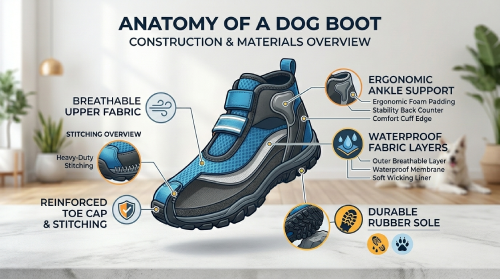
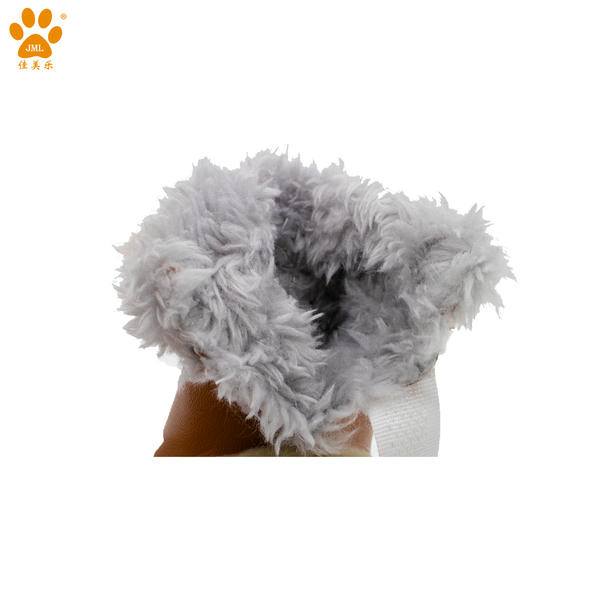
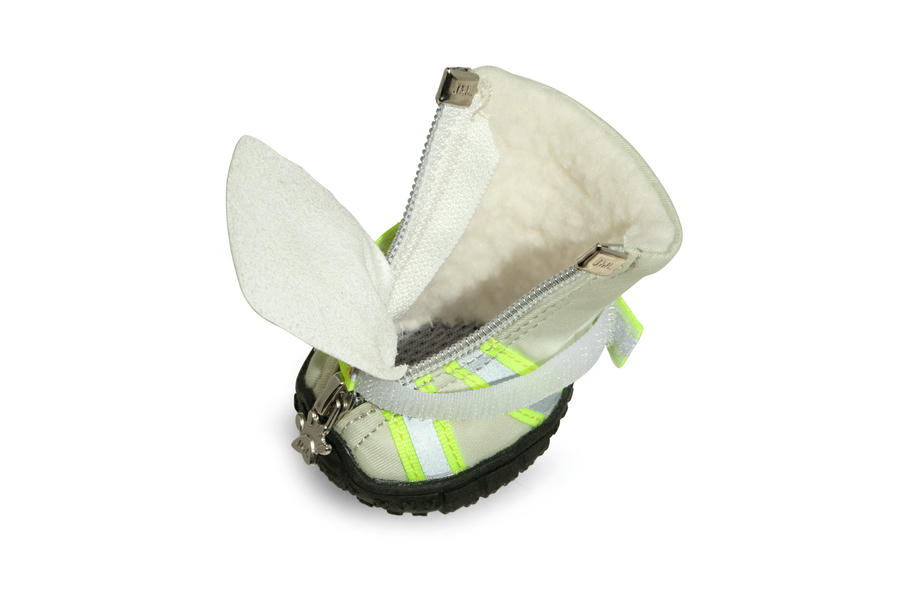
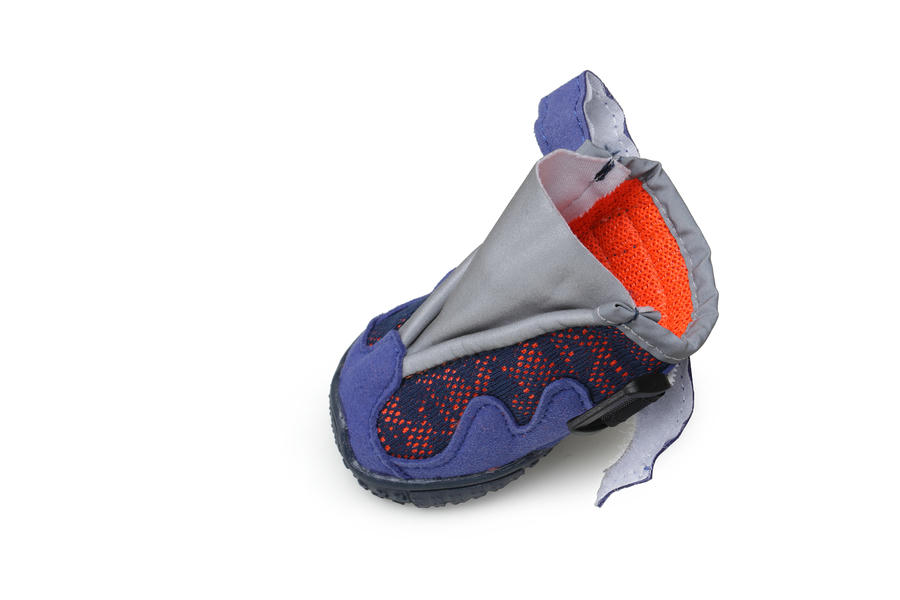
At a foundational level, the distinction lies in material density, structural rigidity, and intended function. Rubber sole dog shoes are built with dense, vulcanized rubber or Thermoplastic Rubber (TPR). They are designed to act as a robust shield, absorbing impact and blocking out harsh external elements. Conversely, soft sole dog shoes utilize highly flexible materials like thin silicone, lightweight EVA foam, or tightly woven, abrasion-resistant fabrics. Their primary goal is not heavy-duty protection, but rather providing a subtle layer of traction and warmth while preserving the dog’s natural, barefoot sensory experience.
How Does Traction and Grip Compare Between Rubber and Soft Soles?
When evaluating a dog shoe sole comparison, traction is the most critical performance metric. High-quality rubber soles are engineered with deep, multi-directional lug patterns and a calibrated Shore A hardness (typically 60A-70A). This provides exceptional grip on wet grass, icy sidewalks, and loose gravel, actively preventing slips and joint injuries.
Soft soles, particularly fabric or thin silicone variants, offer a different kind of traction. They excel on smooth, indoor surfaces like hardwood or tile floors, where a dog’s natural paw pads might slip. However, when placed on rough, outdoor terrain, soft soles lack the depth and material density to bite into the ground, making them dangerously slippery on wet or uneven surfaces.
Which Sole Type Offers Superior Comfort and Biomechanical Freedom for Dogs?
Dogs are digitigrade, meaning they walk on their toes, which creates a specific, dynamic flex point in the paw. A rigid or poorly designed sole will fight this natural gait, causing the dog to walk awkwardly or reject the footwear entirely.
Soft sole dog shoes inherently win in the category of biomechanical freedom. Because the materials are highly pliable, they bend and splay exactly as the dog’s natural paw would, offering a "barely-there" feel that most dogs accept immediately. Rubber soles can also be highly comfortable, but only if the manufacturer invests in ergonomic shoe-last design and strategic flex grooves. A well-engineered rubber sole will mimic the paw’s natural bending point, but a cheap, flat rubber slab will feel like walking in concrete blocks.
How Do Durability and Lifespan Differ in Real-World Conditions?
If we are discussing the best dog shoe sole material for longevity, rubber is the undisputed champion. Vulcanized rubber and high-grade TPR are specifically formulated to resist abrasion, punctures from sharp rocks or thorns, and the degrading effects of UV exposure. A well-made rubber boot can last for multiple seasons of heavy hiking.
Soft soles, by contrast, are inherently sacrificial. Fabric soles will quickly fray and tear when dragged across asphalt or concrete. Thin silicone or EVA soles will wear smooth and lose their structural integrity after minimal exposure to rough outdoor terrain. Their lifespan is intentionally shorter, optimized for low-impact, controlled environments rather than rugged survival.
What Are the Ideal Use Cases and Scenarios for Each Dog Shoe Sole Type?
Understanding the end-user scenario is vital for product positioning.
- Rubber Soles are essential for: Winter snow boots, heavy-duty hiking and trail running footwear, protective boots for hot summer pavement, and recovery footwear for dogs with severe paw injuries who need maximum environmental blocking.
- Soft Soles are ideal for: Indoor traction socks for senior dogs on slippery floors, lightweight summer booties for brief neighborhood walks, post-surgery protective covers, and dogs with extreme sensory sensitivities who refuse to wear traditional boots.
How Do Manufacturing Processes Differ for Rubber vs. Soft Sole Dog Shoes?
From a B2B manufacturing perspective, the production workflows for these dog shoe sole types are vastly different. Rubber soles typically require injection molding or compression molding. This involves creating precise, expensive steel molds, heating the raw rubber/TPR compound, and injecting or pressing it under high pressure to fuse with the upper.
Soft sole manufacturing is generally less capital-intensive at the tooling stage. Fabric or thin silicone soles are often die-cut from large rolls of material and then stitched or heat-sealed to the upper. While the machinery is simpler, the assembly of soft sole shoes can be more labor-intensive, requiring precise stitching and finishing that is harder to fully automate.
What Is the Real Cost Structure and B2B Pricing Impact of Each Sole Type?
Understanding the cost dynamics is crucial for strategic procurement. Rubber sole production has a high initial barrier to entry due to the cost of steel molds and machine setup. However, once the mold is created, the per-unit cost drops significantly at scale due to rapid, automated production cycles.
Soft sole production has a much lower upfront tooling cost, making it attractive for small-batch runs or testing new markets with low Minimum Order Quantities (MOQs). However, the per-unit cost remains relatively static or even increases at scale due to the reliance on manual labor for cutting and stitching. When evaluating rubber vs fabric dog shoes, buyers must calculate the Total Cost of Ownership (TCO), factoring in not just the manufacturing quote, but also the expected return rate. A cheap soft sole that fails outdoors will cost more in returns than a premium rubber sole that performs flawlessly.
How Do Environmental Factors Like Temperature Affect These Soles?
Material science plays a massive role in seasonal performance. Low-grade rubber can become stiff and brittle in freezing temperatures, leading to cracks, or it can become overly soft and sticky on scorching hot pavement. Premium rubber compounds are specifically formulated with anti-freeze and heat-resistant additives to maintain consistent performance across extremes.
Soft soles, particularly fabric, offer excellent breathability in the heat but provide virtually zero thermal insulation or protection against freezing snow and corrosive road salts. They are strictly fair-weather or indoor solutions.
How Can B2B Buyers Rigorously Test and Validate Sole Quality Before Mass Production?
Never approve a manufacturing sample based on aesthetics alone. You must stress-test the sole to verify the factory’s capabilities. This is why our quality control specialists at Guangzhou Petsun rigorously apply these exact protocols, and we recommend B2B buyers demand the same:
- DIN Abrasion Testing: Simulates miles of friction on rough surfaces to measure the wear rate of the outsole.
- Dynamic Flex Cracking Test: Bends the sole 50,000+ times to ensure the material does not develop micro-cracks or fracture at the natural flex point.
- Slip Resistance Testing: Measures the coefficient of friction on both wet and dry surfaces to validate safety claims.
- Peel Strength Test: Measures the exact force required to separate the sole from the upper, ensuring the bonding or stitching process meets strict thresholds.
Rubber Sole vs Soft Sole Dog Shoes Comprehensive Comparison
To help you visualize the trade-offs and make strategic, data-driven decisions for your product line, here is a detailed comparison of these two foundational dog shoe sole types:
| Evaluation Metric | Rubber Sole Dog Shoes | Soft Sole Dog Shoes |
|---|---|---|
| Primary Material | Vulcanized Natural Rubber, TPR, or high-density synthetic rubber. | Thin Silicone, EVA Foam, tightly woven fabric, or suede. |
| Traction & Grip | Excellent outdoors (deep lugs, high friction on wet/icy terrain). | Excellent indoors (prevents slipping on hardwood/tile), poor outdoors. |
| Durability & Lifespan | High (Resists abrasion, punctures, and UV degradation for seasons). | Low to Moderate (Sacrificial; wears quickly on asphalt or rough terrain). |
| Biomechanical Comfort | Moderate to High (Requires ergonomic flex grooves to mimic natural paw movement). | Excellent (Highly pliable, allows natural paw splay and sensory feedback). |
| Weather Protection | Superior (Blocks snow, ice, salt, and hot pavement effectively). | Minimal (Offers basic warmth or minor pavement protection, not waterproof). |
| Manufacturing Process | Injection molding or compression molding (highly automated). | Die-cutting and stitching or heat-sealing (more manual labor). |
| Upfront Tooling Cost | High (Requires expensive, custom steel molds). | Low (Uses standard dies or simple cutting patterns). |
| Per-Unit Cost at Scale | Lower (Automation drives down marginal cost at high volumes). | Higher (Labor-intensive assembly keeps per-unit cost relatively static). |
| Ideal MOQ Strategy | Best for medium to large production runs to amortize mold costs. | Ideal for low MOQs, market testing, or niche, low-volume product lines. |
| Best Use Cases | Winter boots, hiking gear, hot pavement protection, rugged outdoor use. | Indoor traction socks, senior dog support, lightweight summer casual wear. |
| Return Rate Risk | Low (If engineered correctly, highly reliable in intended environments). | High (If marketed for outdoor use, leading to rapid failure and complaints). |
Key Takeaways for B2B Buyers:
- Do Not Cross the Streams: The biggest mistake brands make is marketing a soft sole shoe for rugged outdoor use, or a heavy rubber boot for sensitive indoor use. Align the sole technology strictly with the product’s intended environment.
- The Hybrid Compromise: For brands seeking a middle ground, consider a "soft-flex" rubber compound. This utilizes the molding process and durability of rubber, but formulates the material to be significantly softer and more pliable, bridging the gap between rugged protection and natural comfort.
- Calculate True Profitability: A lower per-unit quote for a soft sole shoe might look attractive, but if your target audience takes it hiking and it shreds in a week, your brand will pay the price in returns and reputational damage. Invest in the right tooling for the right job.
How Does a Strategic Partner Like Guangzhou Petsun Guide Brands in Selecting the Optimal Sole Material?
Navigating this complex matrix of dog shoe sole types is exactly why partnering with an experienced manufacturer like Guangzhou Petsun provides immense, tangible value to global buyers. We don’t just blindly follow a tech pack or push the cheapest available components. Instead, we actively consult with our clients to engineer the optimal sole solution for their specific target market, performance requirements, and price architecture.
Whether your brand’s vision requires the rugged, all-terrain integrity of a custom-molded rubber outsole or the lightweight, natural feel of a premium soft sole, the engineering team at Guangzhou Petsun ensures the execution is flawless, scalable, and rigorously tested. You can explore how we apply these advanced material sciences and construction techniques across our diverse, high-performance catalog at www.petshoe.com. By making informed, science-backed decisions, you are not just manufacturing a product; you are building a legacy of trust and reliability with your end consumers.
Custom Dog Sandals Private Label Options
What Materials Are Best for Dog Shoes
Related Article