What Makes a Durable Dog Shoe
What Makes a Durable Dog Shoe?
If you’ve ever watched a beloved family dog shred through a cheap pair of boots on the very first hike, you know the frustration all too well. For pet owners, it means a ruined outdoor adventure, a frustrated pup, and wasted money. For pet brands, wholesalers, and distributors, the stakes are exponentially higher: it translates to costly returns, damaging one-star reviews, and the rapid erosion of hard-earned brand reputation.
At petshoe.com, the dedicated team at Guangzhou PetSun sees this dynamic every day. We believe that true resilience in pet footwear isn’t magic, and it certainly isn’t an accident. It is the direct result of intentional engineering, premium sourcing, and rigorous manufacturing standards. If you are looking to build, source, or scale a product line that truly stands the test of time, understanding the anatomy of resilience is your critical first step. Let’s pull back the curtain and dive deep into the mechanics of what actually makes a difference, from the factory floor to the forest trail.
What Exactly Defines True Dog Shoe Durability Beyond Marketing Hype?
When we talk about dog shoe durability, we aren’t just describing a product that technically survives a single walk around the block. True durability means the footwear retains its structural integrity, protective function, and ergonomic comfort over months or years of repeated, dynamic use. From a consumer perspective, it is the ability of the shoe to withstand abrasive granite, sharp thorns, and freezing ice without falling apart, ensuring the dog’s paws remain safe and pain-free. From a B2B perspective, this translates directly to customer trust, drastically lower return rates, and a higher lifetime value for every end consumer.
Why Do So Many Standard Dog Boots Fail Under Real-World Stress?
To build something better, we must first understand exactly why lesser products fail. Most budget-friendly boots cut corners in hidden, critical areas. The hook-and-loop (Velcro) straps lose their tensile strength after a dozen uses, collecting fur and debris until they are completely useless. The adhesives holding the sole to the upper material degrade rapidly when exposed to moisture, mud, or extreme temperature shifts, leading to catastrophic delamination. Furthermore, the fabric often tears at high-stress zones, like the dewclaw area, due to poor seam reinforcement. When manufacturers prioritize rock-bottom production costs over sound engineering, the product is practically designed to fail.
How Does Advanced Material Selection Dictate the Lifespan of Durable Dog Shoes?
Material selection is not just a line item on a manufacturing spec sheet; it is the absolute DNA of a product’s lifespan. When a dog is sprinting down a rocky trail or navigating icy city streets, the footwear is subjected to a unique combination of shear forces, moisture, temperature extremes, and abrasive friction. Choosing the right materials is the only way to ensure the shoe survives this environment without compromising the dog’s comfort.
Here is a deep, professional breakdown of how advanced material selection dictates longevity, viewed through both a manufacturing and end-user lens:
1. The Upper: Engineering Tear and Puncture Resistance
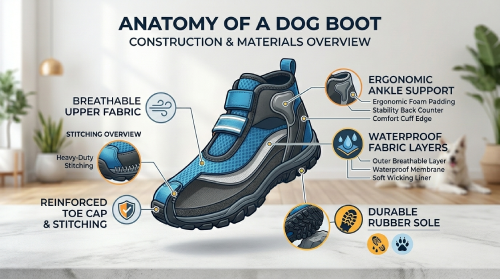
The upper is the first line of defense. Cheap boots use low-denier polyester or thin nylon, which shred upon contact with sharp rocks, thorns, or even a dog’s own rear claws during scratching.
- The Professional Standard: High-end manufacturers utilize 600D to 1000D Ballistic Nylon or Cordura®. These fabrics are woven with thick, high-tenacity yarns that offer exceptional tensile strength.
- The Ripstop Advantage: Many premium uppers incorporate a "ripstop" grid weave. If a sharp object does manage to puncture the fabric, this specialized weave physically stops the tear from propagating, preventing a minor scratch from turning into a catastrophic failure.
- Surface Treatment: Advanced uppers are also treated with eco-friendly DWR (Durable Water Repellent) coatings. This prevents the fabric from absorbing water and mud, which adds weight, causes chafing, and accelerates fabric degradation over time.
2. The Lining: Managing Internal Friction and Moisture
Durability isn’t just about external threats; internal wear is a silent killer of pet footwear. A dog’s paw naturally sweats, and the constant micro-movements of the paw inside the boot create significant internal friction.
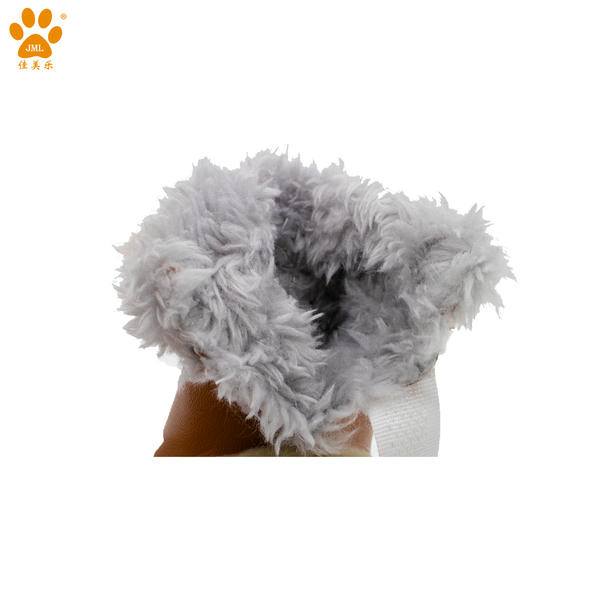
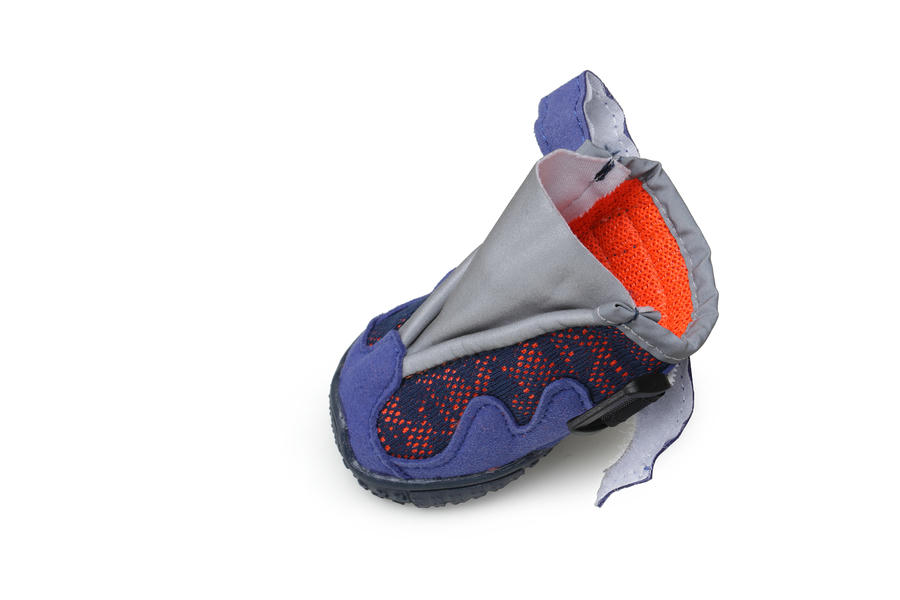
- The Professional Standard: Premium boots feature anti-microbial, moisture-wicking mesh linings (often blended with soft neoprene at the collar).
- Why It Matters: Cheap linings absorb sweat, leading to odor, bacterial growth, and fabric breakdown (pilling or tearing) from the inside out. A high-quality wicking lining pulls moisture away from the paw, keeping the internal environment dry. This not only extends the structural life of the boot but also prevents the painful blisters and hot spots that cause dogs to reject wearing boots in the first place.
3. The Outsole: The Science of Rubber Compounds and Hardness
The outsole takes 100% of the ground impact. The difference between a sole that lasts a season and one that lasts for years lies in the chemistry of the rubber compound and its physical design.
- Shore A Hardness Calibration: Professional manufacturers carefully calibrate the rubber’s Shore A hardness, typically targeting a sweet spot between 60A and 70A. If the rubber is too soft (below 60A), it will provide great grip but wear down rapidly on abrasive surfaces like asphalt. If it is too hard (above 75A), it will resist wear but become rigid, leading to poor traction, an unnatural gait, and eventual cracking in cold temperatures.
- Hydrolysis Resistance: High-quality rubber and TPU (Thermoplastic Polyurethane) compounds are formulated to resist hydrolysis. This prevents the sole from chemically breaking down, crumbling, or losing its bond when repeatedly exposed to water, snow, and road salts over time.
- Lug Architecture: Deep, multi-directional lugs aren’t just for traction; they are designed to be "self-cleaning." As the dog walks, the flex of the paw naturally sheds mud and snow from the treads, preventing heavy buildup that can stretch and warp the boot’s structure.
4. Fasteners and Hardware: The Often-Overlooked Weak Link
A boot is only as durable as its weakest component, and for dog shoes, that is frequently the closure system. Standard, low-grade Velcro quickly loses its grip after collecting just a little bit of dog hair and lint.
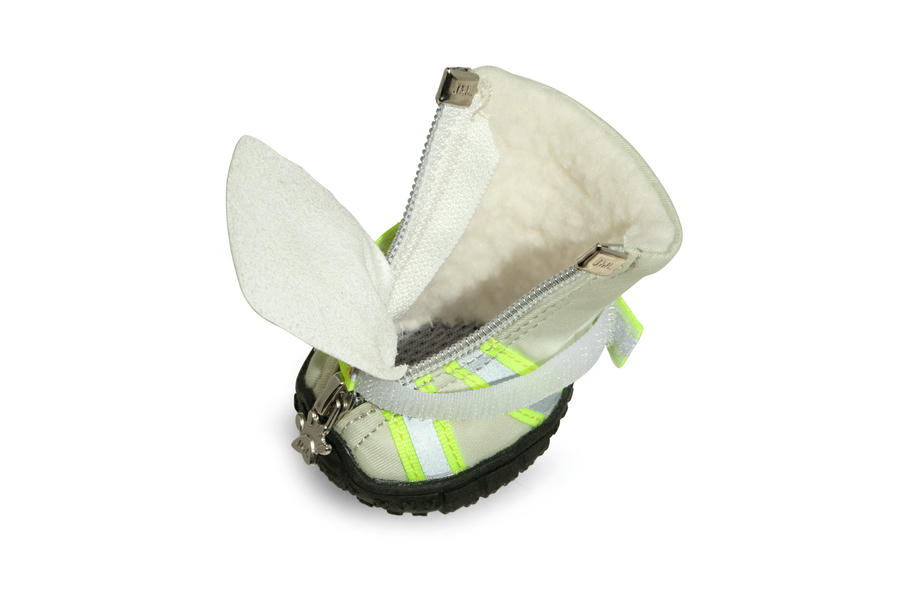
- The Professional Standard: Durable dog shoes utilize industrial-grade, heavy-duty hook-and-loop fasteners. These feature a higher hook density and stiffer hooks that can penetrate through fur and debris to maintain a strong shear and peel strength over thousands of open/close cycles.
- Hardware: If the design incorporates D-rings, buckles, or eyelets, they must be made from rust-resistant, coated metals (like zinc-alloy or anodized aluminum) to withstand constant exposure to moisture without corroding or snapping under tension.
The Dual Impact: Why This Matters
- For the B2B Buyer (Brand/Wholesaler): Investing in advanced materials directly protects your bottom line. It drastically reduces warranty claims, return rates, and negative reviews. More importantly, it builds fierce brand loyalty. When a customer’s dog comfortably wears your boots for two full winters, that customer will never buy from a cheaper competitor again.
- For the End Consumer (The Dog and Owner): Advanced materials mean the dog can focus on the joy of the hike, not the discomfort of a failing, rubbing, or soaked boot. It provides peace of mind to the owner, knowing their investment is actively protecting their pet’s paws from burns, cuts, and ice, hike after hike.
In short, advanced material selection is the bridge between a disposable commodity and a premium, long-lasting tool for canine adventure.
What Role Do Precision Stitching Craftsmanship and Reinforced Stress Points Play in Longevity?
Even the most advanced fabrics will fail catastrophically if they are assembled poorly. Sturdy dog shoes rely on meticulous stitching craftsmanship. Professional manufacturing demands a high SPI (Stitches Per Inch) count and the use of lockstitch rather than weaker chainstitch methods at critical junctions. Look for double or triple stitching, along with bartack reinforcement, at high-stress zones—particularly around the toe box, the ankle collar, and strap anchors. For the consumer, this means the boot stays securely on the paw during vigorous play. For the B2B buyer, it ensures the product meets strict, verifiable manufacturing specifications that prevent batch failures.
Why Is Advanced Bonding Technology the Invisible Backbone of Dog Boot Quality?
Consumers rarely see it, but bonding technology is what holds a shoe together under extreme duress. Amateur manufacturers simply glue the sole to the upper, a method prone to rapid failure. In contrast, professional dog boot quality relies on advanced cold cement processes or direct injection molding. This involves surface roughing (buffing) of the materials, applying specialized primers, heat-activating the adhesive, and using high-pressure pressing machines to create a molecular-level bond. For premium lines, vulcanization fuses the sole and upper seamlessly. This completely eliminates the risk of water intrusion and sole peeling, protecting the consumer's investment and safeguarding the brand's reputation for reliability.
How Does Ergonomic Structural Design Prevent Premature Wear and Tear?
Durability isn’t just about the toughness of the materials; it’s fundamentally about how the shoe interacts with the dog’s unique biomechanics. Dogs are digitigrade, meaning they walk on their toes, which creates a specific, dynamic flex point in the paw. If the structural design of the shoe—specifically the 3D "shoe-last" (the mold around which the shoe is built)—does not match this natural flex point, the material will fatigue, crease, and crack at the wrong angle. A well-designed structural system utilizes multi-vector, adjustable straps that distribute pressure evenly across the leg. This prevents the boot from shifting or rubbing, ensuring the consumer's dog is comfortable, while giving the B2B brand a genuinely innovative, ergonomic product to market.
What Rigorous Durability Testing Methods Should B2B Buyers Demand Before Mass Production?
You shouldn’t have to guess if a product is tough; it should be empirically proven. To accurately evaluate product quality standards, B2B buyers must demand that their manufacturing partners conduct specific, standardized durability tests:
- Dynamic Flexing Test (e.g., SATRA TM92): Bending the sole 50,000+ times to ensure the rubber compound does not develop micro-cracks or fracture.
- Abrasion Testing (e.g., DIN or Martindale): Simulating miles of friction on rough surfaces to measure the exact wear rate of the outsole and upper fabric.
- Peel Strength Test: Measuring the exact force (in Newtons) required to separate the sole from the upper, ensuring the bonding technology meets strict thresholds.
- Hook-and-Loop Fatigue Test: Opening and closing the fasteners 1,000+ times to verify that the holding strength remains above 80% of its original capacity, even after collecting debris.
How Do Extreme Seasonal Elements Degrade Lower-Quality Long-Lasting Dog Boots?
A truly versatile product must be engineered to adapt to its environment. Winter boots face unique chemical and physical threats, such as corrosive road salts and freezing temperatures that can cause cheap plastics and low-grade rubbers to become brittle and micro-crack. Summer shoes, on the other hand, must resist the degrading, melting effect of hot pavement and remain highly breathable to prevent overheating. Designing genuinely long lasting dog boots means selecting materials and applying specialized treatments (like water-repellent DWR coatings or UV-resistant threads) that are specifically tailored to neutralize these seasonal hazards, ensuring year-round reliability for the end user.
How Can Brands Guarantee Consistent Dog Boot Quality Across Massive Production Runs?
For B2B buyers, a flawless "golden sample" means absolutely nothing if the 10,000th unit in the production run is flawed. Maintaining high quality at scale requires a manufacturing partner like Guangzhou PetSun, with deeply embedded, rigorous Quality Control (QC) protocols. This means inspecting raw materials upon arrival (IQC), conducting in-process quality control (IPQC) during assembly, and performing strict Final Random Inspections (FRI) based on international AQL (Acceptable Quality Limit) standards, such as AQL 2.5 for major defects. Consistent tension in stitching, uniform adhesive application, and strict tolerance levels for sizing are what separate amateur workshops from professional, reliable manufacturing powerhouses.
Where Can Forward-Thinking Pet Brands Source Truly Durable Dog Shoes for Their Catalogs?
If you are a brand owner, wholesaler, or distributor looking to elevate your catalog and eliminate the headache of product returns, you need a partner who understands that durability is a precise science, not just a marketing buzzword. This is where partnering with an experienced, specialized manufacturer like Guangzhou PetSun becomes your greatest competitive advantage. By visiting petshoe.com, you can explore a comprehensive, meticulously engineered range of footwear solutions designed from the ground up to meet the highest global standards of resilience, performance, and aesthetic appeal.
About Guangzhou PetSun (petshoe.com)
More Than Pet Shoes. Built on 26+ Years of Expertise.
Since 2000, Guangzhou PetSun has specialized in developing and manufacturing premium pet footwear for brands, wholesalers, and distributors worldwide. Operating through petshoe.com, we are not just a factory; we are your strategic, end-to-end partner in product innovation and supply chain reliability.
From initial concept and ergonomic shoe-last design to advanced material sourcing, precision stitching, and strict, multi-stage quality control, Guangzhou PetSun brings together the deep expertise and manufacturing flexibility needed to create reliable, high-performing pet footwear for diverse markets, breeds, and applications. Whether you need a rugged winter snow boot, a breathable summer hiking shoe, or a fully customized private-label collection, our dedicated team is ready to help you build a product line that your customers will trust for years to come.
Ready to elevate your pet footwear collection and build a brand known for uncompromising quality? Explore our capabilities and start your custom project with us today at petshoe.com.
Stitching vs Bonded Construction for Dog Shoes
Related Article